The Evolution of ALF MMA and Its Reputation for Unpredictability
ALF MMA, a Russian reality television program, has carved out a distinct niche within the mixed martial arts community for producing compelling yet often chaotic content. The show has featured several high-profile combat sports personalities as coaches, including notable fighters like Khamzat Chimaev, Nate Diaz, and Petr Yan. These established names bring star power and credibility to the program, yet they also contribute to an environment where competitive tensions frequently boil over into dramatic confrontations both inside and outside the training facility.
The format pairs legendary coaches with aspiring fighters, creating a crucible where individual ambitions clash with team dynamics. This setup has consistently delivered entertainment value through genuine conflict and unpredictable moments. However, the line between compelling television and genuinely dangerous situations proved razor-thin during recent filming.
An Unlikely Partnership in the MMA World
When Daniel Cormier and Jon Jones accepted coaching positions on the same season of ALF MMA, observers noted the irony of two historically fierce rivals collaborating on a shared project. Throughout their careers, these two fighters maintained a contentious relationship marked by fierce competition and public disagreements. Despite their personal differences, both men recognized the professional opportunity and committed to the show's demanding schedule.
The dynamic between Cormier and Jones on set reflected their complex history. They managed to maintain professional boundaries while working toward common production goals, demonstrating that even the most combative athletes can find common ground when circumstances demand it. This partnership would later prove crucial when the situation spiraled beyond anyone's control.
How Entertainment Descended Into Genuine Danger
During filming of the third episode, two fighters with pre-existing personal animosity came face-to-face, immediately igniting a physical confrontation. This initial clash triggered a cascading series of additional altercations as various individuals became drawn into the escalating violence. What began as an expected moment of competitive intensity rapidly transformed into something far more alarming.
In the chaos that ensued, a participant named Sergei found himself on the receiving end of a blindside punch while attempting to separate the combatants. The punch left him with a bleeding wound beneath his chin, intensifying his emotional state and clouding his judgment about appropriate responses to the situation.
The Critical Moment That Shifted Everything
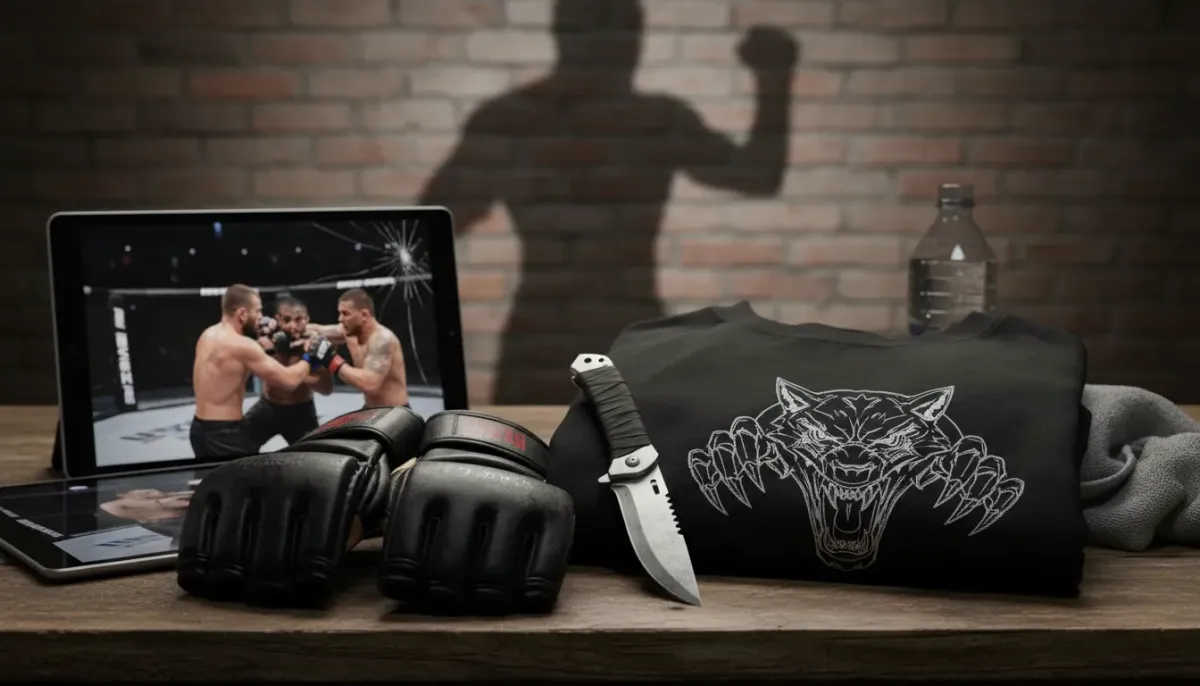
In what became the defining moment of the incident, the injured Sergei ran toward the kitchen with the apparent intention of retrieving a knife. His motivations seemed rooted in self-defense concerns, yet the action itself represented a dramatic escalation from typical on-set conflicts into potentially lethal territory. The presence of a weapon fundamentally altered the nature of what had been happening on camera.
Multiple people on set recognized the danger instantaneously. The show's female translator acted decisively, managing to physically prevent the knife from being used as a weapon. This intervention likely prevented serious injury or worse outcomes. Both Cormier and Jones, despite their usual disagreements, immediately recognized that the situation had crossed into genuinely unsafe territory that demanded serious reconsideration of their continued participation.
Cormier's Assessment and Near-Departure Decision
Cormier processed the incident with growing alarm, ultimately concluding that the environment had become too unpredictable and dangerous to justify his continued presence. He spoke candidly about his concerns, noting that while he had witnessed previous physical altercations during filming, this incident represented something categorically different. The introduction of a weapon transformed the experience from managed entertainment risk into authentic life-threatening danger.
The veteran coach expressed genuine worry about potential severe injuries to himself, his assistants, and the fighters under his supervision. He contemplated offering to return his compensation and departing the country entirely rather than expose himself and his team to further risks. His concerns centered on fundamental safety principles rather than squeamishness about combat sports, which he had devoted his career to.
Jones Assumes a Stabilizing Role
As tensions remained elevated and Cormier seriously contemplated leaving, Jon Jones stepped into an unexpected role as peacemaker and voice of reason. Jones addressed the entire cast and crew, acknowledging the gravity of what had transpired and establishing clear boundaries for acceptable behavior moving forward. His message emphasized that neither entertainment value nor competitive ambitions justified creating genuinely life-threatening scenarios.
Jones articulated a compelling argument about shared responsibility and mutual consequences. He emphasized that Cormier, as a father and established professional figure in America, bore legitimate responsibility for ensuring his team's safety. More importantly, Jones made clear that if dangerous incidents continued, he would not remain either. His ultimatum carried weight precisely because of his stature in combat sports and his obvious reluctance to use such language lightly.
Finding Common Ground Through Safety Concerns
Following Jones's intervention, the various parties involved gradually de-escalated the situation and reached mutual understanding about behavioral expectations. Both coaches remained with the production, but only after receiving credible assurances that additional safety protocols would be implemented and enforced. The incident served as a watershed moment that forced producers and participants alike to reassess what constituted acceptable risk within the entertainment context.
This situation highlighted the ongoing tension inherent in combat sports entertainment. While audiences and networks value dramatic moments and authentic conflict, these must ultimately be constrained by reasonable safety guardrails. The fact that even two rivals like Cormier and Jones could unite around safety concerns demonstrates that such principles transcend individual competition and ego within the MMA community.