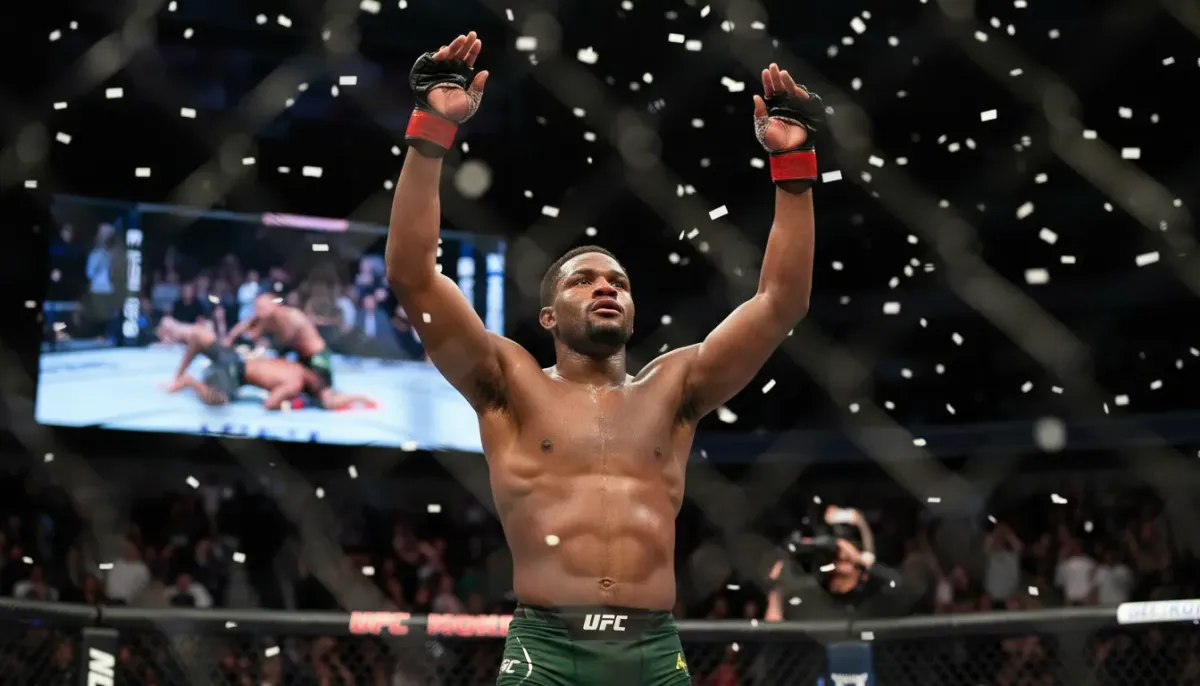
Aljamain Sterling delivered a masterclass performance against Youssef Zalal at UFC Vegas 116, securing a decisive victory that reinforces his position among the elite featherweight contenders. However, the veteran fighter has revealed that had the outcome been different, this night might have marked the end of his competitive career.
Sterling's Commanding Performance Against Zalal
Sterling took control of the main event from the opening bell, demonstrating the experience and skill that have defined his championship-caliber career. Throughout the fifteen-minute contest, he maintained relentless pressure and positional dominance, keeping Zalal under constant threat.
The fight featured several moments where Sterling came remarkably close to securing a finish, showcasing his ability to threaten submissions and ground strikes despite competing in the lighter featherweight division. These near-finishes underscored Sterling's technical superiority and tactical awareness throughout the bout.
The judges' scorecards reflected Sterling's control, as he earned a lopsided unanimous decision that leaves little debate about who dominated the contest. This victory improved his featherweight record to an impressive 3-1 since making the weight class transition, positioning him as a legitimate contender in the title picture.
The Retirement Question: How Close Sterling Came to Walking Away
In a candid post-fight discussion, Sterling acknowledged that retirement contemplation was on his mind heading into this crucial matchup. Had he suffered a convincing loss to Zalal, the fighter revealed he likely would have hung up his gloves for good.
Sterling's perspective reflects a deeper philosophy about his place in professional fighting. He expressed that competing meaningfully remains paramount—simply collecting paychecks while getting outmatched by younger athletes holds no appeal for him. His financial security means he doesn't need to accept uncompetitive fights merely for income.
The fighter drew a parallel to Dustin Poirier's 2024 matchup against Benoit Saint Denis, where an established veteran faced a rising prospect. Sterling viewed his bout with Zalal through a similar lens: either he would prove he belonged among the division's elite, or the time had passed him by. He emphasized that staying in the sport requires the ability to compete at the highest level, not just the willingness to fight.
Sterling's Path to Gold: Navigating the Title Picture
Sterling's featherweight campaign has been marked by consistent progression toward championship opportunities. His vocal advocacy for a title shot demonstrates his confidence in his current abilities and his readiness to challenge for UFC gold once again.
The title picture at featherweight presents a compelling dynamic. Movsar Evloev currently stands as the frontrunner for a shot at reigning champion Alexander Volkanovski. Evloev's credentials are undeniable: he maintains an undefeated UFC record with an impressive ten-fight winning streak. Notably, Evloev defeated Sterling via unanimous decision in their previous encounter, giving him a legitimate claim to the next title opportunity.
Sterling acknowledges the strength of Evloev's position while simultaneously refusing to concede his own standing. He credits his rival with the head-to-head victory but views that single loss differently than the broader trajectory of his recent performances. The dominant win over Zalal has only strengthened Sterling's conviction that he deserves serious consideration for the next title shot.
Sterling's Uncompromising Stance on Title Opportunities
When asked directly whether he would defer to Evloev if offered a title shot instead, Sterling made his position crystal clear: he would not hesitate to accept a championship opportunity regardless of his rival's standing or recent history.
This response reveals the mentality of a fighter who has already achieved championship glory and understands the fleeting nature of prime competitive years. Sterling views each remaining opportunity as potentially his last chance to capture gold once more, and he has no interest in stepping aside based on deference or seniority arguments.
Sterling frames a potential matchup between himself and current champion Volkanovski as a compelling narrative—two established veterans competing for the sport's highest honors. He argues the fight simply makes sense from an entertainment and competitive standpoint, combining experience, skill, and the unpredictable drama that elite-level championship fights provide.
The Mentality Behind Sterling's Featherweight Transition
Sterling's continued pursuit of excellence at featherweight stems from a refusal to become a stepping stone for younger fighters. He entered the division with clear intentions: compete only if he could do so at an elite level while facing top-tier opposition.
His calculation is straightforward: financial security removes the desperation that often keeps aging fighters in the sport past their prime. Sterling possesses the resources to retire comfortably, which means his remaining competitive years are entirely driven by desire rather than necessity. He competes because he still believes he belongs among the division's best, not because he needs the income.
This principled approach has defined his featherweight campaign, where he has consistently sought quality opposition and demonstrated the willingness to step away if circumstances suggested his competitive edge had diminished. The Vegas 116 victory provided the validation he sought, proving he could still perform at championship level against legitimate threats within the division.