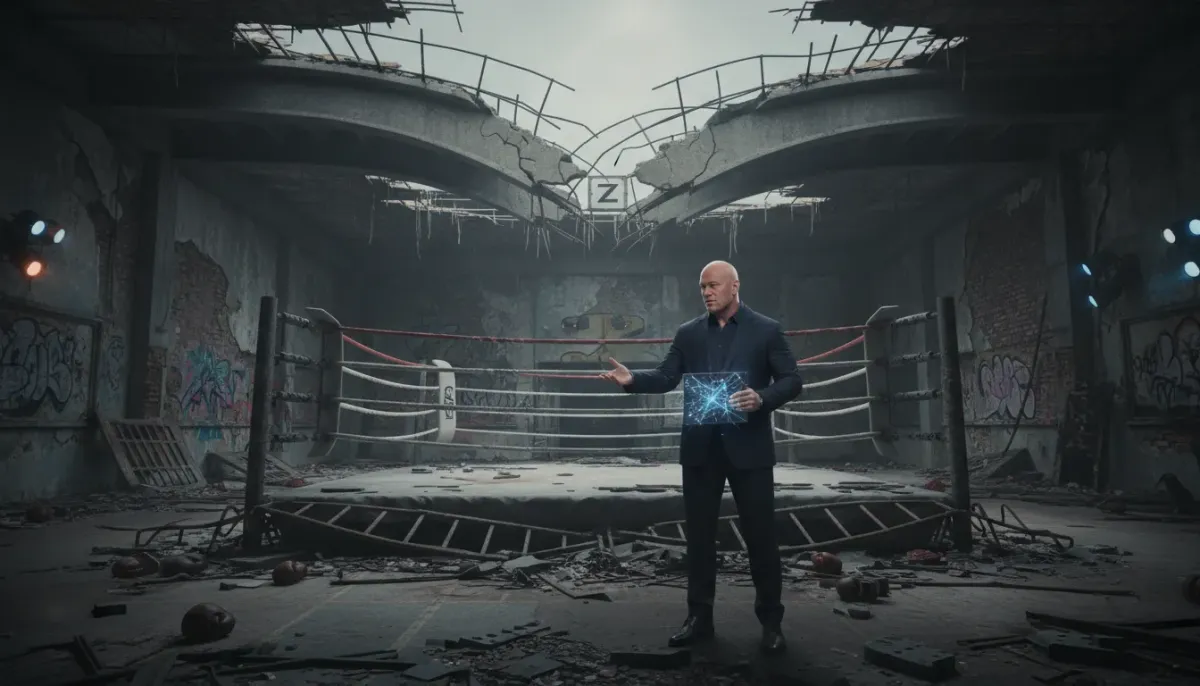
The launch of Zuffa Boxing in January has already prompted significant discussions about the structural health of professional boxing. Following the promotion's fourth event, UFC CEO Dana White offered candid observations about the competitive landscape, industry practices, and the challenges facing established boxing entities. His commentary reflects broader tensions emerging as new promotional models enter a traditionally fragmented market.
The Championship Belt Dispute That Exposed Industry Tensions
The IBF's decision to strip Jai Opetaia of his cruiserweight title shortly before his Zuffa Boxing bout against Brandon Glanton became a focal point for White's broader critique. The sanctioning body issued a statement declaring the contest an "unsanctioned event" and warned that Opetaia would lose his belt if he proceeded with the matchup.
White expressed frustration with the timing and approach of this decision. According to his account, the IBF belt was prominently displayed throughout the promotional process, featured at press conferences, and held during face-off ceremonies. Opetaia had publicly discussed defending the title during official promotional activities. Despite this visibility and apparent sanctioning body awareness, the IBF announcement came late Friday evening, just days before the scheduled event.
White further alleged that an IBF official attended the Las Vegas event, collected a per diem payment from the promotion, and departed the same day. This detail served as White's example of what he views as the problematic nature of boxing's sanctioning infrastructure—where officials participate in the promotional ecosystem while simultaneously working to obstruct competition.
Comparative Activity Levels in Professional Boxing
One of White's key arguments centered on promotional output and market presence. Zuffa Boxing had completed four events by the time of the Opetaia card, while White noted that competing promoters demonstrated markedly different activity levels throughout the same period.
The comparison highlighted several contrasts in operational capacity. Bob Arum, with decades of industry experience, had completed only one promotional event. Oscar De La Hoya similarly had minimal event activity. Most notably, White referenced PBC (Premier Boxing Champions) as having no recent fights in their promotional calendar. These discrepancies became central to White's assessment of competitive viability across the boxing promotion sector.
White also noted that some established promoters lacked current television broadcast agreements. He emphasized that television distribution represents a critical component of modern sports promotion, and the absence of deals complicated any potential partnership discussions. This observation extended to questions about the financial sustainability of current promotional models in an increasingly competitive environment.
Market Positioning and Competitive Confidence
White's assessment reflected considerable confidence in Zuffa Boxing's market position relative to established competitors. He suggested that accumulating the sport's top talent represented an achievable objective given the apparent limitations of existing promotional infrastructure.
When asked about potential collaborations with other major promoters, White expressed skepticism about the practical viability of such partnerships. He questioned what Zuffa could accomplish by working with entities that lacked television distribution, had minimal recent promotional activity, or operated primarily in management rather than event promotion.
White indicated that Zuffa's growth trajectory might exceed initial projections, potentially resulting in significantly more events than originally planned for the year. This expansion, he suggested, would continue attracting the sport's highest-level talent, further consolidating competitive advantages already apparent after just four events.
Shifting Industry Relationships and Competitive Friction
The launch of Zuffa Boxing fundamentally altered several established business relationships within combat sports promotion. White specifically referenced his relationship with Eddie Hearn, transitioning from established partners to competitors operating in the same market space.
Hearn's recent pivot toward management rather than active promotion represented an additional factor in White's competitive analysis. White noted this shift as emblematic of broader adaptation challenges facing established entities attempting to respond to new market entrants with different organizational models and capital structures.
The commentary revealed emerging tensions between Zuffa Boxing and several industry figures who previously operated in relatively distinct spaces. The convergence of UFC leadership and boxing promotion created new competitive dynamics where previously separate ecosystems had maintained distinct operational boundaries.
Implications for Boxing's Structural Evolution
White's observations point toward fundamental questions about boxing's organizational efficiency and market viability. The rapid growth of Zuffa Boxing relative to competitors suggests that traditional structural models may face pressure to adapt or consolidate.
Sanctioning body decisions—such as the IBF's championship stripping—could face increased scrutiny from new market entrants with different operational philosophies. The relevance and authority of traditional boxing governance structures appear increasingly contested as promotional models diverge from established practices.
Whether established promoters can successfully adapt to competitive pressure from well-capitalized newcomers remains an open question. The next phase of boxing's competitive landscape will likely demonstrate whether traditional promotional structures possess sufficient flexibility to compete with alternative models, or whether consolidation represents the inevitable outcome of market pressures now evident across the industry.