When Personal Conviction Meets Professional Consequences
The world of mixed martial arts occasionally presents athletes with pivotal moments that extend far beyond the octagon. A recent public reflection from a prominent fighter has shed light on how decisions made outside the sport can fundamentally reshape a career trajectory within the UFC. This narrative raises important questions about the relationship between athlete activism, organizational loyalty, and professional advancement in combat sports.
The Spectacular Moment That Started It All
A Dominant Victory at Madison Square Garden
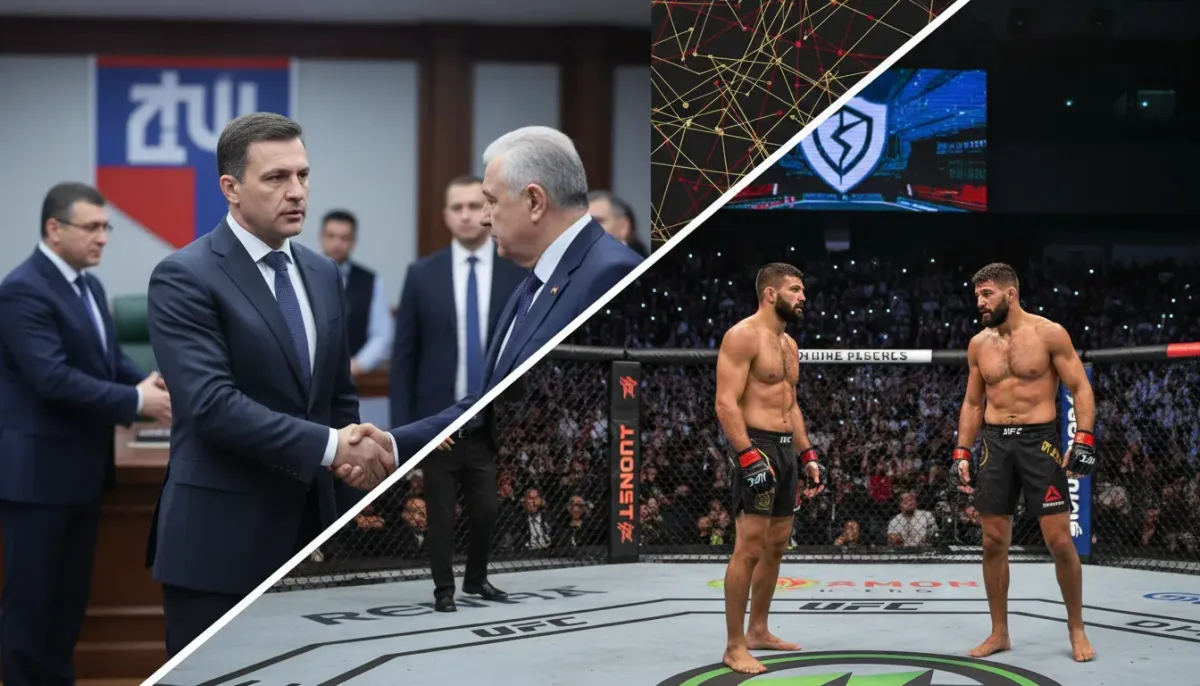
The story centers on an impressive victory at a major venue where one fighter delivered an exceptionally dominant performance. The lightweight competitor showcased his technical prowess with a spectacular knockout in the opening round, earning recognition from the promotion in the form of a Performance of the Night bonus. The event itself featured distinguished attendance, including prominent political figures observing the proceedings.
The Offer That Was Declined
Following this high-profile win, UFC management reportedly approached the fighter with a significant opportunity. A request had been made for a personal meeting with an influential figure who had attended the event. However, the fighter chose an unexpected path—rather than accept this meeting, he departed from the venue and subsequently pursued a notably different engagement. Within days, he appeared at a political rally where he delivered remarks supporting a major political candidate.
The Professional Repercussions
Understanding the Shift
Years later, the fighter publicly reflected on how this sequence of decisions may have altered his standing within the organization. According to his account, UFC management communicated to him that his choices had fundamentally changed their perception of his value and trajectory. What might have been a ascending career path following such a dominant victory instead plateaued, with subsequent opportunities appearing more limited in scope and prestige.
Contrast in Retirement Treatment
The distinction became particularly apparent when the fighter's former opponent—the same competitor he had defeated years earlier—eventually retired from professional MMA. This rival fighter received substantial promotional support and ceremonial recognition for his final appearance. The event featured hometown advantage, family presence, and prominent media coverage. By contrast, the original fighter's final UFC appearance took place on a preliminary card against an emerging international competitor, lacking similar recognition or prestige.
The Intersection of Sport and Politics
Unwritten Rules in Professional Combat Sports
This situation illuminates the complex relationship between political engagement and professional advancement in major sports organizations. Combat sports promotions maintain certain implicit expectations regarding athlete behavior and associations. When fighters pursue political activism that diverges from organizational preferences—or those of powerful figures connected to the promotion—career consequences can follow.
The Message to Emerging Athletes
The fighter's cautionary reflection offered direct guidance to younger competitors entering professional MMA. He suggested that while political activism represents a fundamental right, it may carry tangible professional consequences. The implication was clear: maintaining focus on athletic pursuits while minimizing controversial external activities can serve as a safer career strategy. His advice acknowledged the tension between personal conviction and professional advancement within the sport.
Power Dynamics in Professional Athletics
The Organization's Influence
This narrative underscores the significant power differential that exists between major sports promotions and individual athletes. While fighters possess notable platform and earning potential, they remain fundamentally dependent on organizational decisions regarding fight placement, promotional support, and career opportunities. The ability to provide or withhold premium visibility represents a substantial form of influence.
Broader Questions About Athlete Autonomy
The situation raises important considerations about the scope of athlete freedom within professional sports. Should competitors be expected to suppress personal political beliefs to advance their careers? How much influence should organizations exert over athletes' personal expressions and activism? These questions continue to resonate within combat sports and professional athletics generally as the industry evolves.
Lessons for the MMA Community
This case study demonstrates how organizational preferences, personal conviction, and professional decisions intersect within competitive fighting. It serves as a tangible example of how choices made outside the octagon can significantly impact an athlete's career within the sport. For fighters navigating the professional landscape, understanding these dynamics becomes essential to long-term success and opportunity within major organizations.