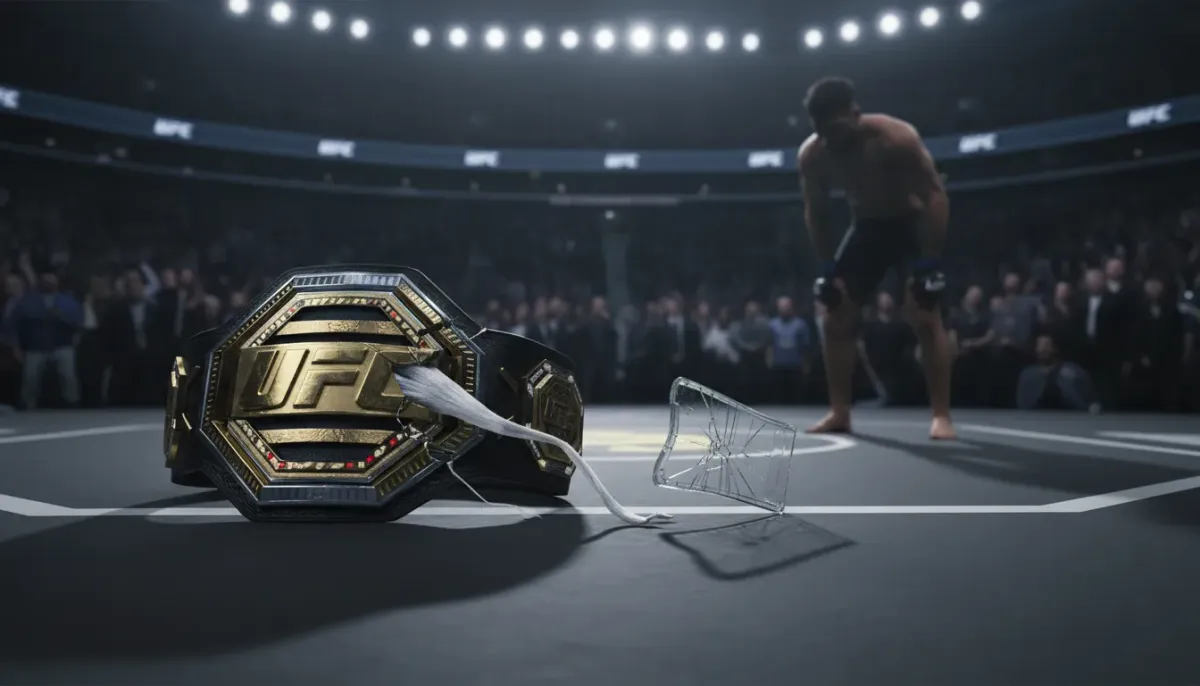
Carlos Ulberg delivered one of the most spectacular comebacks in UFC history at UFC 327, dethroning Jiri Prochazka with a stunning knockout to claim the light heavyweight championship. However, this triumphant moment came with a significant cost. Ulberg suffered a torn ACL during the fight and underwent surgery immediately after, facing nearly a year of rehabilitation. This raises a critical question for the promotion: will the new champion be forced to vacate his belt, or will the UFC chart a different course?
The Victory That Came at a Price
Ulberg's performance against Prochazka stands as one of MMA's most memorable comebacks, showcasing resilience and technical prowess at the highest level. The knockout was clean, decisive, and cemented his status as the division's new champion. Yet the injury that accompanied this achievement has thrown the title picture into uncertainty.
The torn ACL diagnosis means Ulberg faces an extended rehabilitation timeline of approximately twelve months. This lengthy absence creates a dilemma the UFC must now address. In previous situations involving injured champions at 205 pounds—such as when Jamahal Hill and Jiri Prochazka held the belt—the standard protocol mandated that champions relinquish their titles due to injury.
However, Ulberg's situation differs fundamentally. He wasn't defending the title when injured; he was actively securing it. This distinction raises legitimate questions about whether the UFC will apply its traditional rulebook to this unprecedented circumstance.
Precedent and New Circumstances
The promotion has established a clear pattern regarding injured champions. When fighters cannot compete due to injury, they surrender their belts. This happened with previous 205-pound titleholders without exception. Yet the UFC's recent decision-making suggests impatience with extended championship vacancies.
As evidence, the promotion arranged an interim lightweight fight when Ilia Topuria faced personal challenges—a matter that resolved in months rather than nearly a year. The contrast is striking. Ulberg's recovery timeline extends far beyond what the promotion typically tolerates when building interim title scenarios.
Most observers expect the UFC will force Ulberg to vacate the title rather than maintain it during his recovery. The promotion's track record indicates they prefer an active champion over an absent one, even when the champion secured the belt under extraordinary circumstances.
The Khamzat Chimaev Wildcard
One compelling possibility exists for the light heavyweight throne's future. Khamzat Chimaev, currently the middleweight champion, is scheduled to defend against Sean Strickland. Should Chimaev prevail—which many analysts expect—the champion may pursue a historic move up in weight to challenge for the vacant light heavyweight title.
This scenario creates two branching paths depending on another major heavyweight bout. If Alex Pereira loses his championship clash against Ciryl Gane, Pereira would likely return to 205 pounds to face Chimaev for the vacant title. Conversely, if Pereira maintains the heavyweight crown, Chimaev could face an interim title challenger, potentially Paulo Costa, given their existing rivalry.
The interim belt framework provides strategic flexibility for the promotion while maintaining title structure integrity. Meanwhile, Ulberg would return next year to compete for the championship following his recovery, positioning him for another opportunity at the division's top contention.
Paulo Costa's Unexpected Ascension
Paulo Costa impressed observers with his light heavyweight debut at UFC 327, defeating an undefeated opponent despite facing adversity during the contest. This victory demonstrates his capacity to compete effectively at the higher weight class.
However, analysts remain skeptical about Costa's long-term success at 205 pounds. Throughout his middleweight career, Costa relied on pressure and volume striking rather than devastating knockout power. This stylistic approach faces greater challenges against established light heavyweight competitors.
Costa would likely struggle against fighters like Magomed Ankalaev, Jiri Prochazka, and the recovering Ulberg. Yet despite these obstacles, Costa has positioned himself for a potential interim title opportunity through his impressive victory. The interim belt framework legitimizes his fast-track path better than a direct title shot would.
The Derrick Lewis Matchup—Why It Works
The UFC's quick arrangement of Derrick Lewis versus Holley suggests confidence in this fight's entertainment value, defying recent skepticism about heavyweight matchups. Lewis operates at this stage of his career with a limited but dangerous toolkit centered on pure power. Meanwhile, Holley brings relentless aggression, high pace, and persistent takedown attempts.
These contrasting styles create natural chaos rather than the plodding stalemate that characterized Francis Ngannou versus Lewis years earlier. Additionally, Curtis Blaydes repeatedly staggered Holley without exceptional knockout power, suggesting Lewis's raw strength could create serious complications if Holley's takedowns prove unsuccessful early in the fight.
Holley's Rise and Aspinall's Advantage
Tom Aspinall's position strengthens rather than weakens despite Holley's rapid ascension through heavyweight ranks. The heavyweight division remains one of MMA's weakest, alongside women's bantamweight, creating unprecedented opportunity for emerging talent.
Holley's quick rise actually benefits Aspinall directly by generating new contender depth. The most valuable opponent possesses two qualities: significant fan interest and favorable matchup dynamics for the champion. Holley fits perfectly into this sweet spot, offering Aspinall stylistic advantages while maintaining entertainment value and drawing power. New talent elevation strengthens the entire division rather than threatening established top competitors.
The Hall of Fame Reckoning
While Holley's performance against Blaydes merits discussion as a potential Hall of Fame worthy contest, this raises larger questions about the UFC's preservation system. The current structure inducting several fighters annually alongside one contributor and one fight simply cannot accommodate hundreds of competing candidates yearly.
The promotion should expand recognition categories to include dedicated selections for knockout and submission finishers of the year. Without systematic reform, the UFC will inevitably miss documenting critical moments defining its history. The system's limitations mean worthy contests like Holley-Blaydes compete against dozens of unrecognized fights for singular annual honors.
The Jon Jones Standoff
Jon Jones continues signaling potential comeback interest, yet a fundamental deadlock prevents movement. The UFC refuses to meet Jones's financial demands, while Jones declines reduced compensation. This stalemate appears permanent unless external circumstances force negotiation.
Jones previously targeted fighting Aspinall, yet complications surrounding eye-poke incidents and lost leverage eliminated this possibility. Subsequent overtures toward Alex Pereira became untenable after Jones handled negotiations poorly. Currently, neither party demonstrates willingness to compromise, suggesting Jones may never fight again despite occasional comeback rhetoric potentially driven by narcissistic attention-seeking rather than genuine competitive intent.
Jones's Legacy Regardless of Comeback
Whether or not Jon Jones ever competes again, his place in combat sports history remains secure and irreplaceable. His peak performances rival any fighter ever, while his championship accomplishments demand inclusion in any serious greatest-of-all-time conversation. The final years of his career may represent vanity projects rather than meaningful competition, yet this cannot diminish the dominant seasons that defined his prime.
His outside-the-cage controversies complicate but do not erase his technical mastery and record-setting achievements. Jones represents an essential chapter in MMA's historical narrative, shaped by both extraordinary accomplishments and complicated personal conduct.