The Dream Matchup That Captivates MMA Fans
A potential superfight between Khamzat Chimaev and Alex Pereira has long been a subject of speculation within the MMA community. With both fighters commanding titles in their respective weight classes—Chimaev at middleweight and Pereira at light heavyweight—the narrative seems almost inevitable. Yet Chimaev's coach, Alan "Finfou" do Nascimento, offers a contrasting perspective that challenges the common excitement surrounding this theoretical clash. Rather than endorsing the bout unconditionally, Nascimento presents a compelling strategic argument about why such a matchup might actually be counterproductive for Pereira's career trajectory.
The Historic Third Belt Opportunity
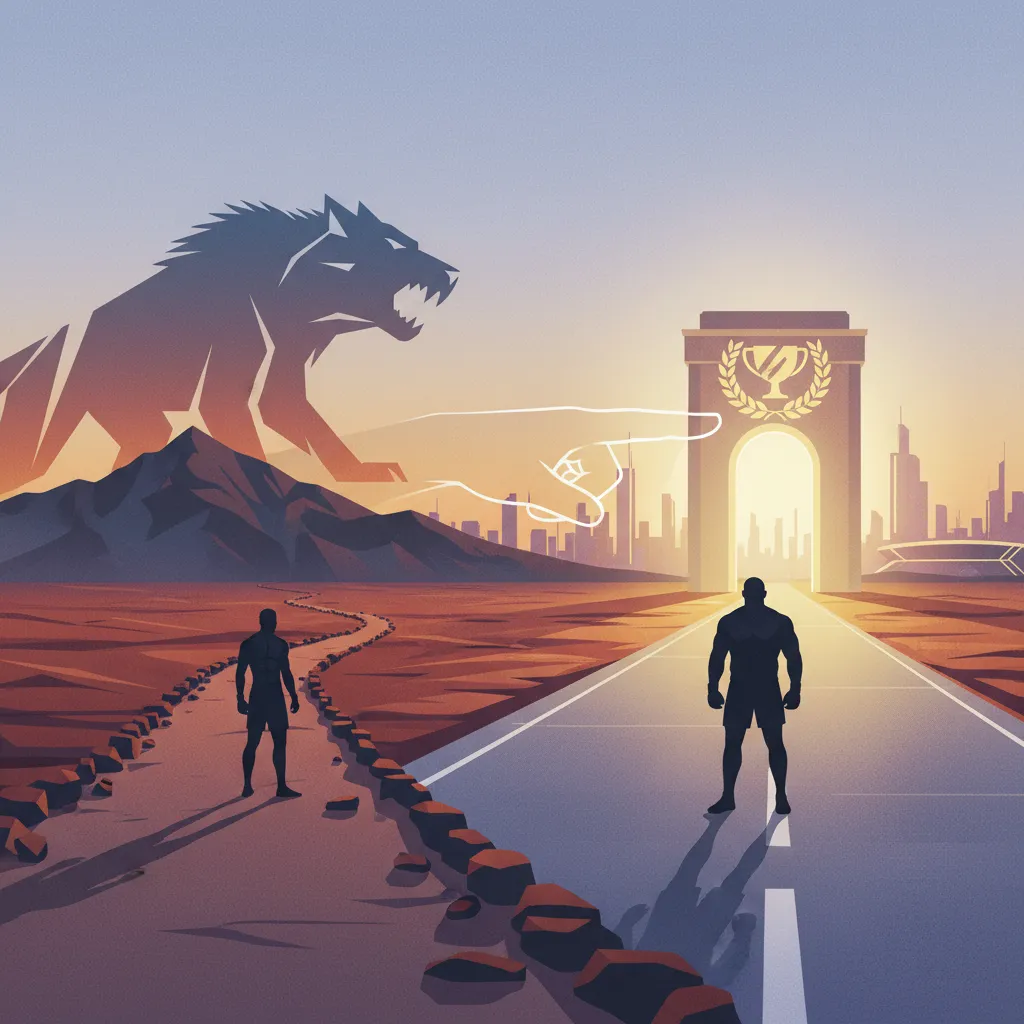
Alex Pereira stands at a unique juncture in his MMA journey. The opportunity to become the first fighter in UFC history to win three titles across three different weight divisions represents something far more significant than a cross-champion showdown. Nascimento emphasizes that this achievement would transcend typical championship accomplishments and cement Pereira's legacy in unprecedented ways.
Pereira's contemplated move to heavyweight is not merely about gaining another accolade. Rather, it represents a chance to rewrite MMA history and create a narrative that no other athlete has successfully completed. This path would involve securing championship gold at a third weight class—a feat that would resonate throughout the sport's collective memory for decades. For a fighter of Pereira's caliber and marketability, this historic opportunity dwells in a category of its own.
Financial Leverage and Strategic Positioning
From a business perspective, Pereira has evolved into the "A-side" in virtually every potential matchup he could pursue. This dominance in fight negotiations means that regardless of his opponent selection, he possesses the leverage to secure substantial compensation. However, the financial argument becomes even more compelling when considering the heavyweight championship path.
A pursuit of the third belt would offer Pereira not only immediate financial benefits but also sustained earning potential. Nascimento notes that while a superfight against Chimaev would undoubtedly generate significant revenue, the championship narrative carries greater long-term value for legacy building. The rarity and historical significance of winning three UFC titles across different divisions creates marketing angles and mainstream appeal that extend beyond a single spectacular matchup.
Understanding the Stylistic Clash
Grappling Versus Striking Dynamics
Nascimento provides valuable insight into how a potential Chimaev-Pereira encounter would likely unfold from a tactical standpoint. The fundamental mismatch centers on divergent skill sets. Chimaev represents a grappling specialist with exceptional wrestling credentials, while Pereira excels as a striking virtuoso with multiple kickboxing championships in his background.
According to Nascimento's analysis, the fight's trajectory would depend almost entirely on which fighter successfully imposed their preferred combat range. Should Chimaev fail to secure takedowns, Pereira's striking prowess would become devastatingly effective, creating genuine knockout risks. Conversely, should Chimaev achieve dominant grappling positions, his submission arsenal would present serious threats to Pereira's safety. The matchup truly represents a clash of elite specialization where neither fighter possesses obvious advantages in their opponent's domain.
The Unexpected Variables
While Nascimento's breakdown focuses on logical tactical scenarios, he acknowledges the unpredictable nature of combat sports. The possibility of surprising outcomes—such as Pereira executing takedowns or Chimaev producing knockout power—cannot be entirely dismissed. However, he emphasizes that realistic expectations should center on whoever dictates the fight's location most effectively in the opening moments.
Chimaev's Heavyweight Ambitions and Strategic Considerations
Nascimento confirms that Chimaev's team would require substantial preparation time and dedicated weight-gain protocols for a transition to light heavyweight. Such physical transformations cannot be accomplished hastily; they demand careful nutritional planning and strength development over extended periods.
Interestingly, Nascimento reveals that Chimaev's team would only pursue a superfight against Pereira under specific conditions. If the light heavyweight title were at stake, the matchup becomes strategically worthwhile. However, fighting Pereira merely as a spectacle—without championship implications—doesn't align with Chimaev's long-term objectives. This pragmatic stance demonstrates that even championship contenders prioritize meaningful advancement within their weight class hierarchies.
Two Phenomenal Athletes, Divergent Career Paths
Both Chimaev and Pereira command tremendous respect from the combat sports community. These athletes have transcended difficult personal circumstances to achieve superstardom within the UFC ecosystem. Nascimento acknowledges their exceptional mental fortitude and unbreakable resilience—qualities that enable them to compete at the highest levels despite their contrasting backgrounds and skill profiles.
What distinguishes this discussion from mere technical analysis is the recognition that both fighters possess the determination, work ethic, and competitive instinct to succeed in virtually any scenario. The question isn't whether either athlete could potentially prevail, but rather which career direction maximizes historical significance and long-term legacy building. For Pereira specifically, the path toward historical achievement overshadows the appeal of spectacular cross-division confrontation.
Territory Control and Strategic Dominance
Any potential encounter between these elite competitors would fundamentally revolve around who controls the fight's environment earliest. Chimaev would naturally gravitate toward securing takedowns and executing his grappling strategy, while Pereira would prioritize maintaining distance and unleashing his superior striking combinations. The fighter who successfully anchors the bout in their comfort zone within the first minutes would establish decisive momentum.
Nascimento's perspective recognizes that MMA outcomes rarely produce surprises outside these established tactical frameworks. When elite specialists face each other, the predictability generally centers on style matchups rather than chaotic unpredictability. Understanding this reality helps contextualize why Pereira's pursuit of the heavyweight championship represents a more strategically sound decision than engaging in a stylistic curiosity against Chimaev.
The Strategic Wisdom of Pursuing History
Nascimento's counsel ultimately advocates for Pereira to pursue the unprecedented third championship rather than indulge in a superfight against Chimaev. This recommendation stems not from fear of the matchup itself, but from recognition that history-making achievements supersede spectacular one-off confrontations. The heavyweight title pursuit offers Pereira the opportunity to accomplish something no fighter has achieved—a distinction that eclipses the appeal of fighting another multi-divisional champion without championship gold on the line.