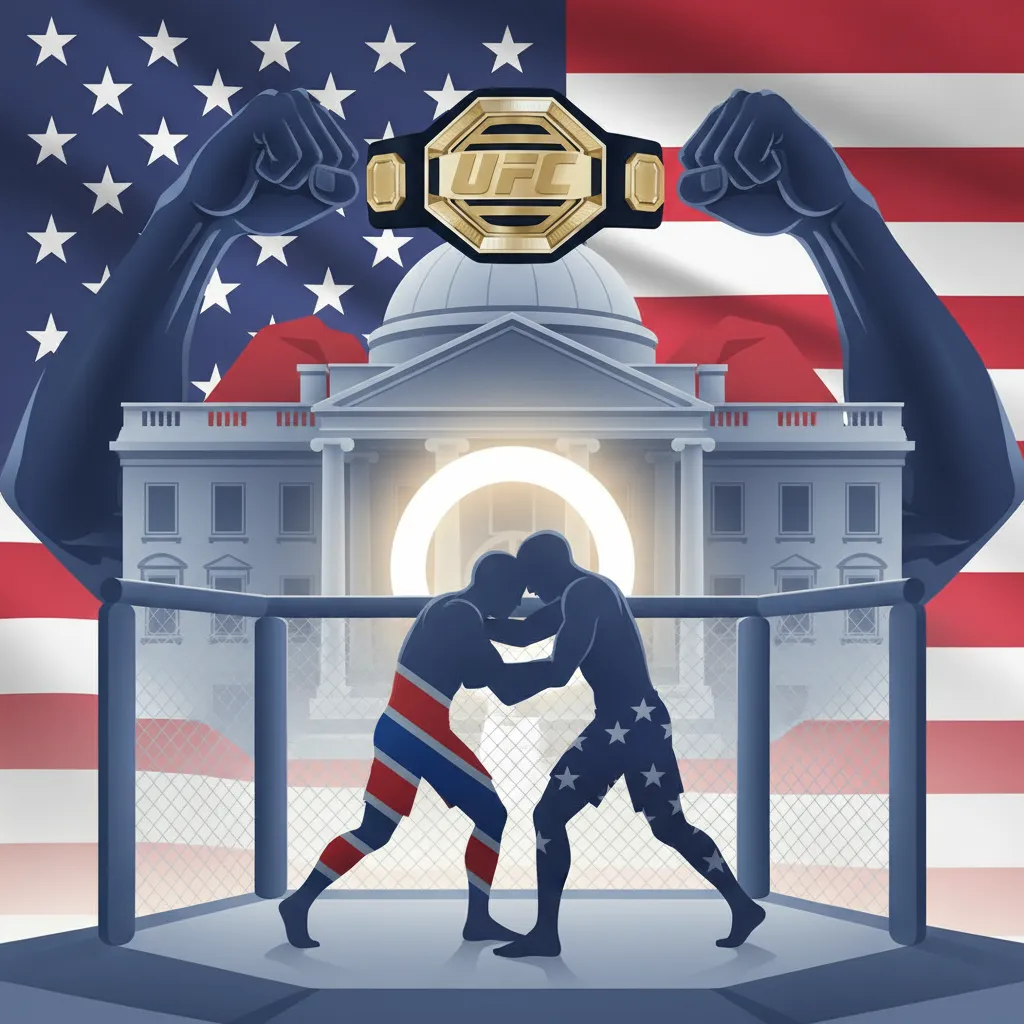
The UFC is preparing to host one of the most prestigious events in the sport's history this summer on the South Lawn of the White House. With the organization commemorating America's 250th anniversary of independence, the competition for spots on the card has become fierce. Among those vying for a position is Colby Covington, who has been vocal about his desire to compete at this historic event. His preferred opponent? British fighter Paddy Pimblett, a matchup that would combine personal rivalry with geopolitical symbolism.
The UFC White House Event: A Once-in-a-Lifetime Opportunity
America's 250th Anniversary Gets the UFC Treatment
The scheduled UFC White House event represents a watershed moment for mixed martial arts. Taking place on the grounds of the nation's most iconic residence, this summer's gathering will mark a historic first for the promotion. The event commemorates 250 years since the Declaration of Independence, elevating it beyond a standard fight card to a cultural milestone.
The significance cannot be overstated. Performing at such a venue transcends typical athletic achievement, offering fighters an opportunity to etch their names into both sports history and national memory. The prestige associated with fighting at the White House has drawn attention from competitors across all weight classes, each recognizing the unique platform this event provides.
The involvement of political figures, particularly those with established connections to the fight game, adds another layer of prominence to the proceedings. The selection process for the card has become incredibly competitive, with fighters understanding that a White House appearance represents a career-defining moment that extends far beyond standard promotional considerations.
Why Fighters Are Fighting for a Spot
The allure of competing at the White House extends beyond mere athletic recognition. A historic venue brings historic consequences for a fighter's legacy. Those selected for the card will be forever remembered as participants in one of combat sports' most significant gatherings, creating opportunities for sponsorships, mainstream media appearances, and lasting cultural relevance.
The elevated profile of such an event ensures maximum visibility. With political leaders, celebrities, and international dignitaries potentially in attendance, fighters selected for the White House card gain exposure that transcends typical sports audiences. This broader exposure carries substantial financial and promotional implications, making the competition for roster spots particularly intense among the sport's elite competitors.
The Covington-Pimblett Rivalry: From Backstage Tension to Potential Match
When Tension Turned Personal
The rivalry between Covington and Pimblett originated from a backstage encounter in Miami that left both fighters with lingering frustration. According to Covington's account, the confrontation escalated to a point where security intervention became necessary, with multiple guards separating the competitors. The American fighter's recollection of the incident reveals a dispute that transcended typical competitive banter.
Covington specifically recalled that Pimblett required assistance from a female individual at the scene to maintain the upper hand, a detail the American fighter emphasized when discussing his desire for a sanctioned matchup. For Covington, the backstage tension provides legitimate ammunition for pursuing an official fight, transforming personal animosity into a compelling narrative for promotional purposes.
Building the Narrative for a Historic Matchup
Covington has strategically positioned the potential Pimblett fight as more than mere personal settlement—he's framed it as a symbolic confrontation between nations. The American fighter emphasizes the marketing appeal: "UK versus America" on American soil, competing on the 250th anniversary of independence. This framing elevates what might otherwise be a straightforward welterweight clash into a geopolitical drama.
The British fighter's marketability plays a crucial role in Covington's reasoning. Pimblett possesses a distinctive personality, unconventional fashion sense, and genuine charisma that resonates with audiences. Covington recognizes these qualities as assets that would make their matchup compelling for both American and international viewers, creating a natural narrative arc for a White House platform.
Making the Weight Class Work: The Welterweight Question
Pimblett's History Across Different Divisions
Pimblett's fighting career has traversed multiple weight classes, beginning at featherweight before progressing through subsequent divisions. Most recently, the British competitor challenged for an interim lightweight title against Justin Gaethje, representing the highest echelon of competition at 155 pounds. A move to welterweight at 170 pounds would constitute a significant jump, moving up multiple weight classes simultaneously.
This progression raises legitimate questions about feasibility. Transitioning between divisions requires substantial adjustments to training camps, nutrition strategies, and competitive preparation. The gap between lightweight and welterweight represents one of the more demanding weight class transitions in professional mixed martial arts.
Covington's Case for the Catchweight or Weight Class Change
Covington addresses the weight class disparity by emphasizing their respective walking-around sizes. The American fighter claims to maintain a 190-195 pound weight outside competition, while suggesting Pimblett walks around at approximately 200 pounds. This assertion forms the foundation of his argument that size differences are minimal when both fighters exist outside of official weight-cutting protocols.
Additionally, Covington references medical concerns regarding Pimblett's weight-cutting practices, citing a purported doctor's recommendation that the British fighter reduce his weight-loss practices to prevent organ damage. From Covington's perspective, this medical guidance strengthens the case for moving Pimblett to welterweight permanently, framing the transition as beneficial to the fighter's long-term health rather than an unreasonable demand.
The Feasibility of the Matchup
Catchweight agreements have historical precedent in professional MMA, offering flexibility when traditional weight class boundaries create logistical challenges. For a White House event of such magnitude, the promotion could potentially facilitate special arrangements to accommodate marquee matchups that wouldn't normally occur within standard weight class parameters.
The question remains whether Pimblett would view such a challenge as career-advancing or career-threatening. The British fighter's current standing in the lightweight division and trajectory toward title contention might conflict with the immediate opportunity of a White House appearance.
Why This Fight Makes Sense for All Parties
Covington's Strategic Appeal
Covington has consistently positioned himself as closely aligned with political figures, recognizing the value of such associations in the fight game. Securing a White House spot requires demonstrating sufficient commercial appeal and mainstream viability. A high-profile opponent like Pimblett would substantially strengthen Covington's case for inclusion on the historic card.
The International Angle
The international dimension of a Covington-Pimblett matchup carries genuine commercial appeal. Marketing the fight as a genuine national rivalry creates storylines that transcend typical sports narrative, appealing simultaneously to American audiences and international viewers from the United Kingdom and Europe. Such crossover appeal maximizes the event's global reach and media coverage.
Fan Interest and Card Value
Both fighters possess distinctive personalities and fighting styles that generate fan interest beyond their win-loss records. Their contrasting personas and proven ability to capture media attention make them valuable additions to any card. For a White House event seeking maximum mainstream relevance, such personality-driven competitors represent ideal choices for building a compelling program.
Challenges and Uncertainties Ahead
Will Pimblett Take the Fight?
Pimblett's current career trajectory and position within the lightweight division complicate the equation. The British fighter remains embedded in a competitive weight class with genuine title aspirations. Whether he would willingly abandon this positioning to pursue a welterweight opportunity, even one as historically significant as a White House appearance, remains unclear.
UFC's Decision-Making Process
Ultimately, the promotion's final say on the White House card composition will determine whether the Covington-Pimblett matchup materializes. The UFC must balance numerous fighter requests, scheduling complexities, and competitive considerations while maintaining the event's integrity and appeal. Multiple fighters are likely competing for the same limited roster spots, requiring careful curation to maximize the event's historical significance and commercial success.