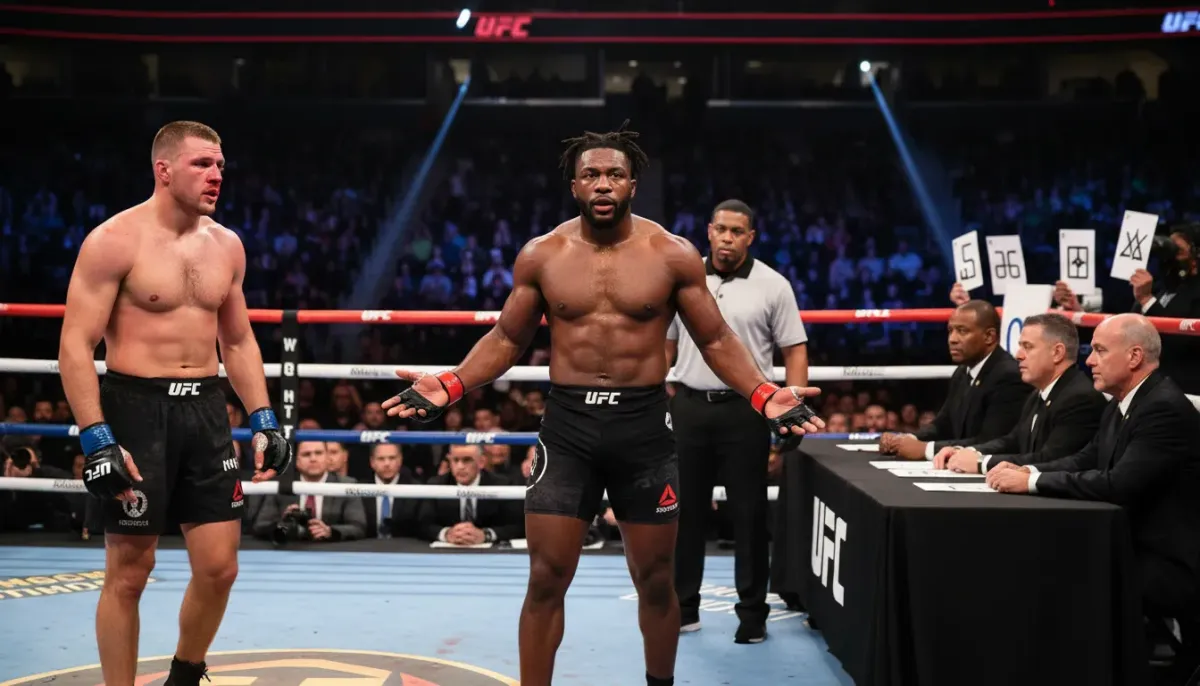
Curtis Blaydes emerged from his UFC 327 encounter with Josh Hokit convinced he deserved his hand raised, despite the judges awarding the verdict to his opponent. The heavyweight's unanimous 29-28 loss has done little to temper his confidence in his own performance. With more than 390 combined strikes exchanged across three brutal rounds, the fight has already cemented itself as one of the division's most memorable contests. Yet for Blaydes, this recognition rings hollow without a victory to validate it.
Analyzing the Scorecard Dispute Round by Round
Blaydes has meticulously reviewed his perspective on each frame of the contest. In the opening round, he acknowledges absorbing significant damage but emphasizes that he reciprocated with equal striking before securing a takedown late in the period. The second round, he concedes, belonged to Hokit, who set the offensive pace with varied combinations while Blaydes found himself limited to basic exchanges. The heavyweight believes the final three minutes tipped in his favor, citing superior clinch control and sustained forward pressure as the decisive factors.
The clinch exchanges represent the core of Blaydes' argument. He maintains that judges failed to properly evaluate his dominance in these positions, winning each clinch sequence by significant margins. Additionally, his wrestling attempts and kicking offense distinguished his output from Hokit's striking-centered approach. Whether judges undervalued wrestling aggression or simply missed the technical nuances of their close exchanges remains a frustration point for the veteran fighter.
Mental Fortitude and Refusing Defeat
Beyond scoring disputes, Blaydes demonstrates pride in his refusal to crumble under Hokit's onslaught. Though acknowledging technical deficiencies—missed defense and poor positioning at times—he emphasizes that being finished was never a realistic outcome. Multiple instances saw Hokit attempt to put him away, yet Blaydes' competitive spirit and sheer determination kept him vertical and engaged. This resilience, he argues, reflects the mentality separating serious contenders from lesser competition.
Blaydes recognizes his own mistakes throughout the encounter, understanding that defensive improvements are necessary. However, the distinction between sloppy technique and fighting heart becomes paramount in his self-assessment. His willingness to remain in the pocket and exchange punishment, despite opportunities to retreat, showcases the mindset required at heavyweight's highest level.
Personal Animosity Overshadowing Post-Fight Respect
Hokit's controversial behavior throughout fight week created genuine tension that extended into their encounter. Multiple altercations at media events, bizarre promotional segments, and repeated obscene gestures during the match fueled Blaydes' personal disdain. This animosity directly prevented the traditional post-fight handshake and words of acknowledgment that typically conclude professional matchups between competitors.
Blaydes doesn't shy away from acknowledging he could have handled this aspect more professionally. He recognizes that champion-caliber fighters generally transcend personal grievances to show respect immediately after combat. Yet turning off his genuine dislike proved impossible in this instance. The repeated middle fingers and disrespectful conduct throughout their interaction made offering a magnanimous gesture feel inauthentic.
The Ambulance Confrontation: Where Respect Completely Broke Down
The post-fight interaction took an unexpected turn when both fighters found themselves loaded into the same ambulance for hospital transport. Strapped to a gurney with limited mobility, Blaydes found himself in uncomfortably close quarters with Hokit. When he heard his opponent's voice making what appeared to be a mocking comment, his reaction was immediate and emphatic. Blaydes demanded the medical staff separate them, threatening to exit the ambulance if they remained in proximity.
This moment crystallized the depth of their mutual disrespect. Blaydes noted he briefly considered sharing one of those famous post-fight hospital photos together—a symbolic moment of combat fraternity—but Hokit's inability to abandon his persona made even this impossible. The character never switched off, preventing any semblance of genuine connection between the competitors.
Unexpected Support From Event Staff
Perhaps most revealing is Blaydes' disclosure that UFC personnel actively rooted against Hokit throughout the event. Equipment handlers, security staff, and other behind-the-scenes workers approached him expressing their own frustration with his opponent's conduct. Such widespread displeasure among event staff represents an unusual development that speaks volumes about how Hokit's behavior extended beyond antagonizing Blaydes.
This collective disapproval suggests Hokit's controversial approach may carry long-term consequences for his standing within the organization, regardless of his in-cage performance. Making enemies among those who facilitate events can create friction in various operational aspects.
Division Uncertainty and Long-Term Viability
Looking beyond this contest, Blaydes expresses concerns about whether Hokit can sustain his current trajectory at heavyweight. While acknowledging his opponent's impressive hand speed and chin durability, he emphasizes that repeated wars of this intensity inevitably extract physical tolls. After three or four similar encounters, Blaydes predicts Hokit's defensive capabilities will deteriorate significantly.
A potential solution would involve moving to light heavyweight, where reduced striking power might better preserve his long-term health. Hokit's wrestling credentials could translate effectively at the lighter weight class, potentially offsetting the speed disadvantage that division presents. Whether such a transition occurs could ultimately define his career trajectory and whether future encounters with Blaydes materialize.
Anticipating a Potential Rematch
Despite the loss and genuine dislike, Blaydes remains confident they'll meet again. The fight generated sufficient acclaim and fan interest to justify a return engagement. However, his closing assessment reveals uncertainty about whether Hokit possesses the ceiling to remain competitive at heavyweight long-term. The answers to these questions will determine whether their rivalry continues or whether different career paths lead them in opposite directions within the sport.