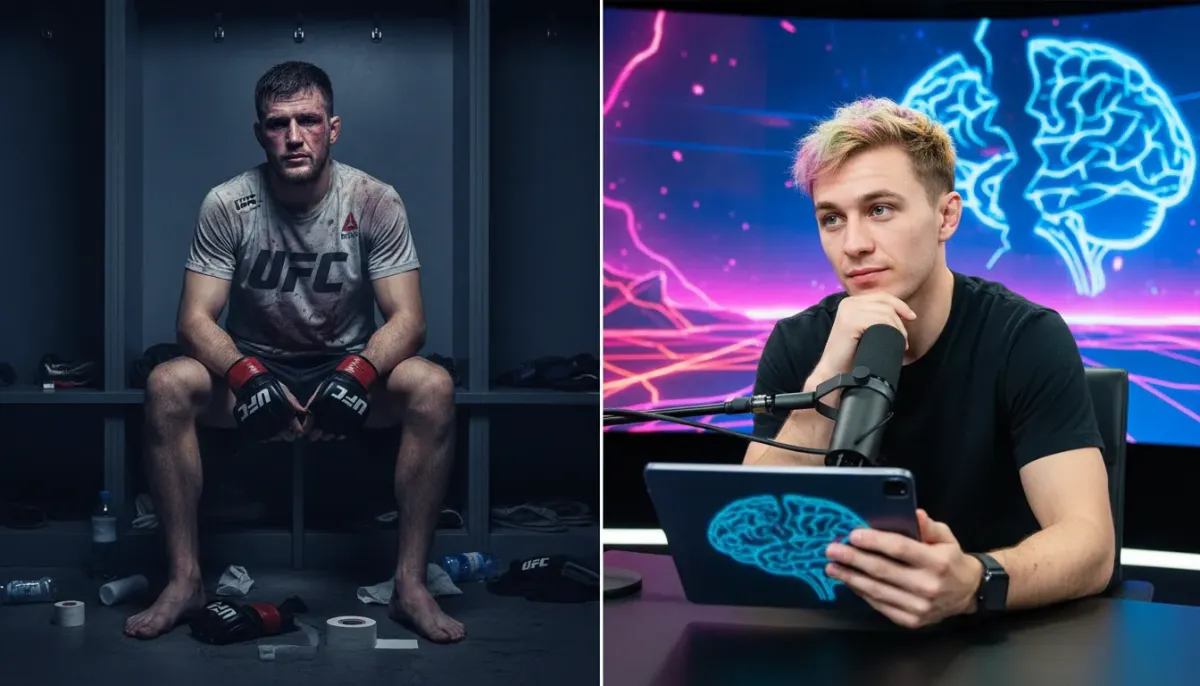
A Stunning Upset That Shook the Light Heavyweight Division
The fighting world witnessed one of the most unexpected outcomes in recent MMA history at UFC 327, when Carlos Ulberg delivered a counter-punch knockout against Jiri Prochazka in the main event. What made this finish so shocking was the context surrounding it: Prochazka was attempting to reclaim the UFC light heavyweight title for a second time, while Ulberg competed despite suffering a severe leg injury that severely compromised his mobility and striking options. Yet somehow, in a single moment of perfect timing and composure, Ulberg found the opening that changed everything. The fight ended in the first round, leaving the MMA community to grapple with one of the most improbable championship finishes in recent memory.
Sean O'Malley's Take on Prochazka's Emotional Struggle
The Humorous Reality of Processing Defeat
Sean O'Malley provided candid commentary on how Prochazka would cope with this soul-crushing loss, using humor to highlight a deeper truth about elite fighters. In his YouTube reaction, O'Malley joked that Prochazka would likely take his frustrations out on nature itself, channeling his anguish into physical outlets. While delivered with levity, the comment reflected O'Malley's genuine understanding of what fighters experience after devastating losses. The humor served as a window into the psychological toll that high-level competitors endure when championship dreams collapse in seconds.
The Brutal Weight of Almost Winning
O'Malley's deeper analysis revealed the particular cruelty of Prochazka's situation. The Czech fighter had controlled the fight, dominated most of the round, and positioned himself to secure the title. According to O'Malley's breakdown, Prochazka was approximately 90 percent of the way to victory when the counter-strike changed everything. O'Malley vividly described the psychological aftermath: sleepless nights filled with replaying the moment, constant questioning of what could have been done differently, and the haunting reality that championship opportunity had slipped through his fingers. This type of loss creates a unique form of mental anguish that transcends typical defeat.
Did Prochazka Show Mercy to an Injured Opponent?
The Compassion Factor in Championship Fighting
Prochazka claimed after the fight that he felt compassion for Ulberg due to his obvious leg injury, suggesting this emotional response may have affected his fighting approach. Notably, O'Malley expressed belief in this explanation, a perspective that reveals the unspoken code among elite fighters. O'Malley referenced his own similar experience when facing Merab Dvalishvili with a nasal injury, acknowledging that sometimes fighters genuinely hesitate to target injured opponents. This moment of humanity, while emotionally understandable, may have cost Prochazka the title.
The Tactical Breakdown That Changed Everything
Beyond the mercy narrative, O'Malley identified specific tactical errors that proved decisive. Prochazka's hand positioning—dropping his guard with his hands down by his hip—created dangerous vulnerability against a fighter as precise with counters as Ulberg. Prochazka had backed Ulberg against the cage where the injured fighter possessed limited options, essentially just right hands and left hooks in his arsenal. Yet Prochazka failed to capitalize on this dominant position, allowing Ulberg to find the counter opening that ended the contest.
Ulberg's Resilience Against the Odds
Composure Under Extreme Duress
While Prochazka's loss dominated the narrative, Ulberg's performance deserved significant recognition. Despite fighting with a severely compromised leg that limited his movement and kicking game, Ulberg never panicked or surrendered mentally. He remained composed, stayed in the fight despite overwhelming physical limitations, and waited for his opportunity. O'Malley praised this approach, noting that Ulberg maintained control until the precise moment when his counter-strike opportunity presented itself. This mental toughness under duress separated a championship fighter from merely a good one.
Establishing Credentials as a Champion
Ulberg's victory pushed his record to 10 consecutive wins, positioning him among the elite pound-for-pound fighters in MMA. The question mark surrounding his leg injury notwithstanding, this victory elevated his status considerably. How he navigates the recovery from that injury will determine whether he can capitalize on this pivotal moment and establish a legitimate championship reign.
The Broader Implications for Both Fighters
Prochazka's Troubling Knockout Trend
This loss marked Prochazka's third knockout defeat in his past six fights, a concerning pattern that raises questions about his future trajectory. The physical and mental recovery required after such devastating losses demands significant time and proper rest. Fighters often need weeks away from the sport to process the psychological weight of defeat before they can rebuild with perspective. Whether Prochazka can reclaim championship status will depend not just on technical improvements but on his mental resilience.
Ulberg's Uncertain Path Forward
Ulberg finds himself in a unique position: he's a newly crowned champion with a significant injury that could derail his reign before it truly begins. The medical evaluation of his leg will determine his timeline for defending the title and facing the dangerous challengers waiting in the light heavyweight division.
The Human Side of Elite MMA Competition
Shared Understanding Among Warriors
O'Malley's reflections revealed the profound empathy that exists among elite fighters who understand the burden of competing at the highest level. The devastation of losing when victory seemed assured creates a shared experience that transcends rivalries. Both Prochazka and Ulberg understand what the other is experiencing—one the crushing weight of near-victory, the other the validation of seizing a seemingly impossible opportunity. This mutual understanding forms the foundation of respect within the fighting community.
Lessons in Pressure and Opportunity
UFC 327 demonstrated that composure under extreme pressure and the ability to capitalize on limited opportunities can fundamentally alter career trajectories. Ulberg's story reminds fighters and fans alike that circumstances need not define outcomes—mental fortitude and precise execution matter equally. For Prochazka, this fight serves as a harsh reminder that in championship-level MMA, there is no margin for tactical error or momentary hesitation.