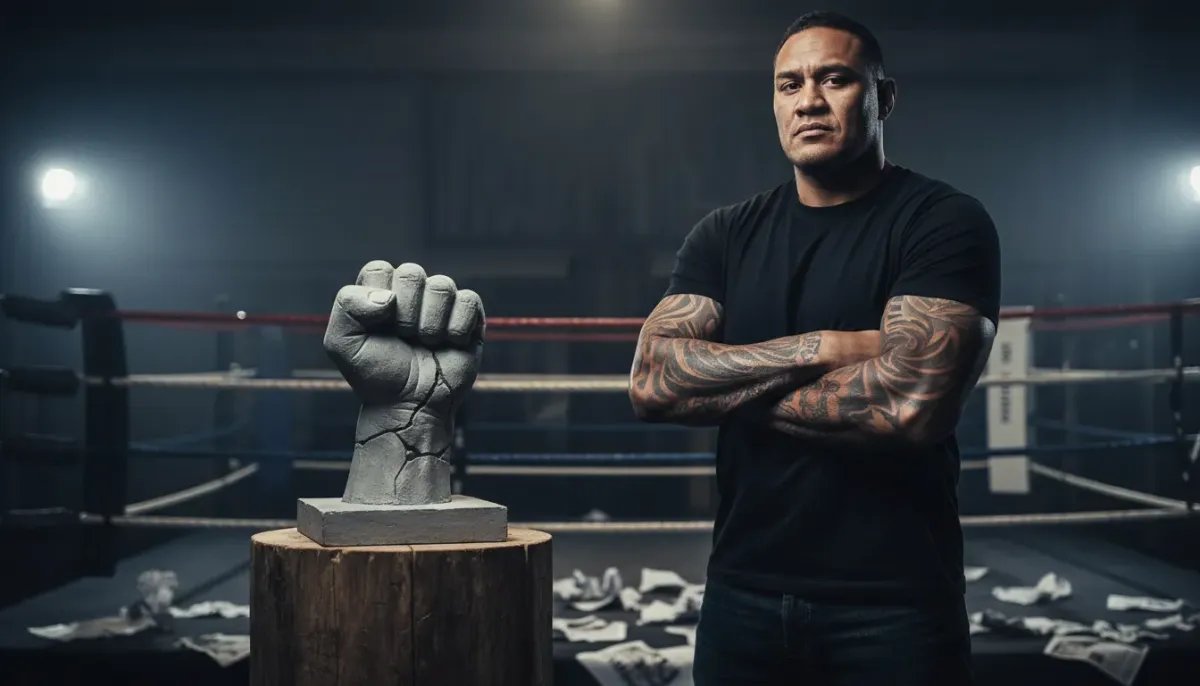
Retired UFC heavyweight Mark Hunt has issued a public statement following his arrest in Sydney on allegations of stalking and intimidation. The 52-year-old fighter maintains that no physical violence occurred during the incident that led to his detention, sparking a broader conversation about how domestic violence is legally defined and interpreted.
The Arrest and Initial Charges
Hunt was arrested in Sydney and subsequently released on bail after being charged with one count of stalking or intimidation with intent to cause physical harm. The charges also include allegations that he sent threatening text messages to his partner. During his initial court appearance, Hunt was not accused of causing actual physical injury, but rather of displaying aggressive and intimidating behavior toward the alleged victim.
According to court reports, Hunt allegedly behaved in an intimidating and berating manner while the two were working together on a task, allegedly inflicting fear and distress on his partner. Police were contacted following the incident, and Hunt was taken into custody when he returned to the residence.
Hunt's Defense: No Physical Violence Occurred
In a video statement posted to his social media accounts, Hunt directly addressed the allegations against him. He emphasized that the incident was a heated argument between partners, not an act of violence. Hunt stated that he did not make physical contact with anyone and expressed frustration that the situation escalated to criminal charges.
"I didn't lay a hand on anybody," Hunt declared in his statement. "I just got frustrated, we got into a heated argument and I left." He acknowledged that couples argue regularly and that disagreements are a normal part of relationships. However, Hunt suggested that recording or documenting these arguments creates problems, as such records can later be used against a person in legal proceedings.
The Nature of the Dispute
The underlying conflict centered on a lawsuit that both Hunt and his partner were pursuing together. Hunt indicated that this legal matter had been a recurring source of tension in their household. He characterized the incident as one disagreement among many that couples typically resolve through dialogue and reconciliation.
Hunt's perspective on the situation suggests he views the documentation of the argument as the primary issue, rather than his own behavior. He stated that most couples have similar disputes but don't typically involve law enforcement or create formal records of their conflicts. This framing reflects his belief that the situation should have remained a private matter between partners rather than becoming a criminal case.
Legal Definitions and Hunt's Concerns
Hunt acknowledged understanding how modern domestic violence laws are structured. He recognized that the legal system defines domestic violence not solely by physical harm, but by the emotional impact on the alleged victim. However, Hunt expressed concern about the implications of such broad definitions for relationships.
His attorney stated that while Hunt's background as a retired UFC fighter might suggest a propensity for violence, this assumption should not automatically classify him as a domestic abuser. The defense argued that Hunt's professional fighting career does not determine his personal conduct within intimate relationships. Hunt himself questioned why someone with his history of sanctioned combat sports violence would seek to harm a loved one.
The Threatening Text Messages
The case includes allegations that Hunt sent death threat messages to his partner via text. In a subsequent video statement, Hunt addressed these communications directly. He claimed that the threatening texts were sent in response to threats made against his family first, suggesting a reciprocal exchange rather than unprovoked aggression.
Hunt argued that the context of these messages had been omitted from public discussion and that people were forming opinions without understanding the full situation. He maintained that if someone threatens to separate him from his family, he would respond with similar intensity. This explanation represents his attempt to reframe the threatening messages as reactive rather than initiatory.
Hunt's Fighting Legacy and Personal Identity
Throughout his career as a heavyweight contender, Hunt built a reputation as a formidable fighter who competed at elite levels across multiple combat sports. He last competed in the UFC in December 2018. Hunt pointed to this extensive combat experience as evidence that he would have no practical reason to harm someone in his personal life.
He expressed confusion about why someone who has made a career of controlled violence in professional settings would resort to violence in private relationships. This argument represents an attempt to distinguish between his professional identity as a fighter and his personal character as a partner.
The UFC Lawsuit Context
Hunt has been engaged in a prolonged legal dispute with the UFC for over a decade. His case involves allegations that the organization, UFC leadership, and fighter Brock Lesnar conspired against him ahead of a 2016 bout. Despite multiple appeals, this lawsuit was ultimately dismissed. Hunt indicated that this ongoing legal battle has contributed significantly to stress in his household, providing context for why the recent argument with his partner occurred.
Legal Proceedings and Expectations
Hunt's legal team expects him to enter a guilty plea to the stalking and intimidation charges. This development suggests a strategy of accepting responsibility for certain aspects of the charges while maintaining his assertion that no physical violence occurred. The distinction between pleading guilty to intimidation while denying violence represents a nuanced legal position that acknowledges behavioral issues without conceding to the most serious potential characterizations.