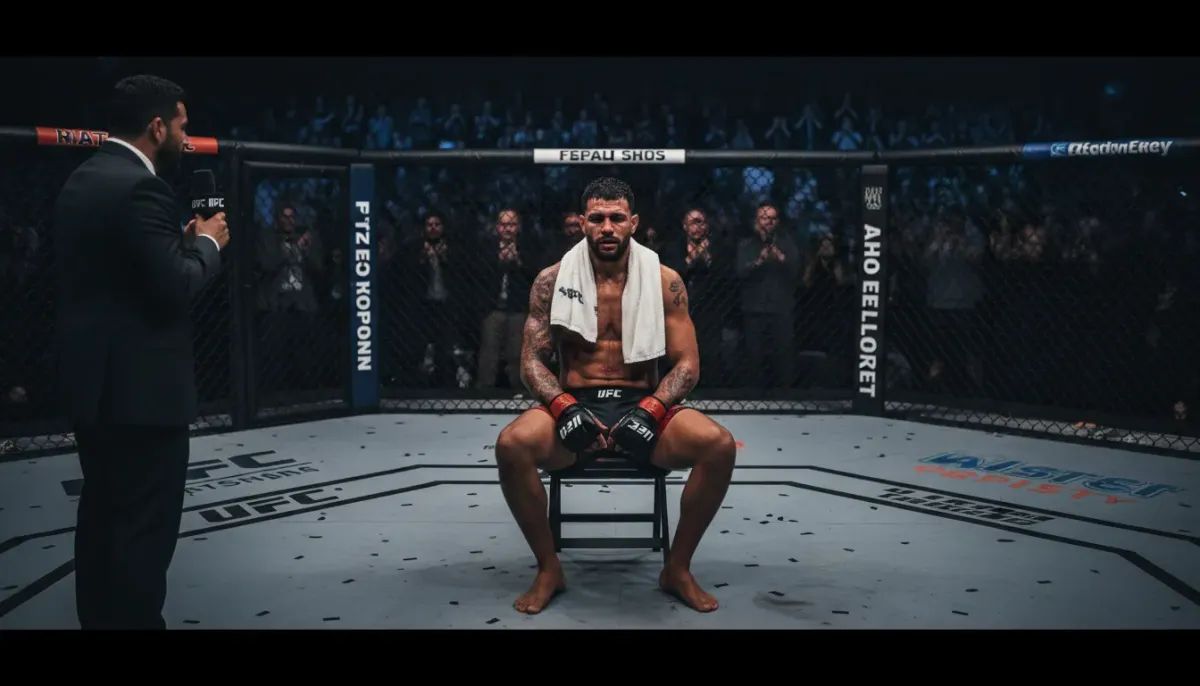
In a poignant moment that underscored the toll of professional combat sports, Gilbert Burns brought his storied MMA career to an abrupt conclusion at UFC Winnipeg. After suffering a third-round knockout defeat to Mike Malott, the veteran fighter made his retirement decision known in a deeply symbolic gesture—removing his gloves and placing them deliberately in the center of the octagon. This quiet but powerful statement marked the end of 14 years competing at the highest levels of mixed martial arts.
The Fight That Sealed Burns' Fate
Malott Dominates in Third-Round Victory
Mike Malott delivered a commanding performance inside his home country, culminating in a knockout finish that showcased his growing prowess in the welterweight division. The Canadian fighter seized the opportunity presented by fighting before his hometown crowd, translating that energy into a dominant third-round display. Malott's technical execution and power proved decisive against Burns, who found himself unable to withstand the assault as the fight reached its conclusion. This victory represented a significant statement from Malott, signaling that he belongs among the division's top contenders.
Burns' Immediate Retirement Declaration
Rather than entertain thoughts of another comeback, Burns chose to conclude his journey immediately. The gloves left in the octagon served as his final proclamation—a far more eloquent farewell than any interview could provide. Burns addressed the crowd briefly, acknowledging the effort he continually invested in his craft. His words carried the weight of someone who had reached a crossroads and made a definitive choice about his future in professional fighting.
The Weight of Five Consecutive Defeats
Understanding the Losing Streak
Burns entered UFC Winnipeg facing an uncomfortable reality: five consecutive losses represented an extended struggle that suggested his time at elite levels had passed. At 39 years old, approaching his 40th birthday, Burns confronted both the physical and psychological toll of competing against the sport's best while experiencing repeated setbacks. Each defeat had gnawed at his confidence and record, making the prospect of continued competition increasingly untenable. The accumulation of losses, rather than the singular knockout, seemed to drive his retirement decision.
Burns' Perspective in the Aftermath
During his post-fight address, Burns reflected on his dedication without making excuses. He acknowledged that Mike Malott had prepared thoroughly for their encounter, particularly benefiting from fighting in his native Canada. Burns' gracious acceptance of defeat and his recognition of Malott's advantages demonstrated a mature perspective born from years of experience. Rather than assigning blame, Burns appeared to accept that the time for competition had genuinely arrived at its natural conclusion.
The MMA Community Honors a Veteran
Professional Recognition from Peers
Burns' retirement announcement triggered an outpouring of respect from the professional combat sports community. Prominent fighters including Belal Muhammad, Adrian Yanez, and Derek Brunson took to social media platforms to express their admiration for Burns' career and his dignified exit from competition. These messages reflected genuine appreciation for a fighter who had carved out a significant place in UFC history despite never capturing championship gold. The respect flowed not merely from courteous obligation but from authentic recognition of Burns' contributions to the sport.
Winnipeg's Emotional Farewell
The Canadian crowd delivered perhaps the most meaningful tribute, chanting Burns' name throughout his final moments in the octagon. This outpouring of affection transcended the outcome of the fight itself, representing recognition of a warrior's entire body of work. For a crowd that could have easily celebrated Malott's hometown victory exclusively, the decision to honor Burns spoke volumes about respect for longevity and commitment in professional fighting. Burns received the send-off his career deserved, irrespective of how his final chapter concluded.
Legacy and Impact on the Welterweight Division
Durinho's Significance in UFC History
Burns will be remembered as a legitimate title contender who competed consistently against the sport's elite talent throughout nearly 14 years of professional activity. His willingness to face top competitors head-on, regardless of ranking or threat level, defined his approach to the sport. Burns' presence elevated everyone he fought, serving as a measuring stick for welterweight aspirations. While championship glory eluded him, his contribution to the division's landscape remains substantial and enduring.
A Career Built on Grit and Professionalism
What distinguished Burns extended beyond fight statistics and rankings. His unwavering determination and professional conduct earned him respect across the MMA universe. Burns approached his craft with seriousness, training rigorously despite repeated adversity. His retirement serves as a reminder that professional fighters often know better than observers when their competitive window has genuinely closed. Burns' decision to exit while maintaining dignity reflects wisdom accumulated through years of high-level competition.
Mike Malott's Emergence as a Rising Force
A Statement Victory for the Canadian Fighter
Malott's knockout victory represented more than a single win—it announced his arrival as a legitimate welterweight threat. The technical proficiency displayed against Burns, a battle-tested veteran, suggested Malott possesses the skill set necessary to compete at elite levels. This performance provides a foundation upon which he can build a serious championship contention campaign.
The Home Advantage Factor
Fighting in Canada clearly benefited Malott, providing energy and familiarity that contributed to his dominant display. Burns graciously acknowledged this advantage post-fight, recognizing that competing away from home presents additional challenges that extend beyond the technical aspects of fighting. This recognition further emphasized Burns' mature perspective as his career concluded.