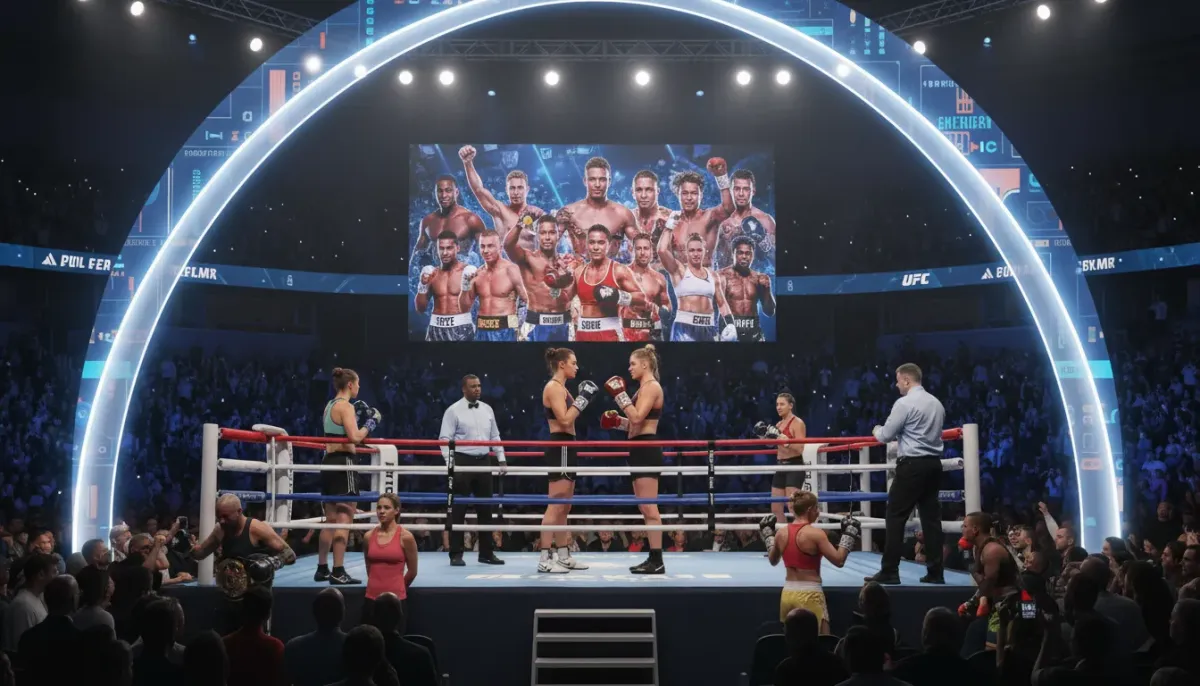
The Netflix MMA event anchored by Ronda Rousey against Gina Carano has already commanded significant mainstream attention, but the subsequent booking of Nate Diaz versus Mike Perry elevated expectations considerably. With these established names secured, the focus now centers on identifying which supporting bouts can transform this into genuinely compelling entertainment. MVP and Netflix possess a rare opportunity to construct something distinctly different from traditional MMA promotion, offering fresh appeal to both casual viewers and dedicated combat sports enthusiasts alike.
Strategic Talent Acquisition for the Undercard
The foundation of any successful combat sports card extends beyond headline attractions. Supporting fights must balance entertainment value with competitive legitimacy, creating an ecosystem where emerging talents gain exposure while proven competitors showcase their abilities. This approach serves multiple audiences simultaneously: casual viewers seeking exciting action, hardcore fans analyzing technique, and fighters seeking career advancement.
MVP's advantage lies in their ability to operate outside traditional UFC structures. Rather than filling undercard slots with contractually obligated domestic fighters, they can recruit selectively from international organizations and independent ranks. This flexibility allows for more compelling matchups and fresher narratives than typical promotion cards.
Rising Stars Ready for Major Platform Exposure
Olympic Gold Medalist Gable Steveson
Gable Steveson represents the caliber of credentialed young talent that elevates perceived card quality immediately. The Olympic gold medalist's transition to professional MMA remains incomplete, and a high-profile Netflix appearance could accelerate his career trajectory dramatically. Pairing Steveson against an established veteran—such as Andrei Arlovski—serves multiple objectives. For Steveson, the exposure provides negotiating leverage in future business discussions. For MVP, securing such accomplished newcomers signals genuine commitment to competitive integrity rather than celebrity spectacle.
Kyoma Akimoto: Japanese Rising Prospect
Operating within RIZIN's ecosystem, the 20-year-old Akimoto has already displayed exceptional striking mechanics and finishing instincts. His recent performance demonstrated the explosive technical ability that resonates with mainstream audiences. A potential arrangement with RIZIN could bring Akimoto to the Netflix card, where matchmaking him against former PFL champion Brendan Loughnane would create the type of technically sound competition that appeals across viewership demographics.
Established Competitors Worth Including
The Larkin-Jackson Middleweight Showdown
Rumors suggest middleweight prospects Lorenz Larkin and Jason Jackson may already be negotiating card inclusion. While these competitors may not shift casual audience perception through name recognition alone, their matchup delivers technical quality that rewards analytical viewing. Jackson's PFL championship background combined with Larkin's consistent engagement in competitive bouts creates legitimate sporting intrigue beyond surface-level appeal.
Salahdine Parnasse: The Elite International Talent
Few fighters operating outside the UFC carry the credentials of Salahdine Parnasse. Currently contracted internationally, his recruitment would communicate that MVP prioritizes legitimate combat sports excellence. His participation signals this platform represents serious athletic competition, not merely celebrity-driven entertainment. The specific opponent matters less than securing the fighter itself.
Structural Decisions That Define the Experience
The Hexagon Versus Ring Debate
While ring formats evoke PRIDE nostalgia and aesthetic appeal, the hexagon cage remains superior for mixed martial arts competition. Rings create constant technical stoppages when fighters entangle in ropes, disrupting action flow and necessitating artificial resets. The cage preserves grappling exchanges naturally, maintains momentum, and ultimately serves athletes and viewers more effectively than nostalgic aesthetics.
Progressive Rulesets That Enhance Competition
MVP need not feel constrained by conventional UFC regulations. ONE Championship has demonstrated internationally that allowing knees to grounded opponents—within safety parameters—creates more dynamic, skill-rewarding competition. Adopting proven superior rulesets distinguishes the product meaningfully without requiring wholesale MMA reinvention.
Pacing Separates Excellent Events From Exhausting Broadcasts
Frequently overlooked is how timing creates viewing experience. BKFC and RAF have succeeded partly through momentum maintenance. MVP should commit to maximum eight fights per card with minimal between-round delays, ensuring audiences remain engaged rather than experiencing fatigue. The UFC and PFL have historically underperformed in this area—MVP possesses the opportunity to execute flawlessly.
Building Sustainable Competitive Value
MVP enters the market uniquely positioned to build without existing structural constraints. Undercard selections should reflect genuine viewing pleasure philosophy rather than corporate mandate satisfaction. Emerging talents deserve platforms; established fighters deserve competitive opportunities; casual audiences deserve entertainment without sacrificing sporting credibility.
The Netflix partnership provides resources independent promotions cannot access, while MVP maintains agility heavyweight organizations lack. This balance—star power combined with emerging talent, legitimate competition paired with entertainment value, technical excellence without compromising accessibility—represents the blueprint for constructing a genuinely exceptional combat sports event that resonates across diverse viewer demographics.