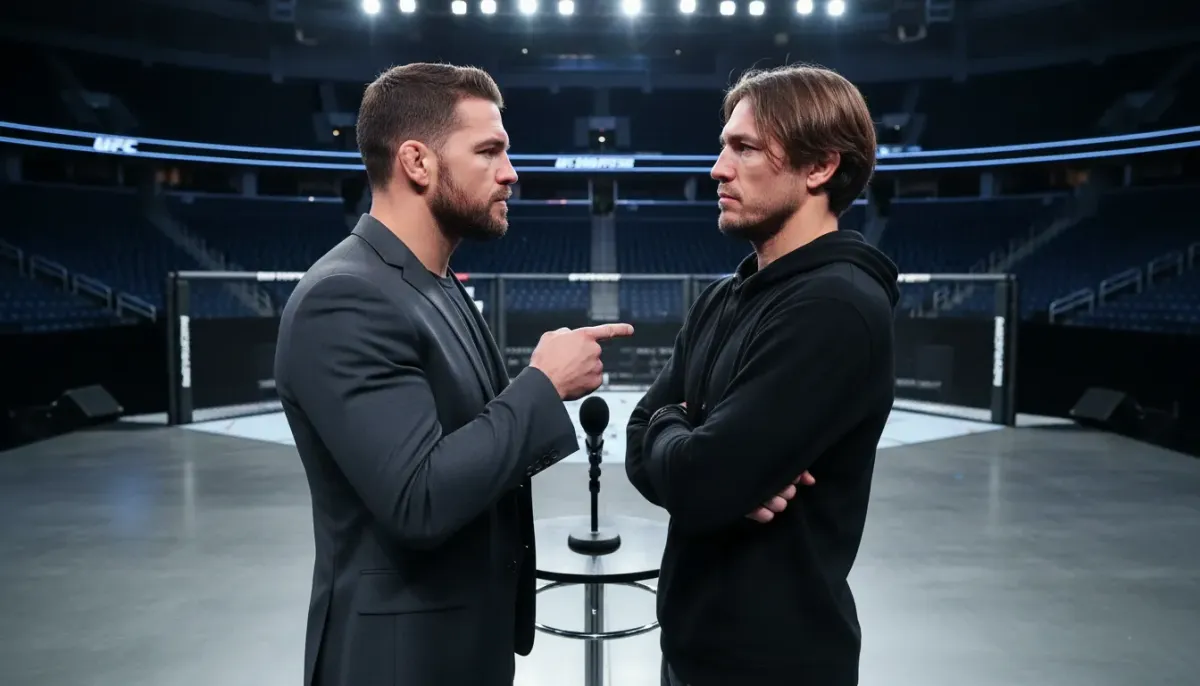
A Decade-Old Dispute Resurfaces in the MMA Community
The tension between Josh Thomson and Nate Diaz refuses to fade despite more than a decade passing since their octagon encounter. Recently, Diaz appeared on a high-profile podcast where he dismissed his 2013 loss to Thomson, a comment that prompted an immediate and detailed response from Thomson himself. The exchange highlights a recurring theme in mixed martial arts: fighters managing their legacies and the narratives surrounding their defeats.
Thomson's 2013 technical knockout victory over Diaz remains one of the most contested results in both fighters' careers. Rather than letting the matter rest, Thomson has now provided a comprehensive account of what transpired that night, challenging Diaz's characterization of the bout and expressing frustration over multiple failed rematch negotiations.
The Facts of the 2013 Technical Knockout
What Happened Inside the Octagon
Thomson's victory came through a relentless display of pressure grappling and striking combined with aggressive knees and elbows against the cage. The fight saw Thomson controlling Diaz with a combination of body work and facial strikes, forcing Diaz into a defensive posture. Referee Mike Beltran ultimately intervened to stop the bout, with Diaz's own brother Nick underscoring the severity of the situation by throwing in the towel to prevent further damage.
The technical knockout occurred during the second round after Thomson had systematically broken down his opponent's will to continue fighting. What makes this victory particularly significant is that both the official record and neutral observers acknowledge Thomson's dominance, even if Diaz has chosen to minimize its importance in recent interviews.
The Narrative Divide Between Fighters
Official MMA records clearly show Thomson with the technical knockout victory. However, Diaz's recent podcast appearance suggests he views the loss differently, downplaying its significance. Thomson has now responded by inviting observers to rewatch the footage and judge for themselves. The distinction matters: Diaz was never knocked completely unconscious, which perhaps explains his willingness to dispute the outcome, yet the overwhelming evidence of his deteriorating condition during the fight remains undeniable.
Thomson's Detailed Response and Frustration
Breaking Down the Fight Through Thomson's Eyes
Thomson's rebuttal was notably comprehensive, describing specific moments and techniques from the bout. He detailed how his knees to the body and elbows to the face systematically wore down Diaz, referencing the audible reactions from his opponent during these exchanges. Thomson's tone suggested long-standing frustration at being cast as the villain in a narrative where he was simply the more effective fighter that evening.
What stands out in Thomson's response is his emphasis on physical dominance rather than lucky breaks or controversial refereeing. He frames the victory as the result of superior strategy, conditioning, and execution—factors that should carry weight in any honest assessment of the fight.
The Rematch Offers That Never Materialized
According to Thomson, he has pursued a second encounter with Diaz on multiple occasions over the past decade. These proposals allegedly included:
- A traditional mixed martial arts rematch within the UFC or similar organization
- A boxing match format to test both fighters' skills in a different ruleset
- A bare-knuckle fighting competition in the BKFC format
- An alternative matchup against Chris Avila, Diaz's associate
Thomson contends that all such offers were rejected, which he finds particularly frustrating given Diaz's history of pursuing rematches against other fighters. The 47-year-old appears to view these declined opportunities as evidence that Diaz lacks genuine competitive interest in settling their unfinished business.
The Conor McGregor Precedent
Inconsistent Standards for Rematches
Thomson raises a compelling counterpoint to Diaz's recent dismissal of rematch opportunities. After defeating Conor McGregor at UFC 196, Diaz actively pursued a second fight with the Irish superstar. Thomson highlights this apparent contradiction: Diaz was willing to chase a rematch against McGregor but now dismisses the idea of fighting Thomson again.
Thomson acknowledges the financial disparity between a potential matchup with McGregor and a contest with himself, yet uses this example to challenge Diaz's stated philosophy about not seeking rematches against fighters he has already beaten. The McGregor pursuit suggests that Diaz's current position may be less about principle and more about perceived financial gain or competitive interest.
Legacy Management and Fighter Motivations
This dispute illuminates broader questions about how fighters construct their public narratives. Thomson's argument suggests that fighter behavior is often inconsistent when filtered through the lens of financial incentives and celebrity status. His willingness to acknowledge that McGregor represents a vastly larger payday than he does lends credibility to his critique while also highlighting the economic realities that shape competitive decisions in professional combat sports.
The Mike Perry Factor and Future Implications
Diaz's Next Challenge
Diaz is scheduled to compete against BKFC star Mike Perry in an upcoming event. Thomson has expressed confidence that Perry possesses sufficient skill and power to achieve what he accomplished years earlier. More significantly, Thomson views this matchup as potentially validating his assessment of Diaz's vulnerabilities, suggesting that Perry's success would reinforce Thomson's narrative about the nature of Diaz's defeat.
Nick Diaz's Validation
An often-overlooked detail in this dispute is Nick Diaz's acknowledgment of the fight's outcome. Nate's brother not only threw in the towel to stop the bout but has also recently spoken about Thomson's victory in terms that align with Thomson's narrative. Nick's concern for his brother's health and his public acknowledgment of the technical knockout carry significant weight, as they come from someone with no reason to defend Thomson and considerable incentive to protect his brother's legacy.
This familial validation represents a crucial element in Thomson's argument, essentially suggesting that even Diaz's own support network recognizes the legitimate nature of the loss.