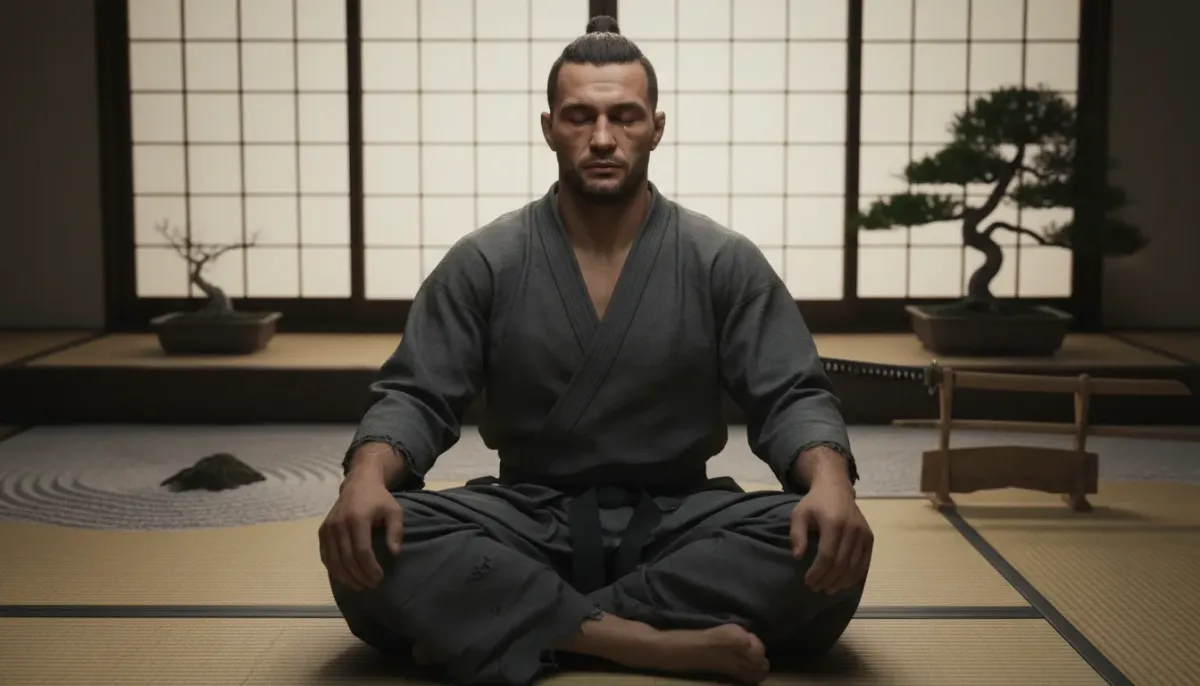
Introduction – Beyond the Octagon: A Fighter's Philosophy
Jiri Prochazka represents a rare breed of competitor whose mental preparation extends far beyond physical training. His approach to fighting embodies a philosophy rooted in absolute focus and deliberate simplification. Rather than spreading his attention across multiple potential opponents and future scenarios, Prochazka channels all his energy into a single objective: the challenge directly in front of him. As he prepares for a title opportunity against Carlos Ulberg at UFC 327, this methodology becomes increasingly relevant in understanding what separates elite performers from the rest. His framework for handling high-pressure situations offers valuable insights into competitive psychology and mental resilience.
The Power of Selective Attention in High-Stakes Competition
Eliminating External Noise
The MMA landscape thrives on speculation about future matchups, trilogy rematches, and emerging threats. However, Prochazka deliberately rejects this narrative consumption. When asked about potential encounters with Alex Pereira or middleweight champion Khamzat Chimaev, he maintains an unwavering refusal to engage. His philosophy is straightforward: until he fulfills his current obligation, no other fighter deserves mental real estate. This selective attention isn't avoidance—it's strategic resource allocation. By refusing to entertain conversations about trilogy scenarios with Pereira or hypothetical matchups with rising competitors, Prochazka preserves cognitive bandwidth for the opponent at hand.
Why Distraction Is the Enemy
Elite athletes understand that divided mental focus creates vulnerability. When competitors simultaneously prepare for multiple scenarios or analyze future opponents, their preparation suffers. Prochazka's approach acknowledges this fundamental truth. He treats his upcoming fight as if it were the final guaranteed moment of his career, which paradoxically sharpens his edge rather than restricting his thinking. This mindset forces absolute commitment to the present task, eliminating the fragmentation that plague less disciplined competitors who are already thinking about their next payday or celebrity opponent.
When Plans Change: Adapting Without Losing Focus
Reading the Market Before It Moves
Prochazka demonstrated remarkable foresight when he anticipated Pereira's migration to the heavyweight division months before official announcements. Working closely with UFC management, he recognized the possibility and mentally transitioned to a Carlos Ulberg matchup approximately 1.5 months before the public learned of the change. This proactive approach reveals something crucial about his methodology: while maintaining tunnel vision on immediate objectives, he simultaneously monitors the broader landscape. He doesn't obsess about these potential shifts, but he acknowledges them and adjusts accordingly.
The Altitude Training Strategy
When circumstances shifted and Ulberg became his opponent, Prochazka didn't experience disruption in his preparation framework. Instead, he relocated to Mexico City for high-altitude training, demonstrating that adaptability and focus are complementary rather than opposing forces. The physical demands of altitude preparation mirror his mental approach—intense, uncompromising commitment to the present moment. By relocating his entire training camp, he transformed a potential setback into an opportunity to deepen his preparation, never losing momentum or mental clarity despite the pivot.
Visualization and Mental Performance: The Unseen Work
Creating Victory Before It Happens
Prochazka incorporates visualization into his preparation, envisioning success and imagining himself capturing the UFC title. However, he maintains strict discipline about keeping these mental images internal rather than publicizing them. This distinction matters profoundly. Many fighters broadcast their visualization exercises or discuss envisioned victories, potentially dissipating the psychological power through externalization. Prochazka understands that the most potent mental work remains private, held within his consciousness as pure potential energy awaiting its manifestation.
Actions Over Words: The Manifestation Principle
His conviction remains unwavering: what matters isn't what fighters articulate, but what they demonstrate inside the cage. Visualization serves as the bridge between thought and action, the silent architecture supporting explosive performance. By refusing to loudly proclaim his envisioned outcomes, Prochazka protects the psychological integrity of his mental preparation. He recognizes that true manifestation emerges through demonstration, not declaration—through the decisive actions executed when the stakes are highest.
Personal Life as Context, Not Distraction
The Imminent Birth of His Daughter
Major life events typically fragment an athlete's focus, yet Prochazka frames the imminent arrival of his daughter differently. Rather than allowing this significant milestone to fracture his competitive intensity, he acknowledges it exists alongside his title preparation rather than against it. He counts days primarily because his family awaits him and his child's birth approaches, not because he's mentally distracted from fighting. This compartmentalization demonstrates mature emotional intelligence—honoring personal milestones while maintaining professional discipline.
Compartmentalization as a Life Skill
Elite performers understand that acknowledging other responsibilities doesn't mean allowing them to sabotage immediate objectives. Prochazka treats Saturday night as potentially his only guaranteed moment, while everything else—celebrations, family, future opportunities—operates in separate mental compartments. This isn't emotional detachment; it's sophisticated discipline that recognizes how top-tier performance requires singular focus while still honoring life's significant moments.
The Trilogy Question: Managing Unfinished Business
Two Losses, One Future Goal
Prochazka carries the weight of two losses to Pereira, creating legitimate desire for a third encounter that would provide narrative closure. Rather than suppressing this natural aspiration, he acknowledges it exists while refusing to let it contaminate his current preparation. He's managed the psychological tension between unfinished business and present obligation, a challenge many competitors fail to navigate successfully. By accepting the trilogy as inevitable future possibility rather than urgent current necessity, he removes the desperation that undermines performance.
Faith in Future Opportunities
Rather than obsessing about immediate revenge or demanding a rematch, Prochazka demonstrates faith that natural progression will eventually lead to another encounter with Pereira. This approach transforms potential frustration into patient confidence. If he continues winning and Pereira remains a prominent lightweight division figure, their paths will intersect again. Meanwhile, his current focus remains completely dedicated to defeating Ulberg, honoring both the immediate obligation and the broader competitive arc.