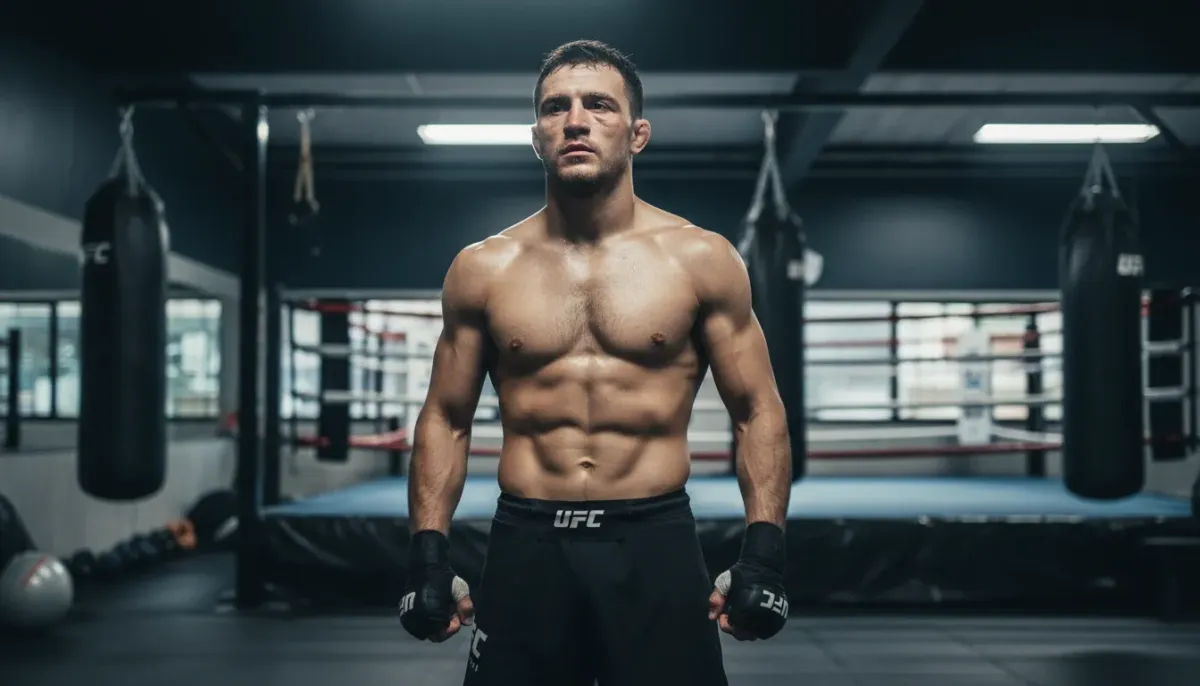
Max Holloway faced an unexpected and humbling experience at UFC 326, where his transition to the lightweight division encountered a significant obstacle. Against Charles Oliveira, the renowned striker found himself unable to implement his game plan, spending the vast majority of a grueling 25-minute battle on his back. While the lopsided defeat stung, Holloway's post-fight mentality revealed a competitor ready to learn and adapt rather than make excuses.
A Difficult Night Against Oliveira's Superior Grappling
The main event at UFC 326 painted a stark picture of how devastating a well-executed game plan can be. Holloway, a fighter whose legacy was built on relentless striking and unmatched activity, found himself virtually neutralized by Oliveira's wrestling prowess. The Brazilian dominated the fight with consistent takedowns, accumulating over 21 minutes of control time across the five rounds. This suffocating ground approach limited Holloway to just 26 significant strikes—a remarkable contrast to a fighter who holds the record for the most strikes landed in UFC history.
Holloway's inability to establish his rhythm proved crucial. The striking exchanges that have defined his career never materialized. Instead, Oliveira's tactical wrestling completely dictated the pace and nature of the competition. Despite the disappointment, Holloway acknowledged the reality with measured perspective, recognizing that his opponent simply prepared and executed a superior strategy.
The Lightweight Transition: Promises and Challenges
Motivation Behind the Weight Division Change
Holloway's decision to pursue a permanent move to the 155-pound lightweight division represented a calculated career shift. After years of dominance at featherweight, where he held championship glory, the fighter determined that the grueling weight cuts were no longer sustainable. The lighter frame that had served him well at 145 pounds came at a significant physiological cost. By moving up, Holloway could maintain his natural size and strength while competing against bigger opponents without the exhausting process of severe weight management.
Early Lightweight Success and the "BMF" Achievement
Before encountering Oliveira, Holloway demonstrated considerable promise in his new home. His knockout victory over Justin Gaethje at UFC 300 showcased explosive striking potential against elite lightweight competition. Subsequently, his intense battle against Dustin Poirier established him as a legitimate contender in the division. These performances earned him the "BMF" championship title, validating the decision to move up and suggesting he could compete with the division's best fighters. The Oliveira loss, therefore, represented an unexpected setback in what had appeared to be a successful transition.
Stylistic Mismatches and Defensive Vulnerabilities
Oliveira's approach exposed a critical weakness in Holloway's lightweight arsenal: his capacity to defend and escape elite-level wrestling. While Holloway remains an exceptional striker with superior cardio and fighting IQ, his grappling defense at 155 pounds requires significant refinement. The Brazilian's relentless takedown attempts weren't flashy or complicated—they were simply executed with precision and consistency, leveraging the physical advantages that come with proper weight distribution at the higher division.
This stylistic mismatch raises legitimate questions about whether Holloway's transition to lightweight is complete. Moving up in weight naturally brings opponents with different physical attributes and technical specializations. A fighter accustomed to dominating smaller opponents must develop new defensive strategies to handle elite grapplers who can impose their will through superior strength and positioning. The UFC 326 main event demonstrated that Holloway's developmental work in this area remains incomplete.
Holloway's Resilient Response and Future Intent
Despite losing decisively, Holloway's demeanor reflected a competitor unbowed by adversity. His post-fight commentary avoided excuses while demonstrating both humility and confidence. He vowed to return stronger and more prepared, promising to "come back and whoop somebody's ass" and reclaim his position in title contention. Notably, Holloway expressed a clear intention to face Oliveira again, suggesting that a potential rematch exists on the horizon.
This perspective matters significantly. Rather than questioning his ability to compete at lightweight, Holloway identified specific technical adjustments needed to address his opponent's strengths. Such recognition demonstrates the analytical mindset required for career longevity in elite-level competition.
Potential Pathways and Available Matchups
The lightweight division offers numerous compelling opportunities for Holloway's return. His marketability and fighting record ensure immediate access to high-profile opponents. Whether he pursues a rematch with Oliveira or seeks interim matchups against other elite lightweights, the UFC will likely accommodate booking requests from one of its most popular athletes.
The coming months will reveal whether Holloway addresses his defensive grappling deficiencies through focused training and adjustment. A future encounter with Oliveira, armed with improved wrestling defense and submission awareness, could unfold very differently than their UFC 326 meeting. Alternatively, matchups against other lightweight contenders could serve as valuable stepping stones while Holloway refines his complete skill set at 155 pounds.
Maintaining Elite Status Despite the Setback
One loss, regardless of its severity, cannot diminish Holloway's standing within the UFC ecosystem. His body of work, leadership qualities, and ability to headline major events maintain his value to the organization. The fighter remains among the most respected and beloved competitors on the roster, ensuring that a single defeat won't relegate him to obscurity or force him into lower-profile matchups.
What remains to be determined is whether Holloway can rapidly adapt his defensive wrestling and grappling awareness to become a complete lightweight competitor. His striking remains elite, his cardio exceptional, and his fighting intelligence undeniable. The missing element—adequate grappling defense against high-level wrestlers—is both fixable and critical. How thoroughly and quickly Holloway addresses this vulnerability will ultimately determine whether his lightweight chapter becomes a championship success story or remains defined by the Oliveira loss.