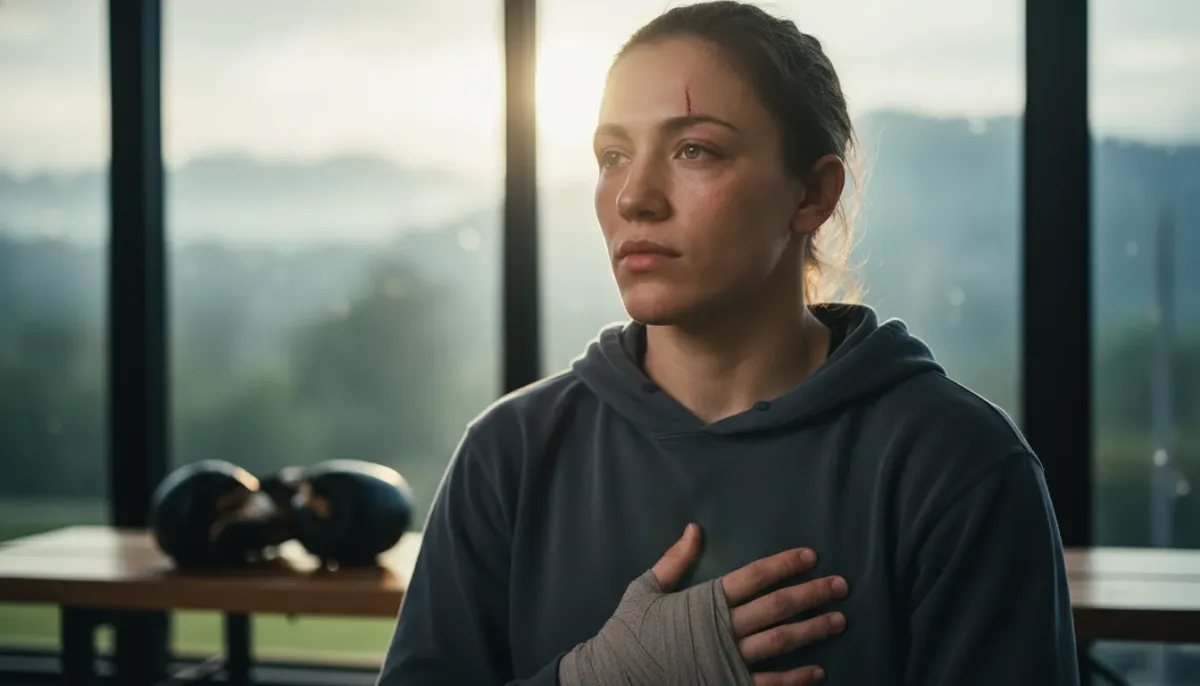
The mixed martial arts community witnessed a troubling moment at UFC Seattle when flyweight Maycee Barber found herself on the receiving end of a devastating knockout. In the aftermath of this brutal encounter, Barber has begun her recovery process while also addressing the incident publicly for the first time, offering insights into both her physical and emotional state following the traumatic finish.
The Moment Everything Changed at UFC Seattle
During the co-main event of UFC Seattle, Alexa Grasso orchestrated a knockout sequence that would alter the trajectory of Barber's career momentum. The sequence unfolded during an intense striking exchange when Grasso unleashed a powerful left hand that connected flush with Barber's chin. The impact sent Barber directly to the canvas with force, and before the ranked flyweight could recover, Grasso followed up with additional striking before attempting to secure a rear-naked choke submission.
The referee intervened swiftly to stop the contest, recognizing that the fight had already been decided by the initial combination. Barber remained unresponsive on the mat for several moments before eventually regaining awareness and sitting upright. She was subsequently transported from the arena to receive comprehensive medical evaluation and treatment for the injuries sustained during the brief but impactful exchange.
This defeat carried significant implications for Barber's standing in the flyweight division. She had been positioned within the top-10 rankings and was building momentum toward title contention. The loss abruptly halted a seven-fight winning streak, representing a considerable setback in her competitive trajectory.
Barber's First Public Statement: What She Revealed
Through an Instagram statement released on Sunday evening, Barber addressed the loss and provided candid commentary about her post-fight condition. Her message revealed that her memories of the actual fight were fragmented at best. She acknowledged struggling with the visual documentation of the incident, explaining that viewing replays on social media proved emotionally challenging given how the imagery portrayed her condition.
Despite the circumstances, Barber's statement demonstrated grace and professionalism. She expressed genuine gratitude toward both the UFC organization and Grasso for the competitive opportunity, acknowledging that her opponent performed exceptionally well during their encounter. Rather than dwelling solely on the loss, Barber emphasized her appreciation for the platform and the opportunity to compete at such a high level, even though the result fell short of her objectives.
Barber also made a conscious decision to limit her social media exposure during recovery, citing the difficulty of repeatedly encountering footage that highlighted her vulnerable state. This measured approach to managing her mental health during rehabilitation demonstrated maturity and self-awareness regarding her emotional needs during the healing process.
The Emotional and Mental Toll of a Brutal Finish
The psychological aftermath of experiencing a severe knockout extends beyond the immediate physical recovery required. Fighters often struggle with the haunting imagery of devastating losses, and Barber was transparent about this challenge. The proliferation of knockout footage across social media platforms meant that every time she accessed these channels, she encountered visual reminders of her traumatic experience.
This psychological dimension of injury is frequently overlooked in broader discussions about fighter safety, yet it represents a genuine and significant component of recovery. Barber's willingness to acknowledge this struggle shed light on the multifaceted nature of healing following high-impact trauma. Her decision to distance herself from social media during this period represented a pragmatic coping strategy.
The resilience required to process such a dramatic reversal demonstrates the mental fortitude necessary in combat sports. Beyond the physical pain and potential neurological effects, fighters must navigate the emotional weight of public scrutiny and visual documentation of their most vulnerable moments. Barber's transparent discussion of these challenges helps illuminate the often-invisible aspects of fighter welfare that extend well beyond the octagon itself.
Finding Perspective After Defeat
Perhaps most remarkable about Barber's response was her ability to contextualize the loss within a broader framework of her professional journey. Despite the traumatic nature of the knockout, she described the experience as among the greatest nights of her professional life. This perspective reflected her acknowledgment of the privilege inherent in competing at the UFC level against elite opponents.
Barber articulated that having the opportunity to step into competition and test herself against a fighter of Grasso's caliber represented something deeply meaningful, regardless of the outcome. She referenced having endured difficult periods in her personal life and career, which informed her ability to recognize the significance of her professional accomplishments even in defeat. This gratitude-centered approach to adversity suggested a maturity and philosophical perspective that transcended typical competitive narratives focused solely on winning and losing.
Her statement emphasized the importance of recognizing opportunities as inherently valuable components of a professional journey, independent of immediate results. This mindset provided her with a foundation for processing the loss without it defining her self-worth or professional identity.
The Road Back: Previous Setbacks and Medical Challenges
Barber's comeback narrative carried additional weight given her recent medical history. Prior to UFC Seattle, she had spent more than a year sidelined due to serious health concerns that required extended medical attention and treatment. The precise nature of these conditions had necessitated hospitalization and comprehensive medical intervention before she could safely return to competition.
In December, Barber achieved a significant milestone by defeating Karine Silva in her comeback fight, marking her return to competition after the extended absence. However, her trajectory toward rebuilding momentum faced complications when she was initially scheduled to face Erin Blanchfield several months prior. A medical emergency occurred immediately before that scheduled bout, forcing her back into medical care and requiring her to withdraw from the contest.
These setbacks meant that the UFC Seattle loss represented her third professional defeat in her tenure with the organization since signing in 2018. The combination of health challenges and this recent competitive setback created a complex recovery scenario that extended beyond typical physical rehabilitation. Barber's ability to return at all following her medical issues demonstrated considerable determination and resilience.
What's Next for the Flyweight Contender
Barber's statement included a clear commitment to recovery and future competition despite the reversal of her title contention trajectory. She expressed her intention to heal properly and return to rigorous training before stepping back into the octagon. This measured approach reflected the wisdom gained from her previous medical challenges, suggesting she would prioritize comprehensive rehabilitation over rushing back to competition.
The disruption of her seven-fight winning streak represented a significant obstacle to her title aspirations, yet Barber framed her career as a longer-term narrative rather than being defined by any single event. Her determination to rebuild and eventually reclaim her position among the division's elite contenders remained evident in her statement, suggesting that while this fight marked a setback, it would not determine her ultimate trajectory in the sport.
The timeline for her return remained uncertain, dependent largely on proper medical clearance and the rehabilitation process for injuries sustained during the knockout. Her stated commitment to thorough recovery suggested she would not compromise her health for the sake of competitive timeline considerations.
Industry Response and Fighter Welfare
The incident at UFC Seattle contributed to ongoing conversations within the combat sports community regarding fighter safety and recovery protocols. Grasso's post-fight status was confirmed through her boyfriend Oscar Herrera, who posted from the hospital indicating she was recovering appropriately. This mutual recovery narrative highlighted the physical toll that high-level competition demands from all participants.
The respect demonstrated between Barber and Grasso despite their competitive circumstances exemplified the professionalism present in elite mixed martial arts competition. Both fighters acknowledged the demands of their sport and the risks inherent to their profession. The broader takeaway from this incident reinforced the importance of comprehensive medical support, appropriate recovery protocols, and fighter welfare considerations that extend throughout the rehabilitation process following significant injuries.