The Long Absence and Return Timeline
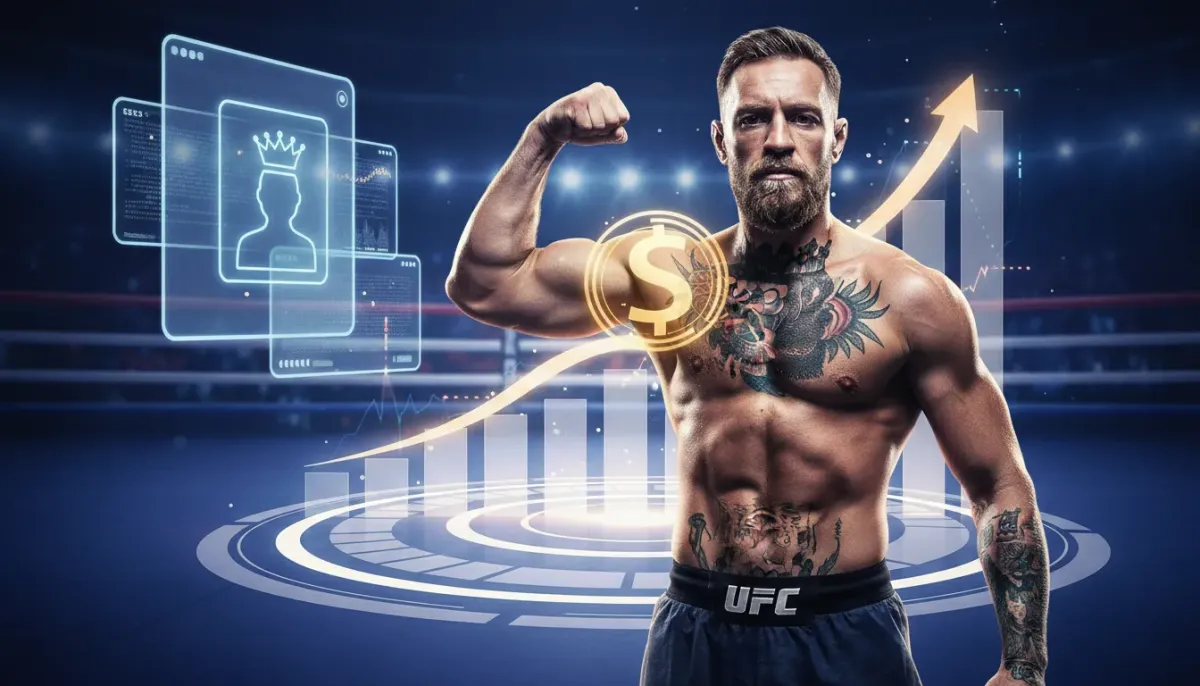
Conor McGregor has remained sidelined from competition for several years following a severe leg injury sustained during his encounter with Dustin Poirier. Despite this extended absence, the Irish fighter maintains optimistic momentum regarding a near-term return to active competition. Recent discussions with UFC management suggest that a comeback could materialize sooner rather than later, with International Fight Week emerging as a potential platform for his reentry. McGregor's approach demonstrates flexibility in negotiating fight timing and opponents, though his willingness to compete should not be confused with desperation. The fighter has made clear that he remains selective about the opportunities presented to him, prioritizing scenarios that align with both his competitive and financial interests.
A Transformed Financial Environment
The Shift Away from Pay-Per-View Revenue
The UFC's recent partnership with Paramount has fundamentally altered the compensation structure that once defined elite fighter earnings. The traditional pay-per-view model, which generated substantial revenue streams for top-tier athletes, has become largely obsolete in this new broadcast landscape. This transition represents more than a simple change in distribution method—it reflects a complete reimagining of how fighter value is calculated and compensated.
McGregor built his financial empire on his unmatched ability to drive pay-per-view purchases, consistently delivering over one million buys per event. This benchmark was rarely approached by other competitors, who typically generated several hundred thousand at best. In a streaming-based ecosystem, however, the metrics for success have shifted dramatically, creating uncertainty about how previous star power translates into contemporary compensation arrangements.
The Conor Benn Reference Point
The recent signing of boxer Conor Benn to a $15 million contract through Zuffa Boxing has become central to McGregor's valuation argument. McGregor questions the logic of offering such substantial compensation to a fighter with significantly less proven drawing power than himself. By invoking Benn's deal, McGregor effectively establishes a floor for what comparable athletes should expect in the modern landscape. His reasoning is simple: if Benn commands $15 million for one fight, what should a fighter with a proven track record of millions in viewership demand?
Deconstructing McGregor's Value Proposition
Historical PPV Performance as a Metric
McGregor's most compelling argument centers on his unrivaled commercial success under the previous payment model. He remains the only fighter in recent UFC history capable of consistently driving over one million pay-per-view buys. This achievement stands as a clear differentiator from every other active competitor. He emphasizes that other fighters typically achieve hundreds of thousands of buys at most, making his historical performance a relevant baseline for evaluating his contemporary worth.
Economic Inflation and Contract Precedent
Beyond discussing viewership metrics, McGregor highlights the practical reality of economic change since 2018, when he negotiated his last major contract. Inflation has affected every economic sector, from everyday consumer goods to entertainment rights and broadcast agreements. His contention is straightforward: a contract value established years ago should not serve as the permanent ceiling for compensation in an era of significant economic shifts. Just as wages across industries have adjusted upward to account for inflation, fighter compensation should reflect similar economic realities.
Content Value in the Streaming Landscape
McGregor frames his return through a broader commercial lens. For Paramount, his comeback represents more than just another fighter competing—it signifies potential record-breaking streaming viewership numbers and unprecedented engagement metrics. The content provider benefits directly from McGregor's ability to drive platform traffic and establish new audience records. This alignment of interests creates leverage in his negotiating position, as his return directly advances the promotion's strategic objectives in the streaming environment.
The "Free-Range Wagyu" Negotiating Strategy
McGregor describes himself as neither desperate nor dismissive of opportunities. His characterization of his position as "organic" and "free-range" reveals his mindset: while other fighters scramble for available slots, he maintains the luxury of selectivity. This positioning does not reflect arrogance but rather a realistic assessment of his market value. He has clarified that he is not categorically refusing offers, but rather waiting for opportunities that appropriately reflect his standing in the sport.
This patient approach suggests confidence that the right deal will eventually emerge. McGregor appears content to allow negotiations to develop naturally rather than accept unfavorable terms simply to return to competition. His leverage derives from his historical significance and the genuine commercial benefit his participation brings to any event or promotion.
Long-Term Ambitions Beyond a Single Return
Multi-Fight Strategy and Career Extension
Rather than viewing his comeback as a farewell appearance, McGregor has articulated ambitions for sustained competitive engagement across multiple fights. He has expressed confidence that modern training methodologies and recovery science will enable him to remain competitive at the highest levels well into his 50s. This perspective reflects genuine belief in his physical capabilities and recovery potential, rather than mere optimistic speculation.
Establishing Streaming Era Records
McGregor's stated objective extends beyond personal achievement. He seeks to "take over streaming rankings" and establish new performance records in the digital distribution model. This goal naturally aligns with Paramount's commercial interests, creating a symbiotic relationship where his personal success directly benefits the promotion's strategic position. Record-breaking streaming performance would validate both his continuing marketability and the UFC's transition away from traditional pay-per-view dependency.
Industry-Wide Implications
McGregor's compensation demands carry significance beyond his individual situation. His negotiating position effectively establishes benchmarks that other elite fighters will reference in their own contract discussions. While not every competitor possesses his historical PPV legacy or bargaining power, the precedent he sets through his negotiations will influence compensation structures across the fighter roster. Top-tier talent will increasingly leverage McGregor's claims about valuation in a streaming era to justify their own compensation expectations.
The outcome of these negotiations will likely shape fighter compensation models for years to come, potentially creating meaningful shifts in how the UFC evaluates and compensates its most valuable athletes in this new broadcast environment.