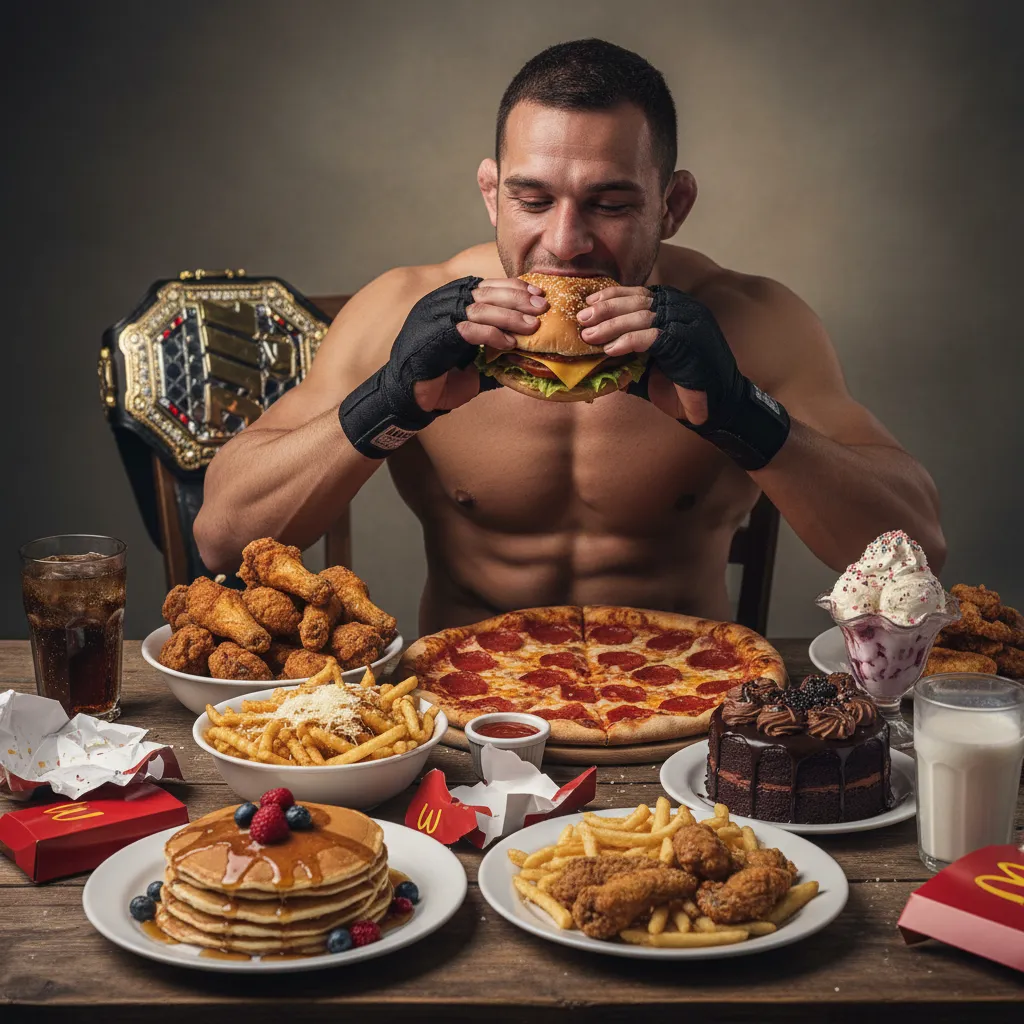
The period immediately following a competitive bout represents a unique chapter in a fighter's lifecycle. After weeks of rigorous training camps and carefully controlled nutritional regimens, combat athletes enter a phase where dietary restrictions are lifted and indulgence becomes not just acceptable but celebrated. This phenomenon offers fascinating insights into the physical demands of professional fighting and the psychological relief that comes with completing a bout.
The Tradition of Post-Fight Indulgence
Combat sports demand extraordinary discipline from competitors. During training camp, fighters adhere to strict nutritional protocols designed to optimize performance, maintain specific weight classes, and ensure peak physical condition. Every meal is calculated, every calorie counted, and dietary deviation is virtually unthinkable.
Once the final bell rings, however, an entirely different dynamic emerges. The post-fight period represents both a physical and psychological transition. Athletes transition from high-performance preparation to recovery mode, and with this shift comes freedom previously unavailable. For many fighters, food becomes more than mere sustenance—it transforms into a form of celebration, a tangible reward for the sacrifices made during preparation.
This pattern reflects the broader human experience of restricted behavior followed by release. The contrast between fight camp discipline and post-competition liberty creates a psychological reset that fighters value tremendously. The ability to enjoy meals without calculation or restraint serves as an important decompression mechanism in the demanding world of professional combat sports.
A Fighter's Food Tour: Real-World Example
Recent instances of post-fight eating in professional MMA have demonstrated just how enthusiastically fighters embrace dietary freedom. Following a significant bout, fighters commonly embark on multi-venue food expeditions throughout their hometowns, visiting establishments that hold personal significance.
The typical post-fight food tour encompasses remarkable variety. Fighters might consume multiple types of cuisine in rapid succession—sandwiches from specialty restaurants where they enjoy complimentary meals due to their celebrity status, followed by Chinese takeout, traditional full English breakfasts, and various pastries or desserts. The sheer volume and diversity of consumption becomes almost legendary within the combat sports community.
What makes these experiences particularly distinctive is their social component. Fighters often visit establishments owned or frequented by fellow athletes and friends within the fighting community, transforming food consumption into shared bonding experiences. These post-fight dining adventures serve multiple purposes simultaneously: they satisfy genuine hunger, provide psychological reward, enable social connection, and create memorable stories that become part of fighter mythology.
Weight Management and Recovery Metrics
Despite the enthusiasm around post-fight eating, professional fighters maintain awareness of actual weight fluctuations and recovery targets. Precise weight measurements reveal important information about an athlete's post-competition physiology and eating patterns.
Fighters typically document their weight during recovery periods, noting exact measurements in both kilograms and pounds. Interestingly, individual weight gains vary considerably based on previous patterns and current eating discipline. Some athletes demonstrate remarkable restraint even during post-fight periods, gaining modest amounts of weight compared to their theoretical potential.
The eating patterns themselves often involve concentrated meal consumption rather than continuous snacking throughout the day. Many fighters consume one substantial meal daily, supplemented by occasional snacks in evening hours. This pattern reflects both genuine appetite post-fight and maintained awareness of reasonable recovery protocols.
Weight fluctuations during recovery periods are generally accepted as normal and manageable within the fighter's division parameters. Athletes recognize the distinction between enjoyable temporary weight gain and excessive physical changes that would create difficulties for their next competitive cycle.
The Psychology Behind Post-Fight Eating Habits
Understanding post-fight eating requires examining the psychological mechanisms that drive this behavior. Combat sports represent profoundly demanding endeavors, requiring not just physical preparation but intense mental focus and emotional resilience.
Post-fight eating functions as a reward mechanism, representing tangible recognition of the athlete's sacrifice and performance. The transition from high-performance mindset to relaxation phase creates psychological space for indulgence. Fighters move from constant monitoring and self-discipline to explicit permission for unrestricted eating, which many describe as liberating.
What distinguishes mature fighter psychology is the measured approach to indulgence. Rather than completely abandoning awareness, most professional athletes maintain light consciousness of their consumption while avoiding guilt or excessive self-judgment. This perspective reflects confidence in their ability to manage their bodies and return to competition weight when necessary.
Professional Perspective on Weight Fluctuation
Elite fighters generally approach post-fight weight gain with acceptance and strategic awareness. They recognize that temporary weight increases following competition represent normal physiological responses to dietary unrestriction and recovery processes.
Most athletes maintain clear mental frameworks distinguishing acceptable recovery weight from problematic excess. For fighters operating in specific divisions, understanding the reasonable range for their body composition allows them to enjoy post-fight periods without anxiety. Weight management between bouts follows predictable timelines, with proper training camp protocols reliably returning athletes to competition weight.
This perspective demonstrates the confidence professional fighters develop regarding their bodies through years of weight cycling. Rather than viewing post-fight indulgence as threatening, experienced competitors recognize it as a manageable component of their overall training and competition cycle.
The Broader Context: Career Trajectory and Future Prospects
Post-fight eating habits and recovery patterns must be understood within the fighter's broader career context. Performance outcomes, win-loss records, and upcoming scheduling all influence how athletes approach recovery periods.
For fighters experiencing setbacks or unexpected losses, the recovery period takes on particular psychological significance. These moments provide opportunities for mental reset and preparation for future competition. The combination of physical recovery and psychological recalibration makes post-fight periods crucial for maintaining long-term competitive viability.
Career records and promotional standing influence future scheduling and opponent matchmaking, which in turn affects how fighters structure their training and recovery cycles. Understanding an athlete's position within their division and their trajectory within the promotion provides important context for evaluating their current approach to recovery and preparation for upcoming bouts.