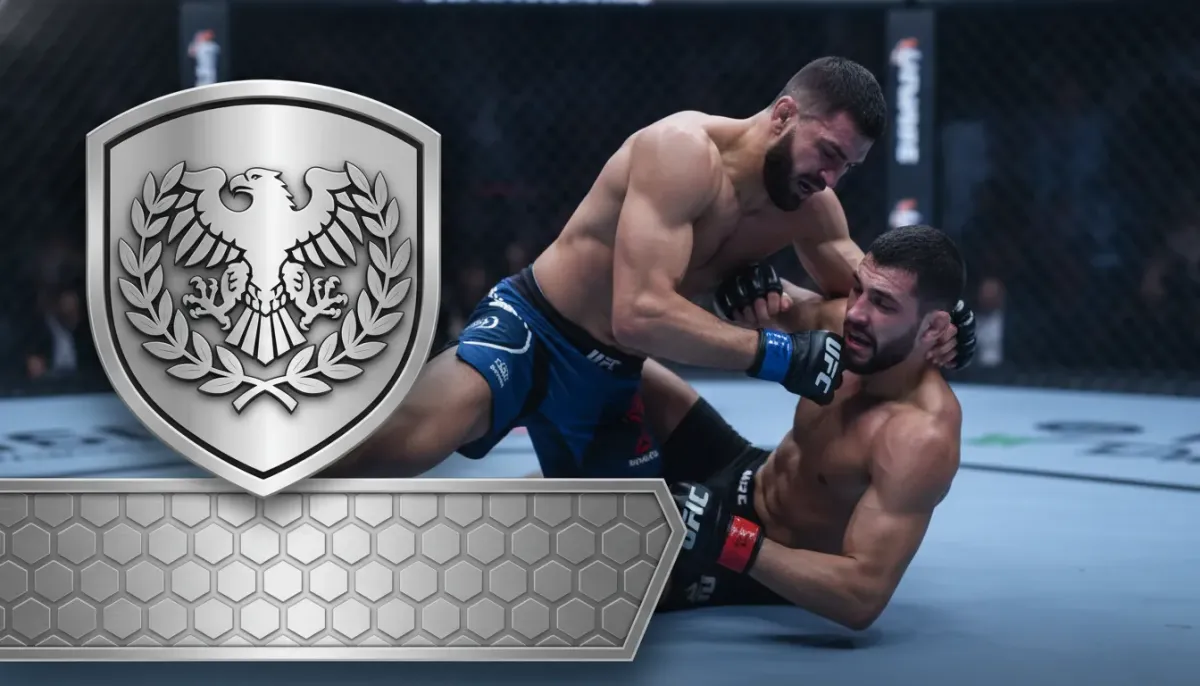
A Battle Between Championship Pedigree and Rising Talent
UFC Vegas 116 delivered a significant statement as Aljamain Sterling faced Youssef Zalal in a featherweight main event that carried major implications for the divisional hierarchy. Sterling, the former bantamweight champion, brought proven championship experience to the octagon, while Zalal represented the next wave of elite featherweight contenders looking to establish himself among the division's elite.
Sterling's transition to the 145-pound division has been marked by largely positive results, with his primary setback being a closely contested decision loss to Movsar Evloev. The veteran rebounded impressively by defeating Brian Ortega, a two-time title challenger, demonstrating his ability to compete at the highest levels of the featherweight ranks. Zalal, conversely, had reinvigorated his UFC career following an earlier release, returning stronger with five consecutive victories and four submission finishes. This matchup represented both fighters' opportunity to position themselves for championship contention.
Opening Frame: Sterling Establishes Wrestling Dominance
From the opening bell, Sterling's strategy became apparent—apply relentless pressure and dictate the action through wrestling. Despite Zalal's physical advantages in reach and height, Sterling moved forward with conviction, throwing low kicks and working to back up his younger opponent. The striking exchanges remained competitive early, with Zalal's jab keeping Sterling at distance and forcing the veteran to adjust his approach.
A critical moment arrived when both fighters kicked simultaneously, with Sterling's calf kick landing more effectively and sending Zalal to the canvas. Sterling capitalized immediately, establishing top control in half guard. What followed was an intense grappling sequence that showcased Zalal's submission acumen—he threatened with an omaplata, then a triangle choke—but Sterling's experience and positional awareness allowed him to navigate the danger and survive the round having established clear dominance on the ground.
The Middle Rounds: Control and Methodical Offense
Sterling's dominance escalated as the fight progressed into the second and third rounds. The veteran continued forcing clinches and transition takedowns, controlling the pace entirely. A pivotal sequence emerged when Sterling established back control and applied a devastating body triangle, a position from which he could deliver strikes while simultaneously threatening a choke. Zalal's defensive scrambles, while technically sound, couldn't break Sterling's superior positioning and conditioning.
In the third round, Zalal nearly caught Sterling in a tight guillotine choke during a scramble, creating a brief moment of danger for the veteran. Sterling, however, demonstrated the experience advantage by escaping and regaining top control. The pattern remained consistent throughout—whenever Zalal attempted submission offense, Sterling's ability to posture, break grips, and reestablish dominance proved decisive. The physical toll of defending from the bottom against an experienced wrestler began showing on Zalal as the rounds progressed.
Championship Rounds: The Clincher
As the fight entered the final two rounds, Sterling's superiority became undeniable. The veteran pressed forward relentlessly, mixing takedowns with aggressive clinch work and ground-and-pound. Multiple times Sterling secured Zalal's back with body triangles, controlling over two minutes in round four alone while delivering consistent strikes. Zalal's attempts to escape or implement submissions found fewer openings as fatigue set in.
Sterling displayed veteran awareness, managing the clock and understanding exactly what he needed to do to secure victory. His pressure never ceased, his clinches remained tight, and his ground positioning prevented Zalal from ever finding the space necessary to unleash his submission arsenal. When the final horn sounded, Sterling stood over his opponent, smiling and celebrating a comprehensive victory that left no doubt about his performance quality.
Post-Fight Statements and Championship Aspirations
Sterling's post-fight interview immediately signaled his championship intentions. With direct callouts to Movsar Evloev and Alexander Volkanovski, Sterling made clear his desire to fight at the highest levels of the featherweight division. He emphasized his awareness of his age and limited time remaining at the elite level, framing every victory as a crucial step toward securing championship gold.
Zalal, despite the loss, conducted himself with professionalism and respect. He acknowledged Sterling's superior wrestling and quality, while expressing his enjoyment of competition and commitment to returning stronger. His five-fight winning streak ended, but the loss to an elite opponent serves as valuable experience for a fighter still ascending in the division's hierarchy.
Implications for the Featherweight Title Picture
This victory substantially strengthens Sterling's position as a legitimate title contender at 145 pounds. At 37 years old, every performance carries heightened significance as he races against time to secure championship gold. The featherweight division remains competitive, with Evloev and Volkanovski representing significant obstacles on Sterling's path to the belt. Sterling's tactical wrestling display against a dangerous submission artist demonstrated his ability to execute game plans effectively against diverse fighting styles.
For Zalal, the defeat represents a learning opportunity against elite-level wrestling rather than a career-defining setback. His overall trajectory remains positive, and future opportunities at featherweight remain abundant for a fighter possessing his technical submission skills and physical tools. The division's depth ensures both competitors will remain relevant in title conversations moving forward.