The Perth Performance That Changed Everything
Tai Tuivasa encountered one of the most challenging moments of his professional mixed martial arts career at UFC Perth, where he faced Louie Sutherland in a bout that saw the Australian heavyweight heavily favored to secure victory. Despite the expectations surrounding the matchup, with Sutherland stepping in on short notice, Tuivasa's performance fell dramatically short of what observers anticipated.
The fight unfolded with a clear tactical pattern favoring Sutherland, who repeatedly utilized takedown techniques to neutralize Tuivasa's striking advantages. Throughout the three-round encounter, the short-notice replacement fighter maintained substantial ground control, spending the majority of the 15 minutes dictating the action from the top position. When Tuivasa managed to return to his feet, he struggled to generate meaningful offensive output, only to find himself returned to the canvas repeatedly by Sutherland's consistent grappling attacks.
The evening deteriorated further when Tuivasa received a point deduction late in the fight for an illegal knee, a costly mistake that underscored his mounting frustration. The judges rendered a unanimous decision in favor of Sutherland, marking the newcomer's first UFC victory while simultaneously extending Tuivasa's losing streak to seven consecutive defeats.
A Fighter's Raw Honesty: Breaking Down Tuivasa's Statement
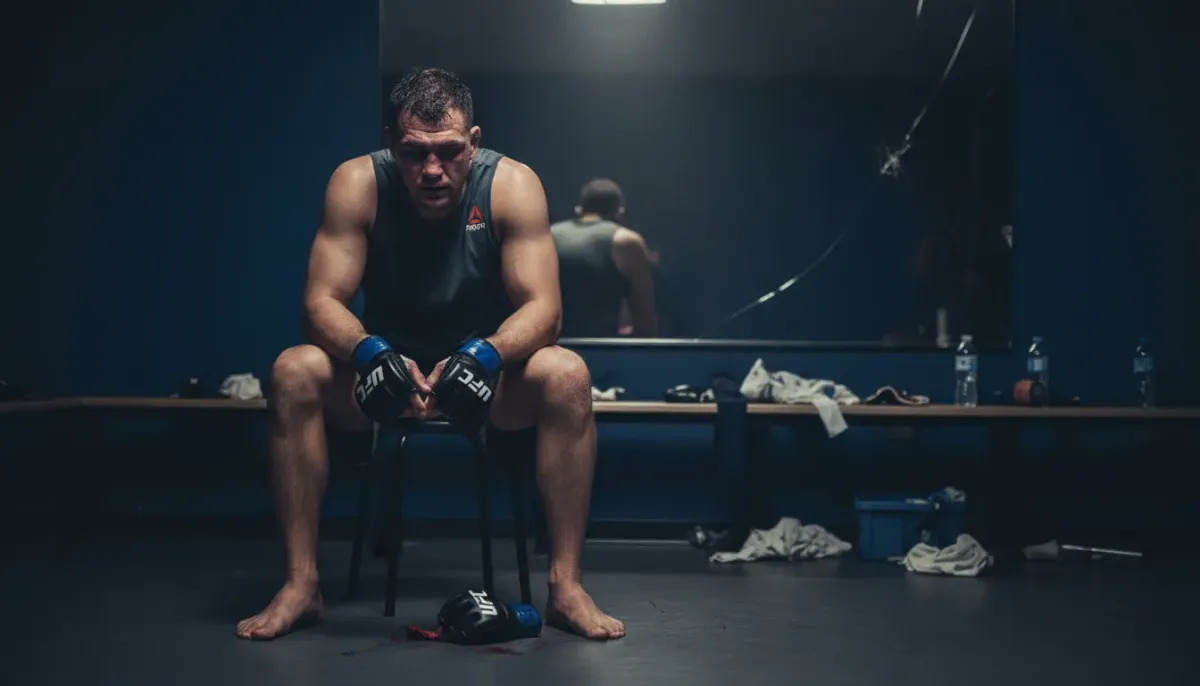
In the immediate aftermath of his loss, Tuivasa addressed the situation with notable candor. Taking to social media, he released a statement that revealed both his emotional state and his acceptance of responsibility. "I felt good. I put in the work. Didn't get the result," he conveyed to his supporters, acknowledging that despite adequate preparation, the execution simply wasn't there.
The fighter's message resonated with authenticity, as he expressed genuine disappointment toward his loyal fanbase. Tuivasa made clear that he blamed no one but himself for the performance, refusing to make excuses despite the circumstances. His words carried weight when he declared his unwillingness to surrender, stating that his Western Sydney background meant that only a knockout could stop him from continuing his pursuit.
This transparency demonstrated a fighter grappling with the harsh realities of competitive combat sports, where preparation and intention don't always translate into favorable outcomes. His commitment to his supporters and team remained evident throughout his public reflection on the defeat.
The Road to Seven: How a Once-Promising Career Derailed
Tuivasa's current predicament didn't materialize overnight but rather represents a prolonged struggle that began several years prior. The consecutive losing streak has fundamentally altered the trajectory of what was once considered a promising heavyweight career. After suffering his fifth consecutive loss, Tuivasa contemplated retirement entirely, wrestling with the emotional and physical toll of sustained defeats.
Rather than permanently stepping away from the sport, he chose to take an extended hiatus lasting more than a year, hoping that rest and renewed focus would restore his competitive edge. His return to action against Tallison Teixeira in February brought initial optimism, but that bout similarly ended in disappointment with another decision loss. Undeterred by this setback, Tuivasa quickly committed to fighting again on the Perth card, demonstrating a willingness to remain active despite recurring unfavorable results.
The pattern emerging from this sequence reveals consistent technical deficiencies in grappling defense and the ability to generate offensive pressure during striking exchanges. These recurring issues have compounded throughout his losing streak, suggesting deeper tactical or adaptive challenges that mere additional training may not fully address.
What Went Wrong Against Sutherland
The technical breakdown of the Perth contest provides insight into Tuivasa's ongoing struggles. Sutherland's tactical approach centered on a straightforward but effective strategy: utilize takedown attempts to neutralize the Australian's striking power, then maintain top position to accumulate control time and damage.
From a technical standpoint, several factors contributed to Tuivasa's inability to counter this approach:
- Inconsistent takedown defense allowing repeated successful grappling sequences
- Limited offensive output during the brief striking exchanges where he regained his feet
- Poor positional awareness resulting in failed escape attempts from bottom position
- Mental fatigue appearing to compound technical deficiencies as the fight progressed
The cumulative effect of these issues meant that Sutherland dictated nearly every aspect of the bout, leaving Tuivasa without meaningful opportunities to showcase the power that once defined his career.
The UFC's Dilemma: What's Next for Tuivasa
The promotion now faces a complex decision regarding Tuivasa's future within the organization. Under standard UFC roster management practices, fighters rarely receive more than a few consecutive losses before facing potential release. However, Tuivasa has maintained a special status as a longtime fan favorite, which has granted him considerably more latitude than most underperforming athletes receive.
This extended tolerance reflects the value that recognizable personalities bring to the sport beyond pure win-loss records. Yet seven consecutive defeats represent an unprecedented challenge to even the most forgiving organization's patience. The question now centers on whether the UFC will offer another opportunity or whether this losing streak has finally exhausted whatever goodwill Tuivasa has accumulated over his career.
Moving forward, his path remains uncertain, with significant questions about whether he continues competing at the highest level or whether a transition to less demanding competitive settings becomes necessary for his career's preservation and personal wellbeing.