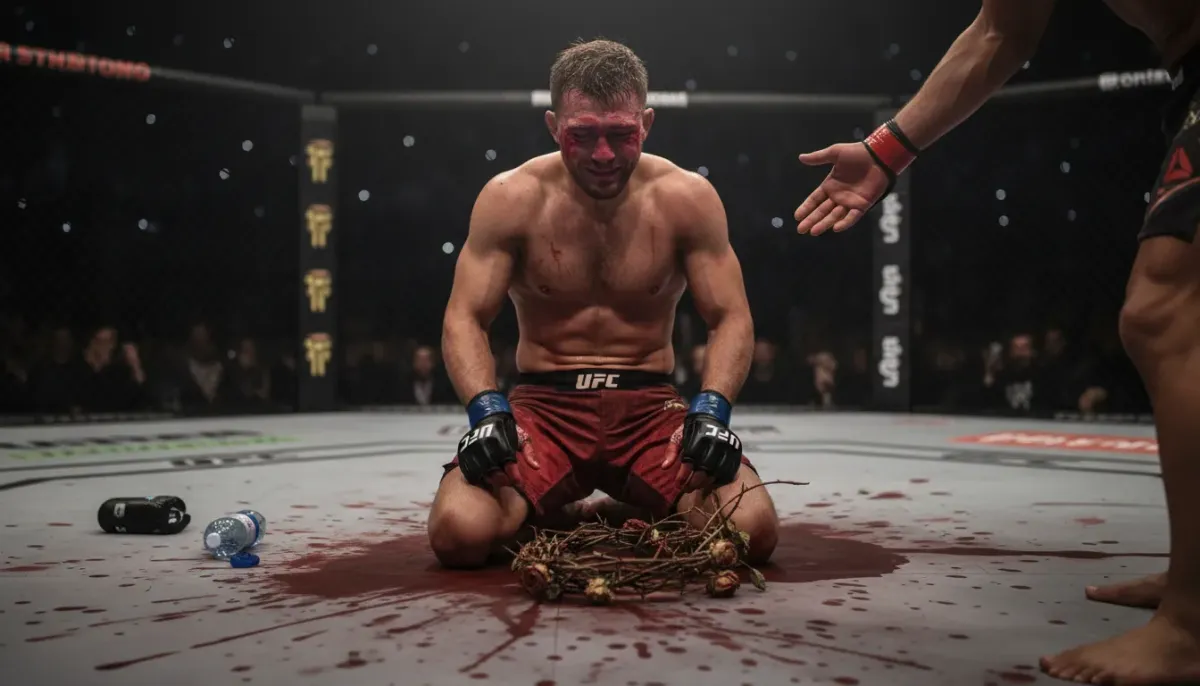
The light heavyweight title match at UFC 327 delivered one of combat sports' most shocking conclusions, leaving viewers and analysts questioning the fine line between fighter's instinct and human compassion. Jiri Prochazka, the former champion, walked away from Miami without the belt he believed he had already claimed—a loss that would haunt him not for its violence, but for the mercy he extended at the crucial moment.
When Sportsmanship Backfired in the Octagon
Professional combat sports exist in a unique space where split-second decisions determine outcomes worth millions and legacies built over years. The UFC 327 main event exemplified this tension perfectly. Prochazka faced Carlos Ulberg for the vacant light heavyweight title, and despite starting the fight strongly, he encountered a turning point that would alter the trajectory of the contest and his championship aspirations.
What unfolded was a dramatic narrative that forced the MMA community to confront uncomfortable questions about fighter mentality. In the moments following a sudden injury to his opponent, Prochazka made choices that contradicted everything championship-level fighting demands. His subsequent loss and candid admission about showing restraint sparked widespread discussion about whether compassion has a place in the professional octagon.
Reading the Opponent's Vulnerability
The Knee Injury That Changed Everything
Early in their encounter, Ulberg suffered a severe knee injury that dramatically compromised his mobility. The moment became pivotal—Prochazka immediately recognized his opponent was operating with essentially one functional leg, a massive physical disadvantage in mixed martial arts. The injury appeared consistent with anterior cruciate ligament damage, a career-threatening concern for any fighter.
From a tactical perspective, this vulnerability represented a clear opportunity. Ulberg could barely support weight on the injured limb, limiting his footwork, stance stability, and defensive capabilities. Most elite fighters would view this situation as the moment to capitalize aggressively and finish the bout decisively.
The Tactical Dilemma
Rather than launching an all-out assault, Prochazka adopted a curious approach. He targeted Ulberg's opposite leg with strategic attacks and repeatedly invited his opponent to stand and exchange strikes—an unusual invitation when dealing with someone whose mobility was severely restricted. More tellingly, Prochazka avoided aggressive takedown attempts that would have been devastatingly difficult to defend against from someone operating on one reliable leg.
This restraint represented a departure from championship fighting fundamentals. When an opponent presents such vulnerability, the professional expectation is to exploit it fully and completely. Prochazka's hesitation suggested something other than tactical calculation was influencing his decisions in the cage.
The Knockout Nobody Saw Coming
A Counter Strike for the Ages
Despite his compromised physical state, Ulberg demonstrated remarkable resilience and fighting intelligence. As Prochazka pressed forward with measured attacks, the injured challenger created distance by backing toward the cage. In this defensive position, Ulberg saw an opening and unleashed a devastating counter left hook that caught Prochazka flush.
The strike landed with tremendous force, dropping the former champion to the canvas immediately. Additional follow-up punches sealed the outcome, and Ulberg claimed the vacant light heavyweight title through one of combat sports' most improbable finishes. The victory became instantly legendary not for its technical excellence, but for its sheer unlikelihood—a fighter winning championship gold while functionally compromised.
The Immediate Aftermath
Prochazka's post-fight demeanor told the story clearly. His visible dejection and emotional response conveyed something beyond typical post-loss disappointment. During his in-cage interview, the former champion made a startling admission, stating he felt mercy for his opponent and intentionally refrained from pursuing a finish despite having overwhelming tactical advantages.
His candid words resonated throughout the combat sports community. Prochazka didn't blame the loss on superior technique or unexpected counters—he blamed himself for not maintaining the killer instinct necessary at championship level.
Confronting the Reality of the Loss
Hospital Reflections and Social Media Confession
Following the knockout, Prochazka traveled to a local Miami medical facility to have his jaw evaluated. While receiving medical attention, he composed an Instagram statement that reinforced and expanded his in-cage comments. He described his mercy as stupid and expressed disbelief at his own decision-making under pressure.
The fighter explicitly acknowledged that the bout belonged to him—that victory was within his grasp and he voluntarily relinquished it. His request for a rematch demonstrated both his desire to correct the mistake and his confidence that circumstances had, in fact, favored him before the final exchange.
The Mental Game in MMA
Prochazka's candid reflections illuminated the profound psychological complexity underlying professional fighting. Championship-level combat requires cultivating a ruthless mentality, yet fighters remain human beings capable of empathy and compassion. Prochazka's statements revealed how these elements can conflict catastrophically in high-pressure moments.
His situation raises fundamental questions about fighting mentality: Can professional athletes afford emotional restraint? Does recognizing an opponent's suffering have a place in championship sport? These questions lack easy answers, but Prochazka's experience provided a costly real-world lesson.
Career Implications and Title Fight Record
A Troubling Pattern at the Top
This defeat dropped Prochazka's record in championship fights to an alarming 1-3 during his UFC tenure. The loss followed two previous championship defeats to former light heavyweight champion Alex Pereira, establishing a pattern of struggle when titles are on the line. The accumulating evidence suggested difficulty maintaining peak performance in the highest-stakes scenarios.
For a fighter of Prochazka's skill and experience, such a record at championship level raises questions about his viability as a consistent title contender. The losses themselves were manageable, but this particular defeat stung differently because the fighter publicly acknowledged he had been the better competitor in the cage.
What's Next for the Former Champion
Prochazka expressed desire for rematch consideration, citing his belief that he had truly won the contest. Whether the promotion grants this request remains uncertain, as rebuilding title opportunities typically requires consecutive wins. His path forward likely involves fighting down the rankings to reestablish momentum and prove he remains championship material despite the recent setback.
Ulberg's Pyrrhic Victory
Winning With a Blowout Knee
Ulberg's triumph came with a heavy physical price. The newly crowned light heavyweight champion admitted he had severely damaged his knee during the contest, with medical assessment suggesting a torn anterior cruciate ligament. Such injuries typically require surgery and extensive rehabilitation, potentially sidelining athletes for extended periods.
The contrast between his achievement—becoming UFC champion—and his medical condition created an unusual narrative. Ulberg had reached the pinnacle of his sport while simultaneously incurring one of combat sports' most serious injuries.
A Title Reign in Jeopardy
The severity of Ulberg's knee damage creates significant uncertainty regarding his ability to defend the newly won belt. Championship obligations typically require title defenses within reasonable timeframes, but an athlete recovering from major knee surgery may face lengthy rehabilitation. This situation potentially leaves the light heavyweight division without an active champion during Ulberg's recovery, creating complications for promotional scheduling and fighter rankings.
Lessons from UFC 327's Main Event
The Cost of Restraint in Combat Sports
Prochazka's situation sparked broader conversation about fighting culture and expectations. Professional MMA demands finishing instinct and aggressive exploitation of opponent vulnerabilities. Yet the sport also emphasizes respect and sportsmanship between competitors. When these values collide—as they did dramatically in Miami—the results can be devastating.
Why This Moment Resonates
The UFC 327 main event resonated throughout the combat sports community because it illustrated how championship outcomes sometimes depend less on technique than on mental fortitude and decision-making under pressure. Prochazka's transparent admission about his choices gave fans and analysts rare insight into the internal conflicts experienced by elite fighters facing crucial moments. His loss became a teaching moment about the unforgiving nature of professional combat sports.