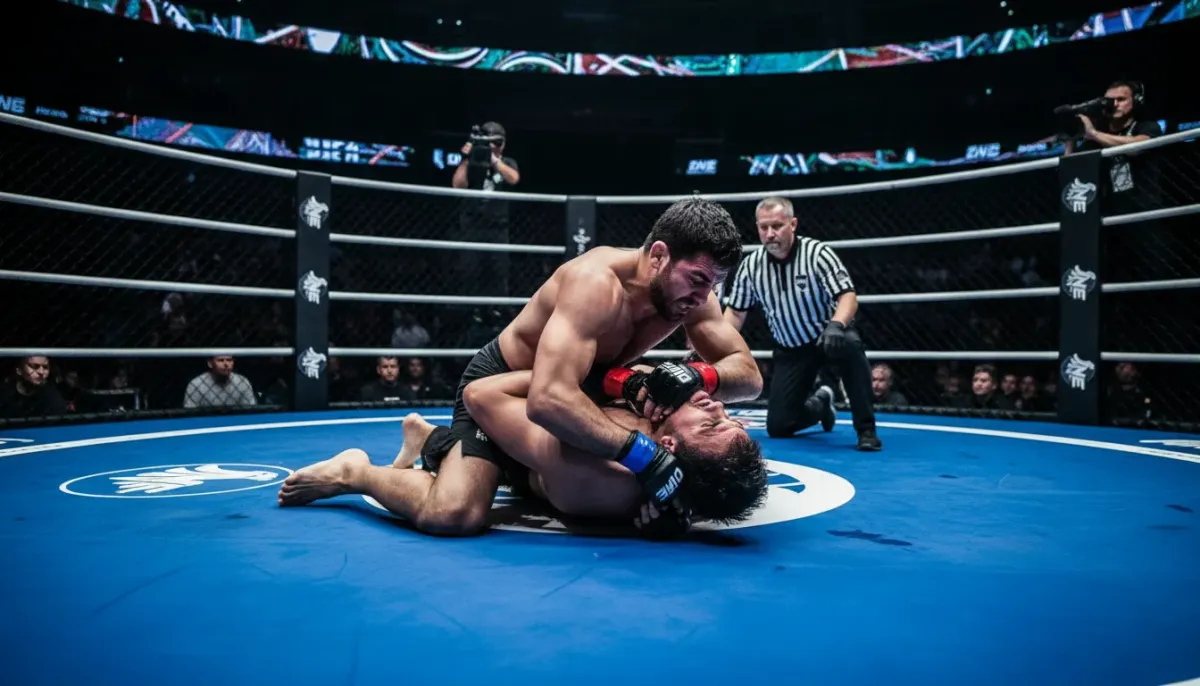
The Match Setup – Size and Experience Prevail
The submission-only grappling competition at Hype Brazil took place at the Farmasi Arena in Rio de Janeiro, providing an exciting platform for elite grapplers to showcase their skills outside traditional MMA formats. This specific matchup featured an interesting dynamic: Arman Tsarukyan, a highly-ranked UFC lightweight, competed against Muhammad Mokaev, a former UFC flyweight. The physical disparity between the two athletes would prove to be a significant factor throughout the contest.
Tsarukyan's Submission Grappling Showcase
For Tsarukyan, this Hype Brazil appearance represented yet another opportunity to test his grappling abilities in a dedicated submission wrestling format. The 29-year-old competitor brought his considerable size advantage and technical prowess to the main event, positioning himself as the clear favorite entering the bout. Fighting in a pure grappling context allowed Tsarukyan to focus exclusively on positional control and submission techniques without the complexities of striking exchanges. His participation in such events demonstrates a commitment to cross-training and skill refinement that extends beyond his primary UFC commitments.
Mokaev's Challenges Against a Larger Opponent
Muhammad Mokaev entered the match facing a substantial size disadvantage, having previously competed at flyweight in the UFC. Despite this challenge, Mokaev demonstrated competitive spirit and strategic awareness, repeatedly attempting to establish or re-establish his guard position whenever possible. His defensive approach focused on survival and position management, recognizing that avoiding submissions would be his best path forward. However, the significant difference in physical dimensions would ultimately limit his defensive options as the match progressed.
How the Fight Unfolded – Relentless Pressure Strategy
The tactical approach employed by Tsarukyan throughout this submission grappling match centered on constant, unrelenting pressure combined with calculated attacks. Rather than rushing for submissions, he methodically advanced his position through superior strength and technique, systematically dismantling Mokaev's defensive structures.
Tsarukyan's Attacking Gameplan
From the opening moments, Tsarukyan leveraged his physical advantages and superior size to dictate the pace and positioning of the match. His strategy emphasized never allowing Mokaev moments of reprieve, maintaining consistent pressure that gradually wore down his opponent's resistance. This approach showcased excellent grappling fundamentals, as Tsarukyan avoided overcommitting to submissions when positions weren't fully developed, instead prioritizing dominant control positions that would eventually create better submission opportunities.
Mokaev's Defensive Efforts
Throughout the bout, Mokaev showed considerable determination, continually working to escape inferior positions and restore his guard. His defensive efforts highlighted the technical challenges of facing a significantly larger and stronger opponent in a pure grappling context. Despite his best efforts to manage distance and position, the gap in physical attributes made sustained defense increasingly difficult as the match extended.
The Decisive Moment
Approximately seven minutes into the match, Tsarukyan successfully worked his way to Mokaev's back, establishing the position that had become inevitable given the match's trajectory. Once secured behind his opponent, Tsarukyan smoothly transitioned into a rear-naked choke, one of the most effective submissions in grappling. With the choke properly locked, there was no escape—Mokaev was forced to either submit or lose consciousness. The technical execution was clean and decisive, ultimately resulting in Mokaev being put to sleep and the match ending decisively in Tsarukyan's favor.
Beyond Hype Brazil – Tsarukyan's Ambitious Grappling Schedule
This victory at Hype Brazil adds to an impressively active competition calendar for the UFC lightweight. Tsarukyan has embraced opportunities to compete in multiple submission grappling events and RAF competitions throughout the year, establishing himself as one of the most active fighters in alternative grappling formats.
An Active Campaign
Tsarukyan's participation in numerous submission grappling matches demonstrates his commitment to continuous development and competitive engagement. The UFC has been supportive of allowing fighters like Tsarukyan to compete outside the octagon, recognizing the benefits such competition provides for fighter skill development and overall athleticism. His involvement in multiple competition formats—including both submission grappling and additional RAF events—showcases a fighter eager to test himself consistently and maintain peak competitive conditioning.
Future Aspirations and Callouts
Following his victory at Hype Brazil, Tsarukyan expressed ambitions toward pursuing UFC title opportunities, including the BMF Championship. He specifically called out potential opponents including Dillon Danis and Charles Oliveira, signaling his willingness to accept challenging matchups. Whether those titles materialize or not, Tsarukyan made clear his preference for continuing appearances at Hype events, viewing them as valuable platforms for showcasing his complete grappling skill set while remaining active between major UFC obligations.
What's Next for Tsarukyan
With the Hype Brazil victory secured, Tsarukyan's immediate focus shifts toward additional competition already scheduled for the coming weeks.
Immediate Commitments
The fighter faces a rematch against Georgio Poullas at RAF 7, scheduled for later in the month in Tampa, Florida. This return match provides an opportunity to potentially settle any remaining questions from their initial encounter, continuing Tsarukyan's pattern of high-frequency competition across multiple grappling and combat sports formats.
Long-Term Career Trajectory
As Tsarukyan continues building his resume through diverse competitive experiences, he positions himself as a well-rounded martial artist and serious contender in the lightweight division. The strategic value of continuous grappling competition lies in skill sharpening and maintaining fighting awareness during periods between UFC events. This approach demonstrates forward-thinking career management, as persistent activity across multiple platforms keeps fighters sharp while building momentum toward significant UFC opportunities.