Introduction: A Dominant Performance Overshadowed by Debate
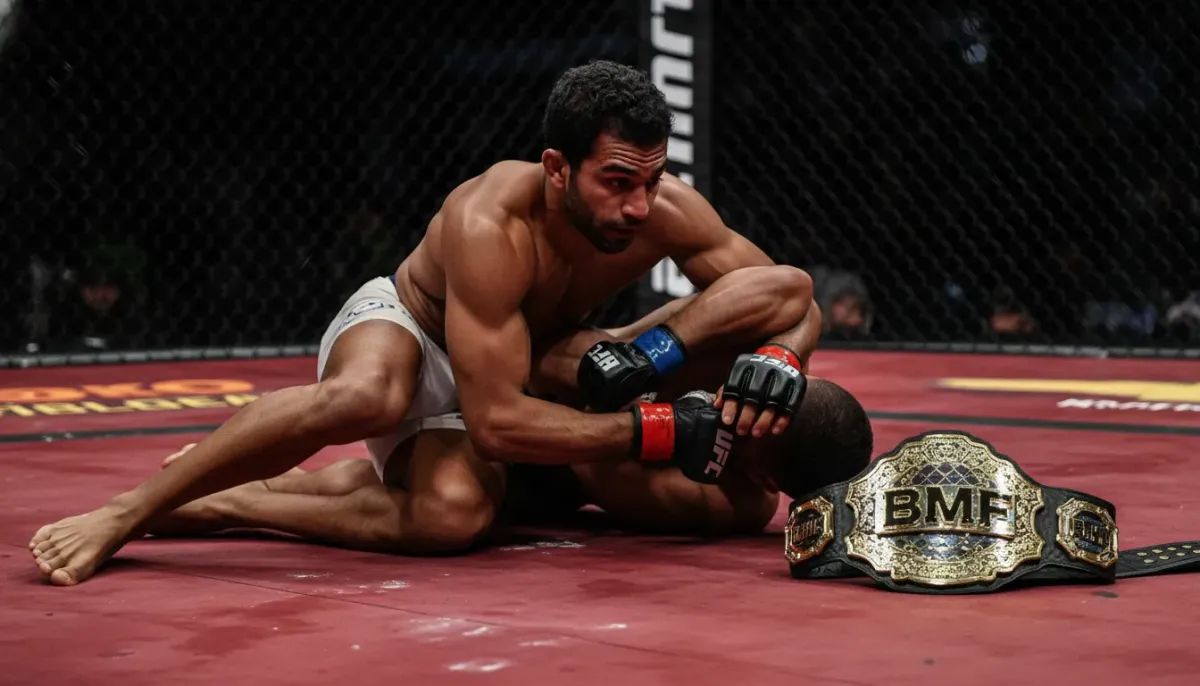
UFC 326 delivered an impressive display of technical dominance, yet sparked significant discussion about the viability of one of mixed martial arts' most contested championships. Charles Oliveira's complete control over Max Holloway throughout their 25-minute BMF title bout left fans divided. While "Do Bronx" demonstrated elite-level grappling and wrestling prowess, the fight itself departed from the entertaining spirit that originally made the BMF title compelling. This raises an important question: can a championship designed primarily around entertainment deliver consistent excitement, or has the format simply outlived its effectiveness?
Oliveira's Wrestling Masterclass: Impressive But Divisive
The Dominant Statistics
Charles Oliveira executed a wrestling clinic against one of the sport's most respected strikers. The performance statistics underscore the level of control he maintained—Max Holloway managed to land only 26 significant strikes across the entire 25-minute duration. For a fighter of Holloway's striking pedigree, this represents an historically dominant performance. Oliveira's control from top position, combined with relentless grappling exchanges, left Holloway with limited offensive opportunities throughout all five rounds.
Tactical Victory Over Entertainment
Oliveira made a deliberate strategic choice to prioritize winning over spectacle. His wrestling-heavy approach proved tactically sound and ultimately secured him the BMF title. However, this pragmatic style contradicted the fundamental purpose the BMF championship was designed to represent—fights characterized by explosive striking exchanges, foot-forward combat, and competitive spirit. The disconnect between Oliveira's game plan and audience expectations highlighted a growing tension within the BMF concept itself.
Wrestling as Natural Expression
Critics overlooked a fundamental reality: Oliveira ranks as the most prolific submission artist in UFC history. His gravitational pull toward grappling exchanges represents his natural competitive expression, not a deliberate rejection of fan preferences. Yet the BMF title seemed to demand something different—a willingness to engage exclusively in hand-trading exchanges that contradicted his core strengths.
The BMF Title's Identity Crisis
From Grassroots Concept to Corporate Product
The BMF championship emerged as a one-time celebration of fighting spirit and authentic swagger. The concept thrived when it felt organic, unexpected, and driven by genuine fighter and fan enthusiasm. However, once the UFC formalized it as a recurring championship, the dynamic shifted fundamentally. Fighters began campaigning for opportunities, transforming something authentically rebellious into another corporate-managed piece of hardware designed to fill broadcasting schedules and drive Paramount+ viewership.
The Stand-and-Bang Formula Problem
The BMF title became synonymous with stand-up striking warfare—two fighters willing to exchange strikes intensely until one capitulated. Early iterations of the championship delivered on this promise, creating genuinely memorable moments. Yet UFC 326 exposed a critical structural flaw: the title cannot guarantee or enforce a specific fighting style. It cannot force elite athletes to abandon their natural strengths and established expertise in pursuit of entertainment metrics.
When Magic Becomes Merchandise
The championship's rebellious charm dissipated the moment the UFC began treating it as any other title, complete with marketing pushes, predetermined scheduling, and integration into corporate broadcast calendars. The authenticity that made the BMF title appealing evaporated once profit motives took priority over organic competition.
What Comes Next for the BMF Title?
The Case for Strategic Hiatus
Many industry observers and analysts argue the BMF title requires an extended break—potentially permanent retirement. Rather than forcing the championship into another main event slot, the UFC could benefit significantly from shelving it until a matchup naturally emerges that captures the same organic spark that made the concept initially appealing. This approach would restore scarcity and genuine value to the title.
Oliveira's Actual Championship Priorities
For Oliveira, the BMF belt represents a trophy for his case rather than his ultimate professional objective. His genuine focus remains fixed on pursuing the undisputed lightweight championship currently held by Ilia Topuria. A potential vacant title fight against Arman Tsarukyan would offer Oliveira a significantly more meaningful career trajectory than defending a secondary championship that no longer resonates meaningfully with the fanbase.
Holloway's Career Crossroads
Age and Experience Accumulation
At 34 years old and approaching 35, Max Holloway has compiled one of mixed martial arts' most impressive professional records. Yet this decisive loss introduces uncomfortable questions about his remaining competitive window at lightweight. The magnitude of this defeat suggests Holloway may have discovered his ceiling at 155 pounds, particularly against wrestlers with size advantages.
Potential Weight Class Adjustment
Oliveira's physical advantage appeared significant throughout the encounter, suggesting Holloway may benefit substantially from returning to featherweight—a division where he previously reigned as champion. Such a move could revitalize his competitive trajectory and position him either as a final title contender or as an elite-level test for emerging talent.
Available Options
Multiple compelling matchups merit consideration for Holloway's next chapter. Fights with Paddy Pimblett, Conor McGregor, or other established lightweights could help clarify his position in the current rankings. Regardless of opponent selection, Holloway's legacy remains secure—but strategic matchmaking becomes increasingly important as he progresses through his mid-thirties.
Winners and Losers Across the Card
Caio Borralho's Trajectory
In the co-main event, Caio Borralho delivered a convincing victory over Reinier de Ridder that strengthened his position as a legitimate middleweight contender. This performance enhanced his positioning for potential future title opportunities despite earlier setbacks. Borralho's dominant showing suggested he might merit consideration for a championship opportunity sooner than expected.
Development Pipeline Concerns
UFC 326 featured several Dana White's Contender Series graduates who struggled considerably. Luke Fernandez, Rafael Tobias, and others appeared unprepared for main card competition. This recurring pattern raises legitimate questions about the promotion's talent development and fighter readiness assessments.
Jonathan Rodrigues's Explosive Moment
Among the evening's few genuinely exciting moments, Jonathan Rodrigues delivered a spectacular knockout that provided the card's most exciting imagery. His victory merits consideration for an elevated opponent—a test fight that could establish whether Rodrigues belongs in legitimate contender conversations.
The Broader Implications for Fan Confidence
UFC 326 largely disappointed beyond isolated highlights. Outside of two knockout finishes and historical Hall of Fame announcements, the card offered limited memorable content. The pacing felt sluggish; a main event broadcast interruption compounded existing concerns about the production quality. More significantly, visible frustration from diehards, casual viewers, and newcomers suggested genuine erosion of confidence in the promotion's product quality.
The announcement of the UFC White House card essentially overshadowed the entire evening, shifting fan focus toward future possibilities rather than celebrating present accomplishments. As the promotion faces several major upcoming events, restoring credibility through compelling matchmaking becomes increasingly essential.