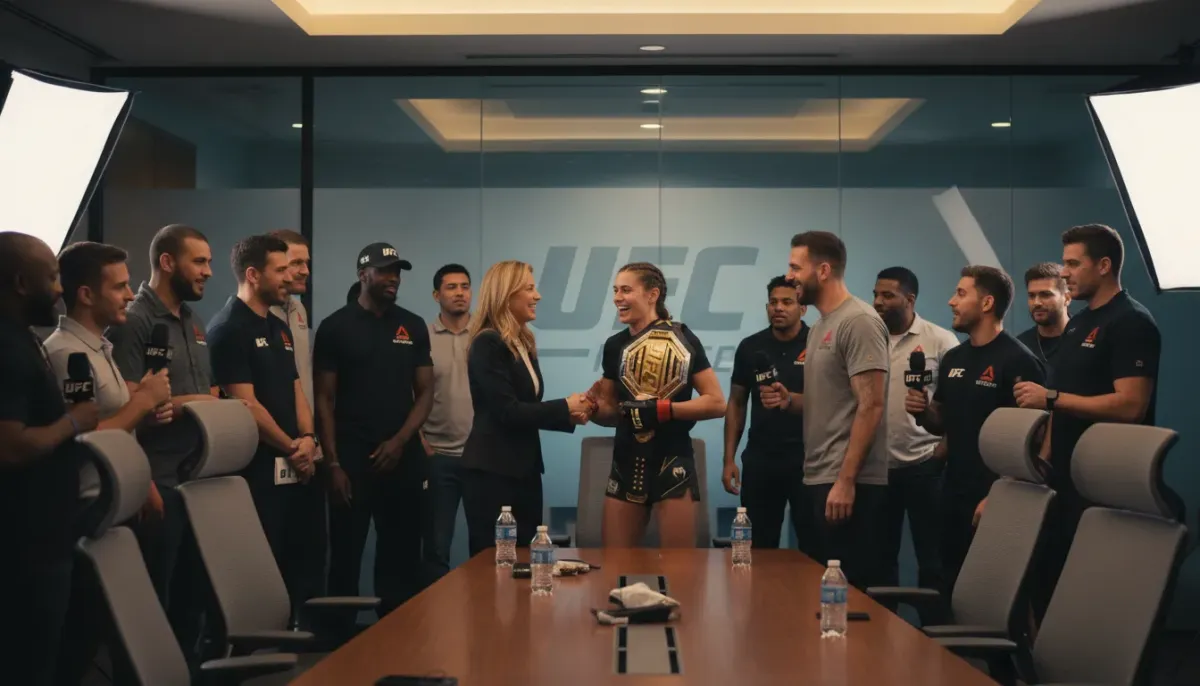
The post-fight press conference represents a critical chapter in any major UFC event. Following hours of intense competition, fighters, officials, and media gather to discuss the night's outcomes, analyze performances, and set the stage for future matchups. UFC 326 was no exception, delivering compelling moments as athletes faced the press and shared their perspectives on the evening's drama.
Understanding the Post-Fight Press Conference Format
What Happens at a UFC Post-Fight Press Conference?
A UFC post-fight press conference serves as the official platform for fighters to engage with media representatives immediately following competition. This structured event allows journalists, commentators, and fans to hear directly from competitors about their strategy, performance, and future aspirations. The conference is more than simply a procedural obligation—it represents a vital component of the UFC's communication ecosystem.
The format typically includes victorious fighters from the main card discussing their performance, responding to questions about their techniques and opponent adjustments, and potentially issuing callouts for future adversaries. These candid exchanges create genuine narratives that extend the event's impact far beyond the final bell in the Octagon.
Timeline and Scheduling Details
UFC post-fight press conferences commence approximately 30 minutes after the main event concludes. For UFC 326, this timing placed the conference at roughly 1 a.m. ET, requiring dedicated fans to stay engaged well into the early morning hours. This scheduling allows sufficient time for medical evaluations and backstage preparations while maintaining momentum and audience interest.
The duration typically spans one to two hours, depending on the number of participants and the depth of questioning. Fans across different time zones can access live coverage through official UFC platforms, ensuring global accessibility to unfiltered fighter commentary and organizational insights.
The Awards and Recognition Segment
Fight of the Night Bonus Announcement
One of the most anticipated moments during the press conference involves announcing the "Fight of the Night" bonus. This award recognizes the bout that delivered exceptional entertainment value and technical excellence. Selection criteria encompass competitive momentum, technical exchanges, and overall excitement generated within the Octagon.
Receiving this recognition carries substantial significance for fighters beyond financial compensation. The award elevates their profile within the MMA community, demonstrates their ability to deliver compelling performances, and can influence future booking decisions and sponsorship opportunities. It serves as external validation of a fighter's skill and entertainment capacity.
Performance of the Night Bonuses
The "Performance of the Night" bonuses celebrate individual achievements that transcend conventional victory. These awards recognize exceptional displays of technical skill, remarkable comebacks, dominant performances, or historic accomplishments. Multiple fighters can receive these bonuses throughout an event.
These accolades carry career-defining implications. Recognition enhances fighter marketability, rewards excellence, and creates psychological motivation for future performances. For many competitors, particularly rising contenders, a Performance bonus represents a milestone in their professional trajectory and provides financial recognition for extraordinary efforts.
Key Moments from UFC 326's Main Card
Dominant Grappling Displays
Raul Rosas Jr. delivered a masterclass in wrestling during his bantamweight clash against Rob Font. The young competitor executed an astounding 16 takedowns throughout the bout, dismantling his opponent's offensive rhythm and asserting complete dominance on the canvas. This performance showcased technical superiority and strategic wrestling proficiency that advanced Rosas to a 6-1 UFC record.
Such dominant grappling displays demonstrate the evolution of MMA grappling standards. Rosas' ability to consistently secure takedowns against a skilled opponent illustrated how modern wrestlers integrate technical precision with fight IQ. His patient ground control and sustained pressure exemplified championship-level wrestling execution.
Striking and Knockout Records
The lightweight division witnessed historic achievements when Drew Dober extended his record for most UFC knockouts among 155-pound competitors. This milestone underscored his sustained excellence as a striker and finisher within the promotion's most competitive weight class. Such records reflect years of dedicated training, technical refinement, and competitive success.
Main Event Highlights
Charles Oliveira orchestrated a dominant display of grappling superiority against Max Holloway in the main event. Oliveira's ground control strategy effectively neutralized Holloway's striking advantages, enabling him to secure a decisive unanimous decision victory. The fight exemplified how elite-level grappling can systematically dismantle even the most accomplished strikers when executed with precision and relentless pressure.
Dana White's Post-Event Scrum
Dana White's Role in the Press Conference
UFC President Dana White concludes the press conference with his personal scrum, offering organizational perspectives on the evening's events. White discusses fighter performances, organizational decisions, and his assessment of emerging talent. His commentary provides executive insight into the promotion's strategic direction and fighter evaluations.
White's presence during the press conference emphasizes the event's significance within UFC operations. His willingness to address media questions directly fosters transparency and enables stakeholders to understand organizational thinking regarding fighter development, matchmaking priorities, and competitive landscape assessment.
Looking Ahead: Future Matchups and Events
The press conference scrum frequently includes announcements regarding upcoming UFC cards and potential matchups. White discusses fighter progression, identifies emerging contenders, and teases future title implications. These forward-looking statements shape fan anticipation and influence media narratives regarding the sport's competitive trajectory.
Fighter Callouts and Post-Fight Statements
In-the-Moment Reactions
Immediately following victorious performances, fighters address the media with genuine, unfiltered commentary. These spontaneous reactions capture authentic emotional responses to competition outcomes. Athletes frequently issue callouts, expressing interest in specific opponents or challenging competitors from other weight classes.
These in-the-moment statements generate compelling narratives that extend beyond individual fights, creating storylines that captivate audiences and influence future promotional direction.
Career Trajectory Discussions
Post-fight press conferences provide platforms for athletes to discuss career progression, title aspirations, and strategic positioning within their respective divisions. Winning fighters contextualize their performance within larger competitive narratives, addressing ranking implications and future opportunities that their victory creates.
Why the Post-Fight Press Conference Matters to MMA Fans
Direct Access to Fighter Insights
The post-fight press conference offers MMA enthusiasts unmediated access to fighter perspectives. Unlike scripted interviews or social media posts, these conferences capture athletes in their rawest competitive state, delivering authentic personality displays and genuine competitive perspective. Fans witness personality, confidence, and competitive drive expressed through candid dialogue.
Media Coverage and News Breaking
Press conferences serve as epicenters for MMA news generation. Callouts, injury announcements, and organizational insights emerge during these sessions, subsequently permeating social media, sports journalism, and fan communities. The conference amplifies individual moments into broader cultural conversations within the MMA ecosystem, extending event impact and maintaining audience engagement beyond the broadcast conclusion.