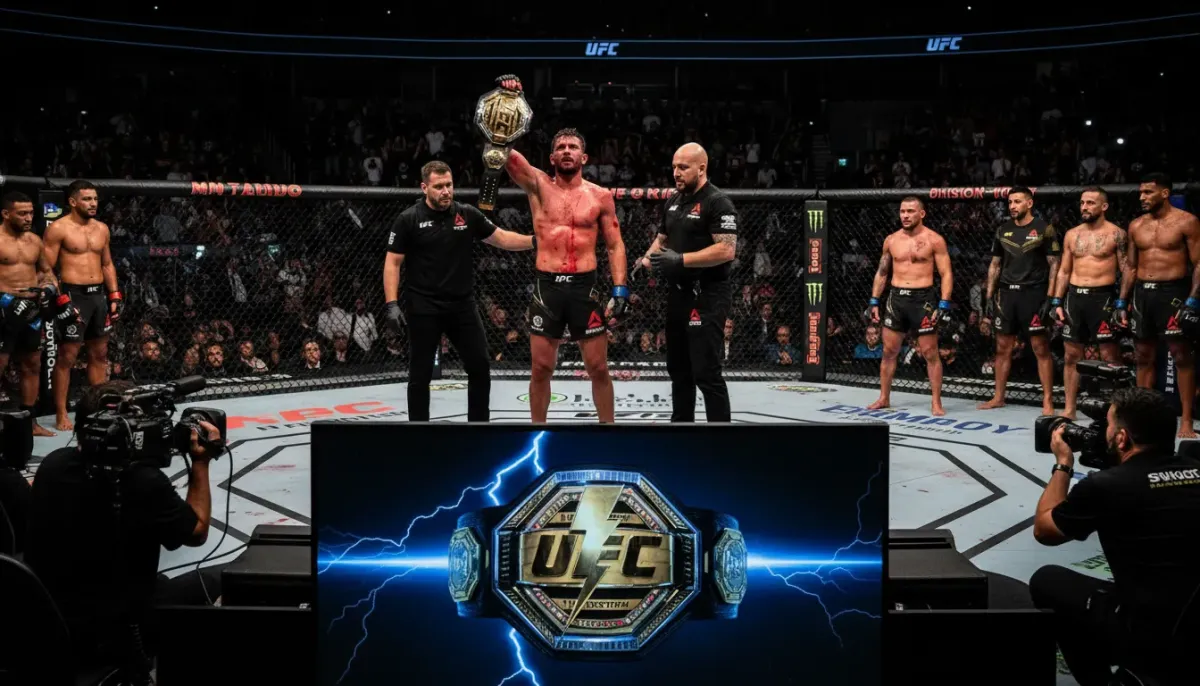
The light heavyweight division experienced a seismic shift at UFC 327, where an unexpected outcome has reshaped the entire competitive landscape. With the dust settling in Miami, multiple narratives have emerged that will define the direction of the sport's 205-pound elite for months to come.
The Light Heavyweight Title Picture Takes a Major Turn
Ulberg's Dominant Victory and Its Complications
Carlos Ulberg secured the UFC light heavyweight championship with a spectacular knockout performance against Jiri Prochazka in the main event of UFC 327. However, this historic achievement comes with significant complications. Ulberg fought through a severe leg injury during the bout, competing on essentially one functional leg while still managing to overcome his opponent decisively.
The remarkable nature of Ulberg's victory raises critical questions about the new champion's immediate future. The severity of his injury leaves the division uncertain about when he might be able to defend his newly won title. If Ulberg requires an extended rehabilitation period, the UFC will face decisions regarding interim championship scenarios and divisional momentum. The organization must balance allowing their champion adequate recovery time while maintaining fan interest in a competitive light heavyweight landscape.
What's Next for the Dethroned Champion?
Jiri Prochazka's attempt to capture a second championship title fell short on Saturday night, ending his campaign to reclaim the division's top spot. The defending champion's performance and strategic approach will be heavily scrutinized as he considers his path forward in the rankings.
Several options lay before Prochazka as he looks to rebuild his championship credentials. A return to competitive matchmaking against ranked contenders could accelerate another title opportunity, depending on how the division develops during Ulberg's recovery. Prochazka remains a formidable threat in the light heavyweight ranks, and his next assignment will be crucial in determining whether another championship run is feasible in the near term.
The Ripple Effects Across the Division
Contenders Positioning Themselves for Title Opportunities
The shifting championship dynamics have created genuine opportunity for ambitious contenders throughout the light heavyweight ranks. Several fighters have improved their positioning through recent performances and are now positioned to capitalize on potential openings in the title picture.
As Ulberg manages his injury recovery, contenders are actively monitoring the situation and preparing their cases for championship consideration. The possibility of an interim title bout, should Ulberg's absence extend beyond typical championship timelines, has created additional avenues for ambitious competitors seeking accelerated pathways to championship recognition.
Recent Victories Reshaping the Divisional Hierarchy
Beyond the main event, UFC 327 featured several performances that have repositioned fighters within the light heavyweight hierarchy. Paulo Costa delivered an explosive knockout victory against Azamat Murzakanov, a performance that reinforces his status as a serious contender deserving of high-caliber opposition.
Dominick Reyes showcased his methodical approach in a decision triumph over Johnny Walker, further cementing his position among the division's elite competitors. These victories collectively demonstrate the depth and competitive quality throughout the light heavyweight division, suggesting that multiple fighters stand ready to challenge for championship opportunities as circumstances permit.
Notable Moments Beyond the Main Event
Other Standout Performances Worth Discussing
UFC 327 delivered several memorable moments that extended beyond the championship contest. Josh Hokit's encounter with Curtis Blaydes provided significant tactical insights into modern heavyweight competition, while the matchup served as a learning opportunity for both fighters.
Cub Swanson's final UFC appearance delivered an impressive performance that honored his accomplished career. The veteran's swan song demonstrated that experience and technique remain valuable commodities in contemporary mixed martial arts, offering a fitting tribute to his years of service within the organization. These secondary fights highlighted the depth of talent competing throughout the event card.
The Injury Factor and Its Strategic Importance
Navigating a Title Reign Through Recovery
Ulberg's championship victory, while undeniably impressive, comes with substantial logistical challenges. The UFC must determine appropriate timelines for recovery without allowing the division to stagnate. Historical precedent suggests that champions have successfully defended titles following injury recovery, provided the rehabilitation process proceeds according to medical expectations.
The organization typically employs interim title bouts to maintain divisional momentum when championship timelines become uncertain. Depending on medical assessments and recovery trajectories, this scenario could become a realistic consideration for the light heavyweight division in the coming months.
Divisional Momentum and Fan Interest
Maintaining competitive excitement within the light heavyweight division during Ulberg's potential absence requires strategic matchmaking. Secondary bouts involving top contenders can preserve fan engagement and ensure the division remains active and relevant despite the champion's unavailability.
The UFC's promotional strategy will likely focus on positioning compelling matchups between ranked contenders, allowing the organization to present meaningful competition that furthers storylines and develops future championship challengers. This approach preserves the competitive integrity of the division while accommodating necessary recovery time for their injured champion.