The Kaseya Center Becomes a Stage for Unexpected Drama
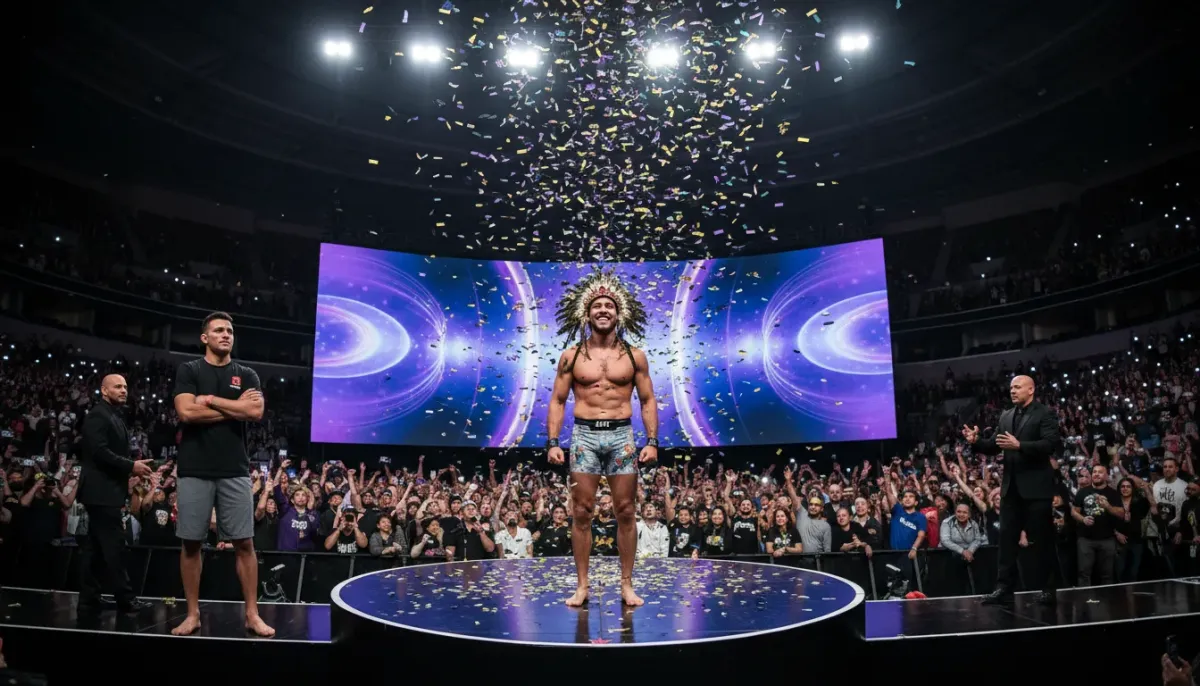
The UFC 327 event in Miami was positioned around a compelling light heavyweight title matchup featuring Jiri Prochazka against Carlos Ulberg. However, the ceremonial weigh-ins on Friday revealed that the most captivating moments sometimes occur away from the octagon itself. Rising heavyweight contender Josh Hokit transformed what is typically a straightforward procedural event into an unforgettable entertainment showcase, effectively redirecting significant attention toward his heavyweight bout against Curtis Blaydes.
Josh Hokit's Pro Wrestling Approach to MMA Promotion
Building Momentum From the Press Conference
Hokit has deliberately constructed a fighting persona that prioritizes showmanship and larger-than-life theatricality. Following an energetic performance at the pre-fight press conference earlier in the week, the heavyweight prospect doubled down on his promotional strategy at Friday's weigh-ins with even greater intensity. This calculated approach demonstrates a clear understanding of modern combat sports dynamics, where generating media buzz and fan engagement extends well beyond technical athletic performance.
The Dance and Microphone Moment
Hokit's standout moment arrived when he executed an aggressive series of dance movements directly in front of the assembled ring girls, prompting immediate reactions from the gathered crowd. The moment escalated significantly when Hokit seized the microphone from event emcee Joe Rogan, seizing the platform to deliver a theatrical proclamation channeling the unmistakable energy of professional wrestling entertainment.
Breaking Down Hokit's Signature Catchphrases
The Quotable Performance
"Don't twist my noodle, toy poodle! I'm gonna toast him like a toaster strudel! Am I right, Miami?!" Hokit exclaimed with characteristic theatrical flair. The phrases carried the distinct hallmark of pre-crafted promotional material, delivered with deliberate comedic timing rather than spontaneous improvisation. This absurdist humor approach represents a departure from conventional fighter promotion.
Why Unconventional Tactics Resonate
In contemporary combat sports, fighters operate simultaneously within two competitive arenas: the octagon and the attention economy. Hokit's unashamed commitment to entertainment serves multiple strategic purposes. It generates shareable social media content, attracts casual viewers beyond hardcore MMA audiences, and creates compelling narratives that transcend the purely technical dimensions of fighting. His embrace of absurdity fundamentally distinguishes him from competitors pursuing more traditional promotional approaches.
Contrasting Styles: Theater Versus Professionalism
The Championship Approach
While Hokit commanded the ceremonial weigh-ins through theatrical excess, the headlining combatants selected an entirely different promotional path. The faceoff between Jiri Prochazka and Carlos Ulberg proceeded with mutual respect and professional composure. Prochazka, operating as a former light heavyweight champion now challenging for the title, addressed the Miami audience with measured confidence, articulating his strategic preparation and technical respect for his opponent.
Prochazka's Pre-Fight Communication
The challenger provided specific insights into his game plan, openly acknowledging Ulberg's formidable striking capabilities, explosive leg kicks, and comprehensive technical foundation. Prochazka emphasized the comprehensive preparation undertaken with his training team, signaling that despite occupying the unfamiliar challenger position, he maintained championship-level mentality and focus. His calm demeanor created stark contrast with the carnival atmosphere surrounding Hokit's performance moments earlier.
UFC 327's Complete Event Structure
A Comprehensive Fight Card
The event featured an ambitious 12-fight lineup, delivering substantial entertainment value and multiple compelling matchups extending well beyond the light heavyweight title headliner. The fighter roster demonstrated professional competence by navigating the weight-cutting process effectively, with the overwhelming majority of athletes hitting their designated weight targets without complications. This represented an important logistical victory ensuring the event would proceed as originally scheduled.
Weigh-in Results and Significance
The successful weight-cutting performances by most participants reflected fighter professionalism and sport integrity standards. While one competitor encountered complications during the weigh-in process, the overall health and readiness displayed by the UFC 327 roster maintained organizational standards for competitor safety and sporting legitimacy.
The Evolution of MMA Promotion Strategies
Entertainment and Athletic Competition Intersect
Hokit's performance at the ceremonial weigh-ins illustrates broader transformations within professional combat sports. As MMA has developed into a mainstream entertainment property, fighters increasingly adopt distinctive personas and entertainment strategies alongside their athletic pursuits. Some competitors fully embrace this entertainment dimension, while others maintain more conventional promotional approaches aligned with traditional athletic professionalism.
Performance Implications
The UFC 327 card would ultimately determine whether personality-driven promotion and theatrical performance translate into octagon success. Hokit's weigh-in theatrics undoubtedly generate media attention and fan discussion, yet fighting competitiveness demands legitimate technical expertise, superior conditioning, and sophisticated strategic acumen. Saturday's results would reveal whether entertainment value and fighting legitimacy operate in harmony or tension.