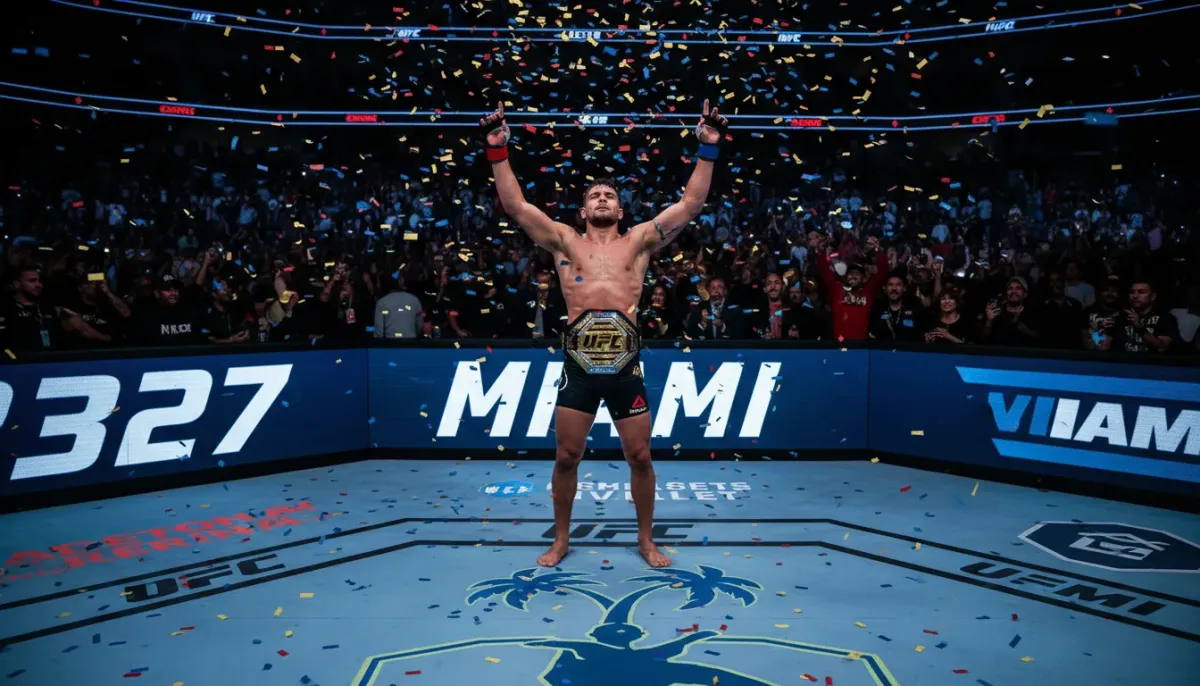
The Miracle at UFC 327: How Ulberg Snatched Victory from Defeat
A Championship Born from Adversity
The light heavyweight title fight at UFC 327 unfolded in the most unexpected manner imaginable. Within moments of the opening bell, Carlos Ulberg suffered what appeared to be a serious knee injury that threatened to end his championship aspirations before they truly began. The moment was devastating—a stumble that left Ulberg compromised, struggling to maintain stability on the canvas. From that point forward, the narrative seemed written: Ulberg would either be finished or barely survive until his corner intervened.
Yet what transpired defied conventional MMA wisdom. Despite operating on a severely compromised leg, Ulberg refused to mentally surrender. He continued to engage, to think, to wait for opportunity. This mental fortitude would ultimately prove more valuable than the physical tools he'd temporarily lost.
The Turning Point: When Dominance Becomes Vulnerability
Jiri Prochazka held the championship within reach throughout the bout. His leg kicks were finding their mark, his strategy was working, and victory appeared inevitable. However, in a critical lapse of judgment, Prochazka appeared to show mercy to the injured challenger, perhaps believing the fight was already decided. Some observers noted he seemed almost encouraging, as if confident he could finish Ulberg whenever he chose.
That momentary hesitation became catastrophic. Ulberg unleashed a perfectly timed left hook that caught Prochazka off guard. Generating such explosive power while unable to plant his injured leg remained remarkable from a technical standpoint. Follow-up strikes sealed the victory, leaving the defending champion stunned on the canvas.
Victory or Circumstance? Debating the Real Winner
The outcome sparked legitimate debate within the MMA community. Prochazka undeniably controlled the fight and dominated most exchanges. Had he simply waited for the round to end, Ulberg's corner might have stopped the bout due to the knee injury. In that sense, Prochazka squandered a dominant position through tactical carelessness.
Yet dismissing Ulberg's achievement diminishes something special. The new champion demonstrated remarkable resilience, kept his composure despite physical compromise, and capitalized when his opponent faltered. In mixed martial arts, seizing opportunity separates champions from challengers. Ulberg did precisely that, making his victory entirely legitimate regardless of the circumstances surrounding it.
The Heavyweight Spectacle That Saved UFC 327
When Two Warriors Define Fight of the Year Potential
Earlier in the evening, one of the most forgettable contests had drained energy from the venue. The Blaydes versus Hokit heavyweight bout then arrived like a defibrillator, revitalizing the entire event through sheer intensity and determination.
This wasn't a technical masterclass. Both fighters became exhausted, battered, and visibly depleted as rounds progressed. Yet their refusal to quit, their willingness to exchange heavy strikes despite fatigue, and their absolute commitment to winning created something compelling. The first round saw Hokit establish early dominance, nearly securing a finish before Blaydes' resilience allowed him to survive and counter. Subsequent rounds showcased Hokit's cardio and output as he dished out consistent punishment, though Blaydes refused to surrender.
Josh Hokit's Breakthrough: From Controversy to Credibility
Hokit arrived at UFC 327 surrounded by controversy. His pre-fight media antics and questionable promotional efforts overshadowed genuine fighting ability. Many questioned whether his persona would translate positively inside the octagon or remain a distraction.
The answer came decisively when the bell rang. Hokit exhibited relentless pace and remarkable toughness, dragging a Fight of the Year caliber performance from Curtis Blaydes. Winning Performance of the Night and Fight of the Night bonuses, totaling $200,000, represented life-changing financial recognition for the young fighter. More importantly, he proved that his fighting ability matched his promotional confidence.
The Light Heavyweight Landscape After Miami
Paulo Costa's Intriguing Move to 205 Pounds
The light heavyweight division suddenly became significantly more interesting with Paulo Costa's debut at the weight class. The former middleweight contender appeared stronger and more effective than he'd seemed at 185 pounds throughout his career. His technical striking looked sharper, his power more pronounced, and his overall performance more dominant.
Costa defeated Azamat Murzakanov in the co-main event, securing a head kick knockout finish that announced his arrival as a legitimate contender. With Ulberg potentially sidelined for extended recovery from his knee injury, Costa positioned himself as an immediate title contender or strong interim championship candidate.
Magomed Ankalaev's Precarious Position
The shifting light heavyweight landscape presented complications for other contenders. Magomed Ankalaev found himself in a particularly difficult position through no fault of his own. Recent losses and a crowded contender pool meant multiple fighters—Costa, potential heavyweight returnees, and rising challengers—would likely receive priority over Ankalaev in championship matchmaking.
His path forward required patience and additional victories, potentially more than seemed fair given his ranking and experience. Timing in MMA often matters more than merit when championship opportunities are distributed, and Ankalaev's timing appeared unfortunate.
Emerging Stars and Resilient Veterans
Aaron Pico's Redemption Arc
Aaron Pico faced significant career pressure heading into UFC 327. A knockout loss in his promotional debut to Lerone Murphy—a decision-focused fighter—created concerns about whether his explosive style and durability would limit his potential. Some wondered if a second knockout loss might effectively end his UFC tenure before meaningful success materialized.
Instead, Pico delivered a dominant three-round performance against former Bellator champion Patricio Pitbull. He mixed striking effectively with well-timed takedowns, controlling the bout throughout while proving he could execute a complete game plan. The victory demonstrated why pre-UFC hype surrounded his potential, establishing momentum heading forward.
Cub Swanson's Dignified Farewell
In an era where fighters rarely exit their sport gracefully, Cub Swanson achieved something increasingly rare: departing the sport on his own terms while still performing at a high level. His final fight victory concluded a Hall of Fame career defined by entertaining performances and respected sportsmanship. Though he never captured championship gold, Swanson's impact on MMA extended beyond titles—his legacy centered on consistently delivering engaging fights and maintaining dignity throughout his professional journey.
Operational Details and Broadcast Considerations
Bruce Buffer encountered multiple announcement errors across recent UFC broadcasts. At UFC 327, he incorrectly announced a decision in a preliminary fight, requiring post-broadcast correction. While such mistakes don't necessarily reflect on Buffer's extensive experience, they impact broadcast credibility and viewer trust.
The overall event quality varied significantly. Strong preliminary card performances, including several finishes, initially set positive momentum. The early main card bout then undermined that energy substantially. However, subsequent heavyweight and championship fights ultimately salvaged the evening, leaving viewers with memorable moments that overshadowed earlier disappointments.