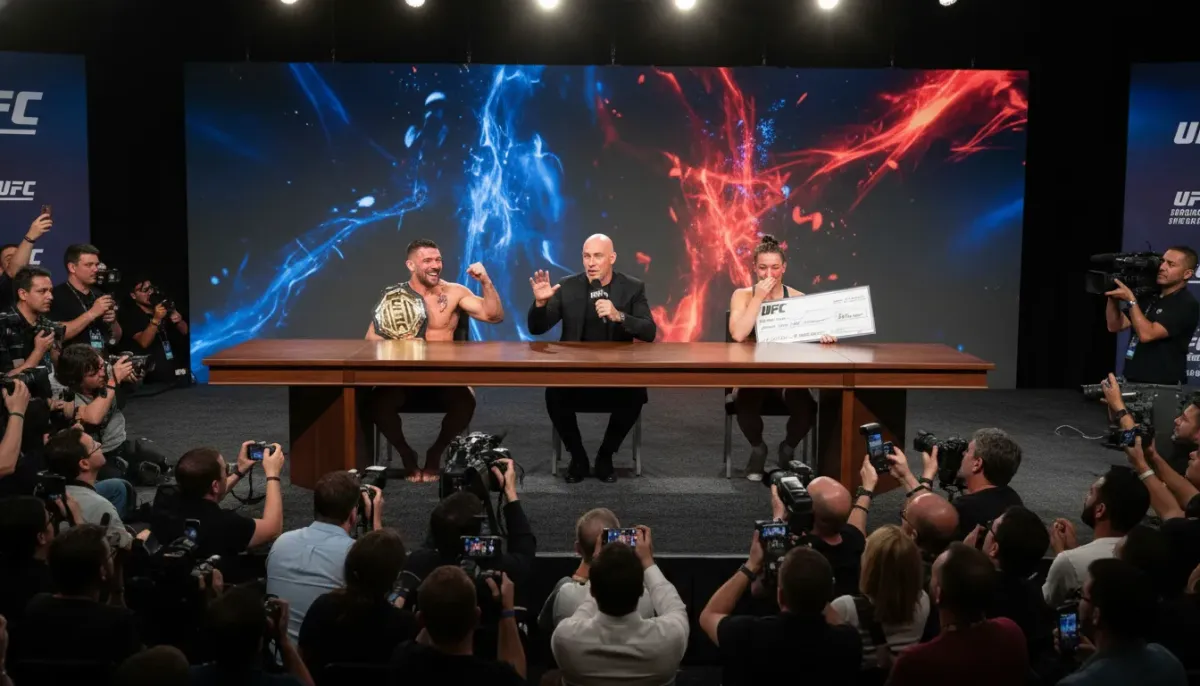
The UFC 327 post-fight press conference marks the official conclusion of an action-packed evening, providing fans and media with direct access to the night's standout performers and UFC leadership. This crucial media gathering brings together winning fighters, UFC officials, and President Dana White to discuss performances, distribute bonus awards, and outline the organization's future direction. Understanding what happens during this event offers deeper insight into the UFC's operations and the fighters who shape the sport.
What to Expect from the UFC 327 Post-Fight Media Scrum
The post-fight press conference serves as the final official business of UFC 327, typically occurring approximately 30 minutes after the main event concludes. For UFC 327, this timing meant the press conference would commence around 1 a.m. ET, following all competitive action in the Octagon. This event brings together multiple stakeholders essential to the sport's ecosystem.
The primary participants include winning fighters from across the card, UFC officials responsible for administrative duties, and Dana White, whose presence shapes much of the media narrative surrounding the event. The primary purposes of this gathering include the formal announcement of performance bonus recipients and candid discussions regarding the evening's competitive moments. Fighters utilize this platform to address their performances, discuss their strategies, and explain their fight approaches to a live media audience.
The timing of the press conference, while late for East Coast viewers, ensures all medical clearances and technical details are finalized before public statements occur. This structured approach protects fighter safety and allows for comprehensive commentary on the entire card's results.
The Performance Bonuses Unveiled
Fight of the Night Honor
The Fight of the Night award recognizes the bout that most captivated audiences through technical excellence, competitive balance, or sheer entertainment value. This distinction carries both prestige and financial reward, typically providing a $50,000 bonus to each participating fighter. At UFC 327, the heavyweight matchup between Josh Hokit and Curtis Blaydes emerged as the leading contender for this honor.
The Hokit versus Blaydes encounter delivered everything combat sports enthusiasts crave: relentless pace, mutual respect between competitors, and sustained intensity throughout. Professional fighters universally praised the bout, with many describing it as one of the greatest heavyweight battles they had witnessed. The bout's legitimacy as a potential Fight of the Year candidate transcended typical post-fight hyperbole, reflecting genuine appreciation from the combat sports community for the competitors' dedication and technical execution.
Performance of the Night Awards
Beyond the Fight of the Night recognition, the Performance of the Night awards celebrate exceptional individual fighter performances. These accolades typically recognize knockouts, submissions, or dominant decision victories that showcase technical proficiency or dramatic finish. Each award carries identical financial compensation to the Fight of the Night bonus.
Multiple fighters at UFC 327 delivered performances worthy of this recognition. Carlos Ulberg's knockout of Jiri Prochazka proved particularly noteworthy given that Ulberg competed with a blown knee injury, yet still delivered a brutal finishing strike. Paulo Costa's head kick knockout, which ended an opponent's undefeated record, similarly demonstrated striking precision and timing at the highest competitive level.
Standout Fights That Dominated the Night
The Epic Hokit vs. Blaydes Heavyweight Battle
The heavyweight clash between Josh Hokit and Curtis Blaydes transcended typical main event expectations, delivering a slugfest of remarkable proportions. Hokit's victory came through sustained offensive pressure and calculated aggression, showcasing his ability to implement game plans under extreme physical duress. While Hokit may not command universal affection from all MMA enthusiasts, his performance against Blaydes demonstrated tangible skill and determination that silenced critics questioning his elite-level credentials.
Professional fighters reacted with unbridled enthusiasm to the bout, with numerous competitors citing it as one of the greatest heavyweight contests they had observed. The back-and-forth nature of the engagement, combined with both fighters' refusal to disengage despite accumulating damage, created the type of competitive narrative that elevates individual performances into historical significance. The potential for Fight of the Year consideration represented genuine recognition rather than typical post-fight hyperbole.
Reyes' Controversial Split Decision Victory
Dominick Reyes secured a split decision victory against Johnny Walker in a light heavyweight bout that failed to generate audience enthusiasm. Despite the competitive nature of the matchup, crowd reactions during the fight indicated frustration with the pace and engagement level. Audience members audibly expressed displeasure through chanting during portions of the bout, a rare occurrence at UFC events that highlights the subjective nature of fight entertainment.
While Reyes earned the victory, the bout remained relatively forgettable within his career narrative, particularly when compared to his previous high-profile performances. The split decision nature of the result, combined with audience reception, suggested judges faced a genuinely competitive engagement lacking dramatic moments or technical brilliance.
Other Memorable Performances
Beyond the main event, multiple competitors delivered noteworthy performances throughout the card. Carlos Ulberg's knockout victory despite suffering a blown knee injury exemplified competitor resilience and technique execution under adverse physical circumstances. Paulo Costa's head kick knockout provided striking showcase moments that ended an opponent's previously undefeated record. Additionally, Cub Swanson's retirement announcement received universal praise from the combat sports community, recognizing a veteran fighter's substantial contributions throughout his career.
Dana White's Post-Event Duties and Commentary
Dana White's involvement in the post-fight press conference extends beyond ceremonial duties, as the UFC President utilizes the platform to provide organizational commentary and strategic insights. White typically analyzes fighter performances, discusses standout moments from the evening, and addresses questions regarding the competitive landscape within specific weight divisions.
During these scrums, White often provides context for fighter movements, potential matchmaking opportunities, and organizational direction moving forward. His commentary carries substantial influence within the sport, as fighters and media assess his statements for clues regarding upcoming promotional decisions. The informal nature of the scrum format allows for candid discussion that differs from prepared statement environments, potentially revealing unfiltered organizational perspectives on fighters and future events.
How to Watch the Complete Press Conference Video
Comprehensive press conference coverage typically appears on MMAFighting.com, providing fans direct access to unfiltered fighter commentary and official UFC statements. Video platforms hosting the complete press conference allow viewers to observe fighter reactions immediately following bouts, witness bonus announcements, and hear Dana White's strategic commentary regarding the evening's events and future UFC calendar considerations.
For MMA enthusiasts seeking deeper understanding of the sport's operational mechanics and fighter perspectives, reviewing the complete press conference footage provides invaluable context that transcends standard fight coverage. These sessions offer genuine insight into fighter mentality, organizational direction, and the human elements underlying competitive combat sports narratives.