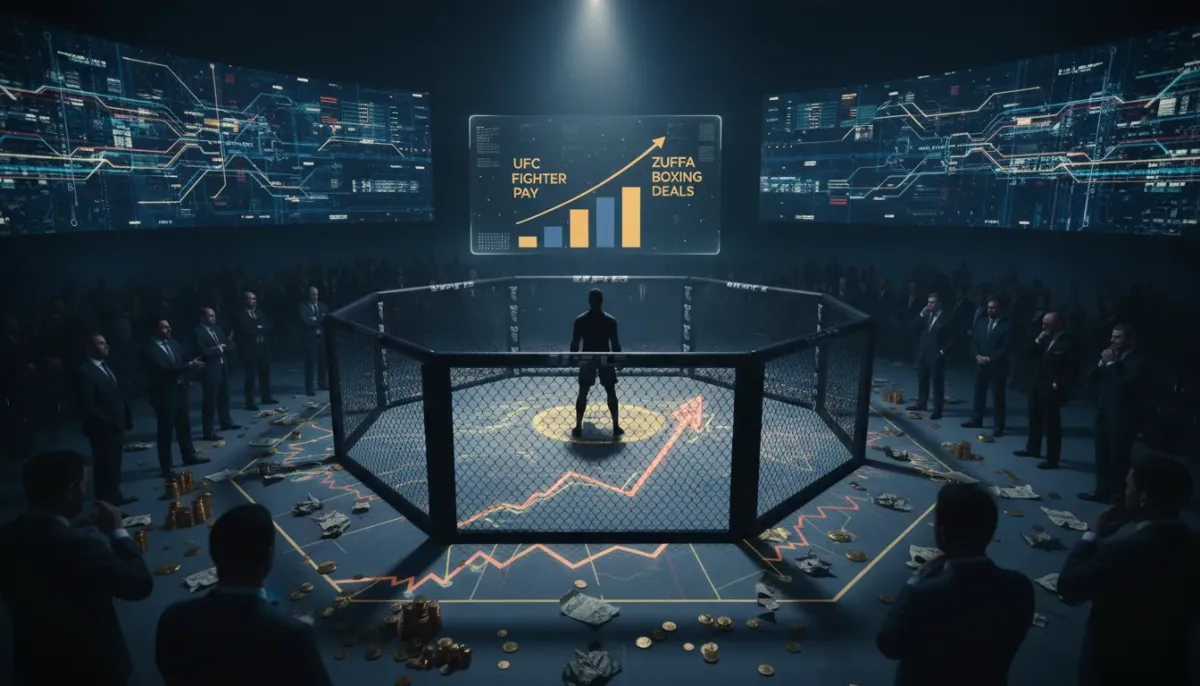
Introduction: A New Reality in Combat Sports Economics
Dana White's strategic expansion into professional boxing through Zuffa Boxing has triggered an unprecedented conversation among UFC athletes regarding fighter compensation. The $15 million deal offered to Conor Benn for a single boxing match represents a stark departure from the compensation structure long established within the UFC. This disparity has prompted top-tier fighters to publicly voice their frustrations, raising critical questions about how the promotion allocates resources across its various sporting ventures and what this means for the future of fighter earnings in mixed martial arts.
Understanding Zuffa Boxing's Market Entry
Dana White's Strategic Diversification Beyond the UFC
Over recent years, Dana White has methodically expanded his portfolio beyond traditional mixed martial arts. The promotion now operates Powerslap, UFC BJJ, and the newly launched Zuffa Boxing, each representing an attempt to replicate the business model of major sports leagues. White has openly acknowledged the strategy behind this approach, noting that organizations like the NFL and NBA maintain dominance through diversified ownership across multiple sporting properties. Boxing, with its established revenue streams and global audience, became a natural next frontier for expansion.
This diversification strategy signals White's belief that the UFC, despite its market dominance in combat sports, requires supplementary ventures to maximize profitability. Rather than viewing traditional MMA as his exclusive focus, White has positioned himself as a multi-sport promoter capable of capturing market share across different competitive arenas.
The Conor Benn Signing That Started It All
The reported $15 million one-fight agreement with professional boxer Conor Benn served as the catalyst for broader industry discussion. This signing represented not merely a financial commitment but a clear statement about Zuffa Boxing's serious competitive intentions. The magnitude of this deal—substantially exceeding typical UFC main event purses—immediately caught the attention of the MMA fighter roster and triggered questions about compensation equity.
Israel Adesanya's Candid Take on Fighter Compensation
"I Want $15 Million for One Fight, Too"
Israel Adesanya, one of the UFC's most accomplished athletes, addressed the Benn signing with measured but pointed commentary. His statement—"I want $15 million for one fight, too"—combined humor with genuine frustration about the compensation disparity. While maintaining professional diplomacy, Adesanya articulated what many active roster fighters have privately expressed: the obvious inequality between what Zuffa Boxing offers to boxing signees and what the UFC provides to its own champions.
Observers noted that Adesanya appeared to carefully choose his words during public remarks, suggesting that stronger opinions existed behind the scenes. This pattern of measured criticism reflects the delicate balance active fighters must maintain when addressing their promotion directly.
The Systemic Issue Adesanya Outlined
Beyond the surface complaint about individual purses, Adesanya raised a fundamental question about resource allocation. He emphasized that the UFC—the sport that has historically generated the revenue sustaining all of White's operations—now effectively funds competing ventures owned by the same parent company. This dynamic creates a troubling precedent: fighters compete to generate profits that support boxing endeavors offering dramatically higher individual compensation.
Adesanya's commentary also touched on the motivational aspect, suggesting that high-level athletes often require new competitive challenges to maintain interest. His observation implied that White may view continued UFC dominance as a "solved" problem requiring external expansion to maintain personal engagement.
Beyond Adesanya: A Broader Fighter Sentiment
What Other Athletes Have Said
Adesanya's frustrations represent part of a larger chorus of concern from the fighter roster. Max Holloway urged his fellow competitors to "know your worth," specifically referencing the Benn compensation as a benchmark. Charles Oliveira has positioned himself to leverage major financial demands for specific matchups, while Raul Rosas Jr. has publicly discussed the significant sacrifices athletes make pursuing UFC careers. Even fighters facing separate grievances, like Patchy Mix's involvement in drug-testing controversies, have expressed broader frustrations about how the promotion values and treats its roster.
These varied perspectives from different career stages and fighter profiles indicate that compensation concerns transcend individual circumstances—they reflect systemic discontent across the organization.
The Unspoken Frustration
Perhaps more revealing than what fighters say publicly is what remains unspoken. Industry observers recognize a significant gap between the measured criticism offered in official statements and the deeper frustrations likely expressed privately. Active roster members must navigate complex professional relationships with their promotion while simultaneously advocating for themselves, creating pressure toward strategic silence and calculated remarks.
The Compensation Disparity That Can't Be Ignored
Zuffa Boxing vs. UFC Paydays
The numerical comparison is stark and indefensible. Typical UFC main event purses range substantially below Benn's $15 million, even for the sport's biggest stars. However, boxing's historical precedent for premium fighter compensation provides context. Professional boxing has long operated within a market structure that rewards top-tier athletes with substantially higher purses than combat sports newcomers might expect. Zuffa Boxing's willingness to offer competitive boxing compensation demonstrates that the capital exists within the parent organization—it's simply allocated according to market priorities.
Market Forces at Play
Understanding this disparity requires acknowledging market dynamics. The UFC established fighter compensation structures decades ago and has experienced limited pressure to dramatically increase purses for roster athletes. Boxing signees, conversely, often possess existing credibility and leverage from established professional records, enabling them to negotiate from stronger positions. Dana White's demonstrated willingness to spend aggressively in new markets suggests that market entry costs and competitive positioning take priority over existing roster equity.
What This Means for UFC's Future Direction
Is Diversification Working Against Core Athletes?
The resource allocation question becomes increasingly relevant as Zuffa's portfolio expands. Profits generated by UFC competitions now demonstrably fund ventures offering competitors substantially higher compensation. This dynamic raises uncomfortable questions about fighter value, organizational priorities, and long-term sustainability of the compensation model. If capital can support $15 million boxing deals, why can't similar resources benefit established MMA champions?
The Broader Combat Sports Landscape
These dynamics have implications extending beyond individual fighter frustrations. The precedent being established affects aspiring athletes evaluating career investment in combat sports, influences fighter retention and promotion loyalty, and shapes long-term talent acquisition strategies. When professional boxers can command substantially higher compensation through the same parent company, the message to developing MMA athletes becomes muddled regarding true earning potential.
Upcoming events, including additional Zuffa Boxing appearances alongside scheduled UFC competitions like Israel Adesanya's matchup against Joe Pyfer, will continue highlighting this ongoing narrative about fighter value and organizational priorities.