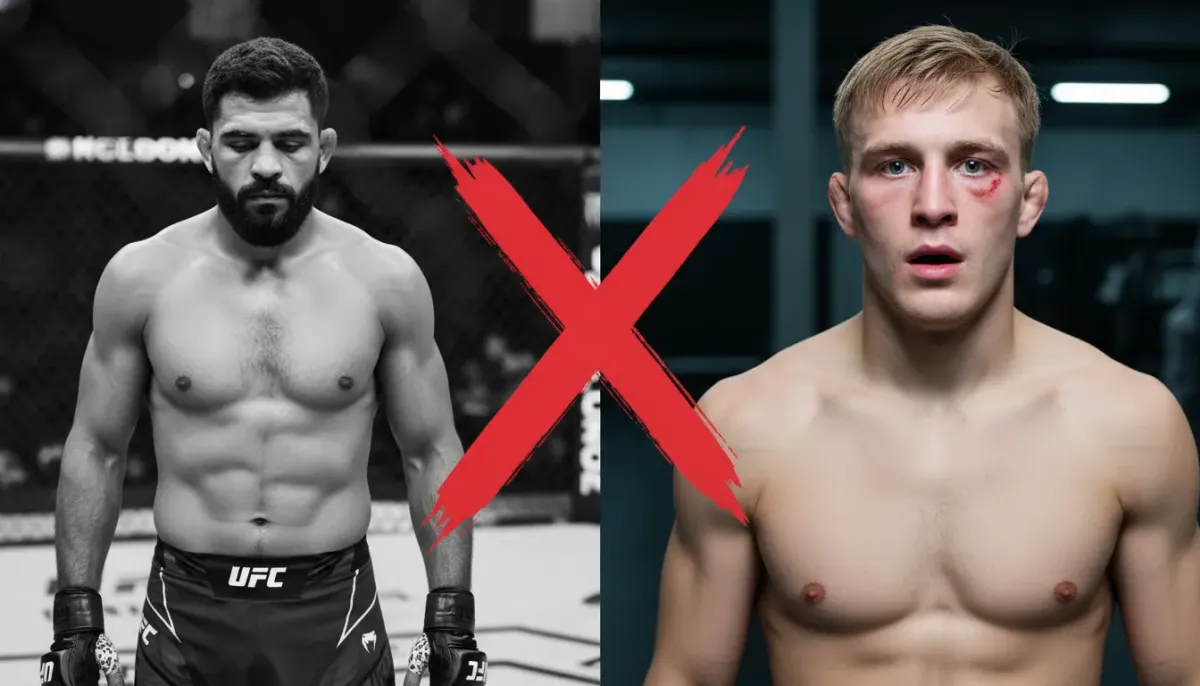
The UFC has announced the release of two fighters from its roster, marking significant roster adjustments for the promotion. The departures include Pedro Munhoz, a long-serving bantamweight competitor, and Shem Rock, a recent signee who struggled during his brief tenure with the organization. These releases highlight the ongoing evolution of the UFC's athlete management and performance standards.
The End of an Era for Pedro Munhoz
A 12-Year Journey Comes to a Close
Pedro Munhoz's departure from the UFC concludes an impressive 12-year association with the promotion. The veteran bantamweight had made 22 octagon appearances during his tenure, representing a significant commitment to elite-level competition. Munhoz's exit came following his own public request for release, indicating a mutual understanding between the fighter and promotional officials that it was time to pursue separate paths. This transition allows both parties to move forward with fresh opportunities in their respective endeavors.
Notable Opponents and Career Highlights
Throughout his extensive UFC career, Munhoz demonstrated his willingness to compete against the division's most formidable competitors. His fighting record includes matchups with Sean O'Malley, Aljamain Sterling, Jose Aldo, and Dominick Cruz—elite-level athletes who represent the bantamweight division's upper echelon. These encounters across his 22 UFC fights showcase his longevity and the respect he earned for consistently challenging top-tier opposition in one of the promotion's most competitive weight classes.
The Three-Fight Losing Streak
Munhoz's final chapter with the UFC was characterized by competitive struggles. His last three consecutive fights resulted in defeats, culminating in a loss to Aiemann Zahabi at UFC Edmonton in November. This challenging final stretch likely prompted his decision to request his release, as he found himself unable to reverse negative momentum during the concluding phase of his promotional tenure. The combination of accumulated losses and his request for separation created the circumstances for his departure.
Shem Rock's Brief UFC Stint Comes to an End
From OKTAGON to the UFC, and Beyond
Shem Rock's narrative differs substantially from Munhoz's extended career arc. The 32-year-old fighter arrived at the UFC following productive performances within OKTAGON MMA, carrying optimism about his potential at the highest level. However, the competitive environment in the world's premier fighting organization presented obstacles that proved difficult to overcome during his promotional period. The transition from regional competition to UFC-caliber opponents revealed challenges that complicated his ability to establish himself within the promotion's roster.
Winless Record and Notable Incidents
Rock's UFC experience produced immediate difficulties. The fighter compiled a 0-2 record, losing both promotional contests via unanimous decision. His first UFC bout came against Nurullo Aliev, followed by a more recent loss to Abdul-Kareem Al-Selwady at UFC London in March. The latter fight garnered additional attention when Rock engaged in striking exchanges with his opponent after the final bell had sounded, an unsportsmanlike moment that may have influenced organizational decisions regarding his future with the promotion alongside his competitive performance concerns.
The Competitive Jump Too High
Rock's release underscores a common reality within professional MMA: the leap from regional promotions to UFC-level competition represents a substantial jump in skill, experience, and overall athlete caliber. While Rock possessed sufficient ability to earn a UFC contract, the gap between his previous competition level and his UFC opponents exposed limitations that couldn't be adequately addressed during his brief promotional tenure. This experience suggests that alternative organizations may provide more suitable competitive environments for his continued development and success.
Understanding UFC Roster Decisions
Performance Metrics and Organizational Standards
The UFC maintains rigorous standards when evaluating roster composition and fighter retention. Both releases reflect the promotion's multifaceted assessment approach, which considers fight performance, record progression, marketability, and behavioral conduct. Consistent losing streaks, inability to transition successfully to higher competitive levels, and incidents of inappropriate in-cage behavior all factor into organizational decision-making. The promotion prioritizes maintaining roster quality and upholding standards that benefit the overall product and competitive integrity of events.
Fighter Movement and Career Trajectories
These roster changes demonstrate that the UFC, while representing the pinnacle of professional MMA, is not necessarily the optimal destination for every fighter throughout their entire career. Some competitors flourish within different organizational structures or at alternative competitive levels. Munhoz's extensive experience provided him significant value and marketability across his 12-year run, while Rock's swift release suggests he may discover better opportunities within other promotional frameworks, potentially finding renewed success in organizations better aligned with his current competitive standing.
What's Next for Both Fighters
Munhoz's Options Moving Forward
With his requested release now granted, Munhoz enters the free-agent market with considerable experience and established credibility within combat sports. His extensive fighting pedigree and 12 years at elite competition level represent valuable assets for emerging or alternative promotions seeking experienced names. Whether Munhoz continues competing at a professional level, explores management or coaching roles within MMA, or pursues entirely different opportunities, his release provides the flexibility necessary to determine his own path forward without promotional constraints.
Rock's Path to Redemption
Rock's release offers a strategic opportunity to reassess his professional trajectory and seek more appropriate competitive environments. At age 32, he maintains years of potential fighting career ahead and could benefit from returning to organizations like OKTAGON MMA or exploring other international promotions where competition levels align more favorably with his current abilities. Rebuilding confidence and record success at a more suitable competitive tier could prove essential for establishing long-term viability and success within professional fighting.