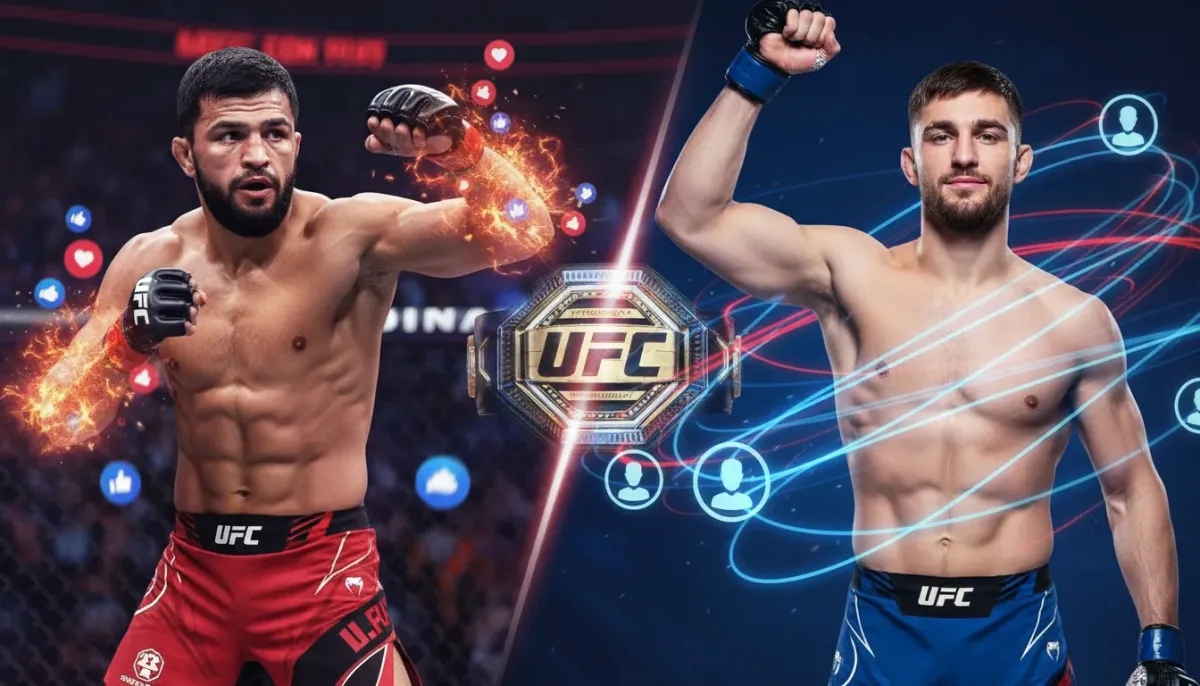
When Champions and Challengers Clash Outside the Octagon
The sport of mixed martial arts extends well beyond the technical exchanges that occur within the cage. In the months leading up to major title fights, psychological warfare becomes an integral component of the narrative surrounding potential matchups. The recent public exchange between Islam Makhachev and Ian Machado Garry perfectly demonstrates how contemporary fighters leverage social media platforms to maintain pressure and amplify expectations ahead of significant competitive encounters.
Garry's Public Challenge: Questioning the Recovery Timeline
Inconsistencies in Official Statements
Ian Machado Garry made his frustration abundantly clear when he publicly addressed the recurring delays in scheduling a title bout. The welterweight contender pointed out apparent contradictions in the official narratives surrounding Makhachev's availability, highlighting how the proposed return date seemed to shift depending on who was making the announcement. Garry's social media post referenced conflicting timelines that suggested either miscommunication or deliberate postponement.
A Frustrating Chronology
Garry presented a sequence of events that illustrated his perspective on the situation:
- May: Initial refusal to engage in the title fight
- July: Makhachev's initially targeted comeback window
- August: Dana White's announced expectation for the champion's return
- Current period: Continued waiting without definitive confirmation
The challenger's message resonated with fans who felt similar impatience, emphasizing that he had remained prepared throughout this extended period while external parties continued to modify expectations.
Makhachev's Reply: Readiness and Business Realities
Sidestepping the Skepticism
Islam Makhachev's response demonstrated notable restraint when compared to Garry's pointed critique. The pound-for-pound ranked champion chose not to directly address the accusations regarding his injury status. Instead, he redirected the conversation toward the administrative and financial dimensions of professional fighting, asserting his physical preparedness while placing responsibility on the promotion's operational side.
The Contractual Dimension
Makhachev's statement about waiting for a contract introduced an important element often overlooked in public discourse about delayed fights. This comment suggested that injury recovery might represent only one facet of a more complex negotiation process involving fighter compensation, contractual terms, and other business considerations that the UFC manages behind closed doors.
The Lightweight Champion Who Conquered Welterweight
A Record-Breaking Reign
Before ascending to the welterweight division, Makhachev solidified his status as an elite 155-pound competitor. His championship tenure included a remarkable four consecutive title defenses—an achievement that remains unmatched in UFC lightweight history. This exceptional run demonstrated his technical superiority and ability to maintain competitive dominance against the most formidable challengers in his weight class.
Transitioning Up in Weight
Makhachev's decision to move up to 170 pounds represented a strategic career progression rather than a retreat from lightweight. His decisive performance at UFC 322 against Jack Della Maddalena, where he captured the welterweight title through superior grappling, validated this weight class transition. The victory underscored that his technical skill set remained effective even in a division featuring larger, more powerful athletes.
Garry's Credentials for Championship Consideration
Building a Compelling Resume
Ian Machado Garry has methodically constructed his argument for a title opportunity through consistent high-level performances. His victory over former champion Belal Muhammad at UFC Qatar served as his signature win, demonstrating his ability to defeat elite competition. This triumph elevated his standing considerably, improving his promotional record to an impressive 10-1 and positioning him prominently in welterweight title discussions.
Maintaining Momentum Through Advocacy
With Makhachev sidelined by injury rehabilitation, the welterweight landscape has featured multiple contenders making their cases for the next title shot. However, Garry's sustained visibility and vocal pursuit of the matchup have kept him at the center of title contention conversations, effectively using the champion's unavailability to strengthen his positioning.
The Multifaceted Nature of Title Fight Negotiations
Medical Clearance Versus Business Terms
UFC President Dana White acknowledged that Makhachev's absence resulted from a hand injury but deliberately avoided providing specific recovery projections. This ambiguity created space for speculation and understandable frustration among fighters waiting for clarity. However, injury recovery represents only one component in the complex equation determining when title fights actually materialize.
Contractual Considerations Beyond Physical Readiness
Championship fights involve substantial behind-the-scenes negotiations regarding fighter compensation, event scheduling, marketing commitments, and various other contractual provisions. These administrative processes frequently influence fight scheduling timelines as much as, if not more than, medical considerations. Makhachev's reference to awaiting a contract highlights how these business dimensions often operate independently of physical readiness.
Digital Platforms as Modern Strategic Weapons
The public dialogue between Makhachev and Garry illustrates how contemporary fighters use social media to maintain narrative control and apply pressure on promotions. Rather than passively awaiting decisions from promotional hierarchy, modern athletes engage directly with audiences and opponents, generating storylines that sustain media coverage and fan interest. This shift represents a fundamental change in how title contention operates in professional combat sports, where fighter voice and digital presence now carry significant weight in shaping competitive opportunities.