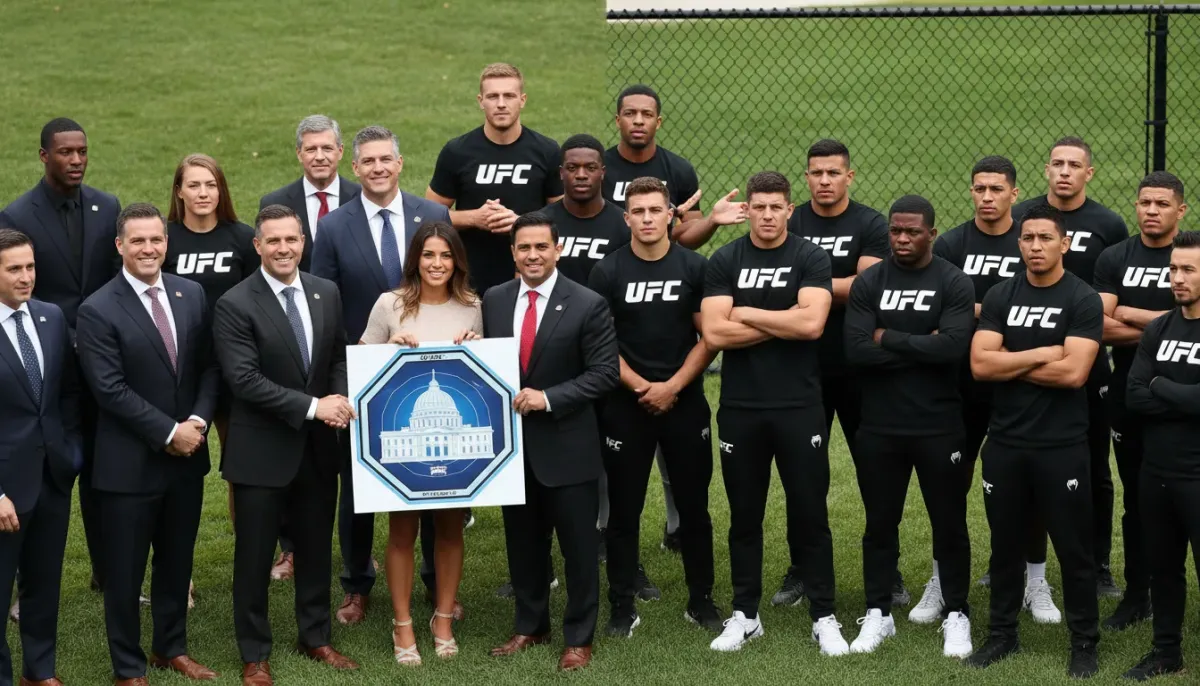
The Historic Showdown Takes Shape
The UFC has officially revealed its White House fight card, assembling what the organization describes as a premier lineup featuring significant title matchups and high-stakes championship bouts. This event represents a remarkable opportunity to host combat sports at one of the most recognizable venues in the world. However, the announcement has exposed a notable disconnect between the considerable anticipation surrounding this once-in-a-lifetime platform and the actual matchups delivered on the card.
While the organization emphasizes the prestige of the venue and the prominence of the athletes competing, many within the fighter community have expressed surprise—and some disappointment—at the specific pairings announced. The reaction across social media and among combat sports professionals reveals that expectations built around such a historic event may have exceeded what the promotion ultimately delivered.
Main Card Highlights and Title Action
Topuria's Lightweight Championship Defense
The focal point of the card features UFC lightweight champion Ilia Topuria defending his title against Justin Gaethje, a seasoned competitor with extensive experience at the elite level. This matchup presents a compelling striker-versus-striker dynamic, as both athletes are renowned for their striking capabilities and championship-caliber mentality. The bout carries significant implications for the lightweight division, positioning it as the primary draw for the event.
Pereira's Ambitious Heavyweight Challenge
Alex Pereira will make a substantial move up the weight classes to face Ciryl Gane for an interim heavyweight title. This decision to compete at a heavier weight class adds intrigue to the proceedings and represents a calculated risk in pursuit of championship gold. The matchup demonstrates the organization's willingness to create compelling scenarios that extend beyond traditional divisional boundaries.
Fighter Reactions: Expectations vs. Reality
Veteran Perspectives on the Announcement
Reactions from established combat sports figures have painted a picture of tempered enthusiasm. Veteran observers, including longtime commentators and experienced fighters, have questioned whether the assembled matchups truly reflect the magnitude and prestige associated with a White House venue. The prevailing sentiment suggests that while individual bouts possess merit, the collective impact may fall short of what such a historic occasion demands.
Several fighters have publicly voiced their perspectives, with some using social media to express candid assessments of the card. The tone of these reactions ranges from skeptical to openly questioning whether the matchmaking committee maximized the opportunity available to them.
Missed Opportunities in the Fight Game
Within the fighter community, discussion has centered on potential matchups that did not materialize. For instance, UFC flyweight contenders highlighted the absence of a dream confrontation between American bantamweights Sean O'Malley and Cory Sandhagen. Instead of this anticipated pairing, O'Malley has been matched against Aiemann Zahabi, leaving some observers feeling that the card missed an opportunity for additional star power.
Contentious Pairings and Unmet Expectations
The Chandler Matchup Under Scrutiny
Another focal point of discussion involves Michael Chandler's position on the card. Following years of publicly pursuing a matchup with Conor McGregor, Chandler finds himself scheduled to face Mauricio Ruffy—an opponent with formidable striking capabilities and a reputation as a legitimate threat. Some observers within the fighter community have questioned whether this pairing represents the optimal use of Chandler's visibility, particularly given the prestige and media attention surrounding the event.
Pattern of Unrealized Marquee Matchups
The broader pattern emerging from fighter commentary suggests that many stakeholders had envisioned a more exceptional lineup. The combination of missing dream fights and perceived mismatches has generated discussion about what could have been. While the card remains respectable on its merits, the gap between pre-announcement speculation and actual reality has become evident through the reaction of professionals within the sport.
The Broader Implications for UFC Event Planning
This announcement raises important questions about how major sports promotions manage expectations surrounding premium events. When an event receives the significant promotional buildup that accompanies a White House platform, all stakeholders—including fighters, media organizations, and fan bases—naturally anticipate an exceptional card that justifies the historical significance of the occasion.
The fighter reactions underscore the inherent challenges in orchestrating such events. Coordinating multiple athlete schedules, managing contractual obligations, and crafting matchups that balance both entertainment and competitive integrity represents a complex endeavor. While the individual bouts may offer compelling competition, the collective lineup appears to have generated the sentiment among many professionals that the promotion could have elevated the card further given the unique platform available.