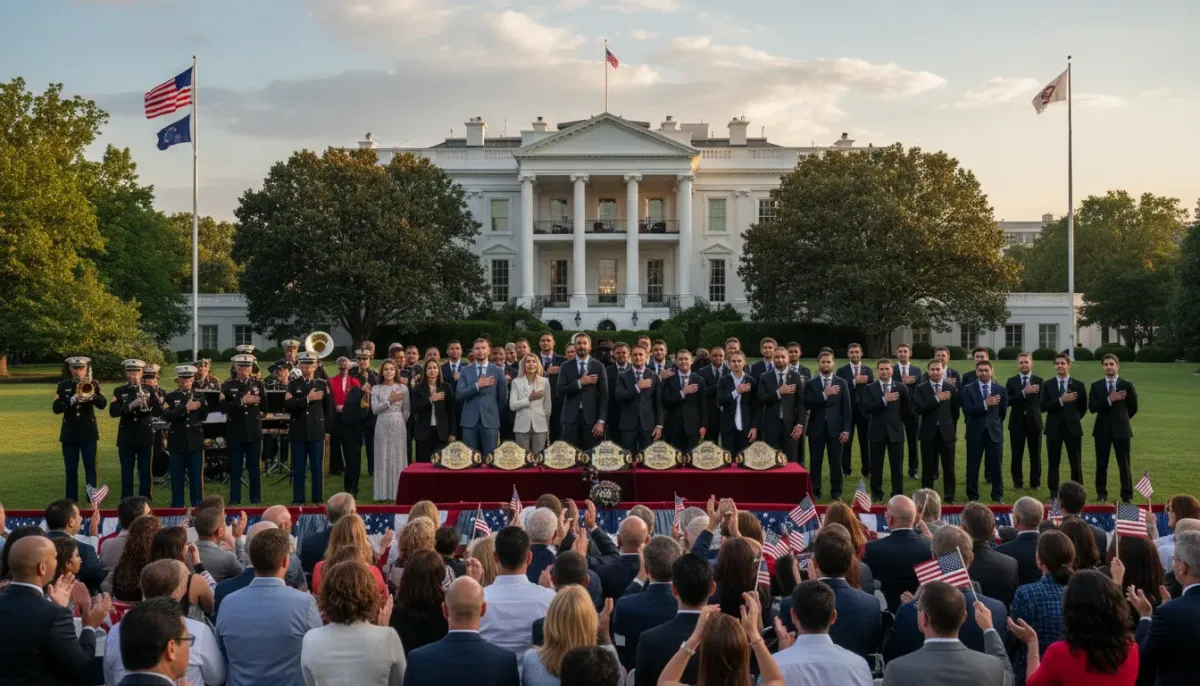
For the first time in more than two decades, the UFC will break from its standard operating procedures to feature a live rendition of the national anthem. The organization has announced that Zac Brown will perform The Star-Spangled Banner at the upcoming White House championship card, marking a significant departure from Dana White's long-standing policy against incorporating national anthems into UFC events.
A Rare Moment in UFC History
Breaking Two Decades of Tradition
The UFC's decision to include a national anthem performance represents a watershed moment for the promotion. Since the early days of the organization, dating back to the UFC's double-digit numbered events, the company has consistently avoided the anthem tradition. This upcoming White House card will be the first time in many years that fight fans will witness this ceremonial element at a UFC broadcast.
The significance of this moment cannot be overstated. For decades, Dana White has maintained a deliberate stance against incorporating national anthems into UFC programming. Now, for what promises to be one of the most prestigious events in the organization's history, the UFC is making a calculated exception to this longstanding protocol.
The Reasoning Behind the Policy
Dana White has been vocal about his reasoning for avoiding national anthems at UFC events. The UFC operates as a truly international business, with fighters, audiences, and broadcast coverage spanning the globe. With events regularly reaching over one billion homes worldwide, White recognized that traditional national anthem performances could create complications.
White has pointed to boxing as a cautionary example, noting that the sport often requires the singing of two national anthems before fights commence. Given the UFC's global footprint and diverse athlete roster, this approach would prove impractical and potentially divisive. The decision to exclude anthems allowed the UFC to maintain its universal appeal without getting entangled in the ceremonial elements tied to specific nations.
Zac Brown Set to Deliver the Performance
The Artist Selection
The choice of Zac Brown to perform the national anthem reflects careful consideration of both artistry and symbolism. Brown brings significant musical credentials and a connection to American cultural moments. His selection for such a high-profile, one-time performance underscores the extraordinary nature of this White House event.
Performing the national anthem at a major sporting event carries considerable weight and responsibility. The artist must balance technical proficiency with the emotional resonance the moment demands. Brown's experience and musical stature position him well to deliver a memorable rendition that honors both the anthem tradition and the occasion itself.
What Makes This Moment Special
The inclusion of a live national anthem performance elevates the White House card beyond a typical championship event. It transforms the broadcast into a cultural milestone for the sport, blending athletic competition with ceremonial tradition. For longtime UFC fans, the novelty of hearing the anthem sung live at a UFC event adds an additional layer of prestige and gravitas to the proceedings.
This decision also signals to audiences that the UFC recognizes the extraordinary nature of this particular event. By breaking its established protocol, the organization underscores that the White House championship card occupies a unique position in the sport's calendar, comparable only to the most significant sporting spectacles.
The White House Card: A Celebration of America
Event Origin and Inspiration
The White House championship card emerged from a concept rooted in celebrating American heritage. The event coincides with the United States' 250th birthday commemoration, making it a patriotic celebration as much as a sporting showcase. President Donald Trump inspired the initial vision for bringing a major UFC event to the White House, recognizing the opportunity to combine the sport's star power with national celebration.
This inaugural White House event represents more than just another UFC championship card. It embodies a merger of combat sports excellence with ceremonial recognition of American achievement and tradition. The decision to include the national anthem aligns perfectly with this broader celebratory context.
Main Card Highlights
The White House card features compelling matchups that reflect the championship-caliber nature of the event. In the co-main event, Alex Pereira faces Ciryl Gane for the interim heavyweight title, with historic implications for Pereira's legacy. A victory would make Pereira the first fighter in UFC history to hold championship belts across three different weight divisions simultaneously.
Pereira's pursuit of this unprecedented achievement adds significant narrative weight to the card. The interim heavyweight title bout serves as the perfect vehicle for this potential piece of UFC history, ensuring that the White House event will be remembered for both its ceremonial elements and its competitive significance.
Dana White's Vision for the Event
Breaking Standard UFC Protocol
Dana White's willingness to depart from the UFC's established anthem policy demonstrates his understanding of context and occasion. The White House card occupies such an extraordinary position in the organization's calendar that it warranted revisiting longstanding principles. This exception doesn't represent a casual decision but rather a recognition of the event's unique status.
White's approach reflects the philosophy that truly exceptional events deserve exceptional treatment. While the UFC's international business model typically dictates against national anthem performances, the patriotic and ceremonial nature of the White House celebration justified this specific departure.
Setting the Tone for Future Events
The question naturally arises whether this moment signals a permanent shift in UFC policy or remains a one-time exception reserved for marquee occasions. Based on White's comments, the anthem performance appears tied specifically to the extraordinary circumstances surrounding the White House card rather than representing a wholesale policy reversal for all future events.
However, this decision does establish an important precedent. It demonstrates that the UFC recognizes certain events merit special ceremonial treatment and that breaking from established protocols can enhance the significance of truly historic occasions. Whether future championship events at prestigious venues adopt similar practices remains to be seen, but the White House card has undoubtedly set a new standard for how the sport honors its most important moments.