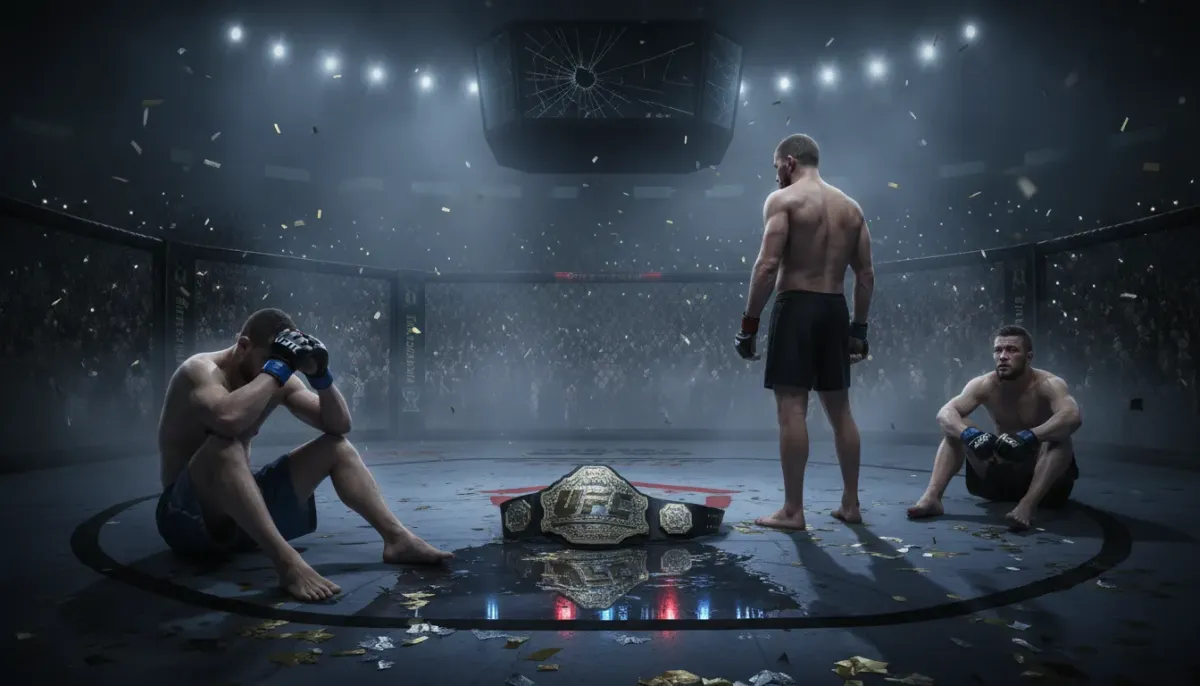
The fallout from a major UFC event always sparks intense debate about which fighters deserve what comes next. Following UFC 326's main card performances, the MMA community finds itself dissecting the implications for some of the sport's most recognizable names. The event delivered decisive results, yet many observers questioned whether the outcomes will lead to compelling future matchups or require strategic recalibration from the fighters involved.
Oliveira's Dominant Win - A Victory That Didn't Inspire
The Wrestling Showcase Against Holloway
Charles Oliveira claimed the prestigious BMF championship through a suffocating wrestling-dominated performance against Max Holloway in the main event. The Brazilian fighter controlled much of the contest through grappling exchanges, ultimately securing every round on the judges' scorecards. While securing a title is undoubtedly significant, Oliveira's methodical approach failed to generate the excitement typically associated with championship-level competition. Fans and analysts noted that dominant performances don't automatically translate into fan enthusiasm, particularly when the action consists primarily of positional control rather than spectacular striking exchanges or submission attempts.
Plotting Oliveira's Championship Path Forward
The central question facing Oliveira now involves identifying opponents who can restore his damaged public perception. Strategic matchmaking becomes crucial when a fighter wins decisively but fails to impress the fanbase. Oliveira requires opponents who present genuine stylistic challenges—fighters with strong striking credentials or wrestling acumen that could produce more engaging exchanges. The champion's next opponent should be carefully selected to either reignite fan interest or establish his legitimacy against elite competition. Meaningful victories over recognizable challengers would significantly impact his standing within the division and potentially attract larger audiences for future title defenses.
Holloway's Road to Recovery
Analyzing the Loss and Future Positioning
Max Holloway faces the difficult task of recovering from a comprehensive defeat in a championship contest. The wrestling-heavy approach employed against him exposed potential defensive vulnerabilities that hadn't been as apparent in previous matchups. For Holloway, the path forward requires careful consideration—another immediate title shot seems unlikely given the decisive nature of his loss. Instead, a strategic rebuild makes more sense, allowing him to address technical deficiencies and face opponents who play to his striking strengths. Understanding what specifically went wrong tactically will inform his training camp and stylistic adjustments moving forward.
Crafting a Compelling Comeback Narrative
Holloway's comeback should prioritize stylistic matchups that complement his aggressive striking approach. Rather than facing another wrestling-heavy opponent immediately, selecting opponents who prefer to exchange on the feet could allow Holloway to showcase what made him effective earlier in his career. A well-timed victory over a division contender could position him favorably for another championship opportunity within a reasonable timeframe. The window for maintaining relevance and earning another title shot remains open, but it requires winning performances that excite audiences and demonstrate his continued place among the division's elite.
Co-Main Event Victors Chart Their Courses
Borralho's Complete Dominance
Caio Borralho delivered an overwhelming performance against Reiner de Ridder in the co-main event, securing unanimous scorecards through controlled striking and effective grappling. This comprehensive victory positions Borralho as a rising contender worthy of testing against higher-ranked opponents. The timing of his advancement matters significantly—he now sits within striking distance of major title opportunities, assuming continued impressive performances. Potential next opponents should be selected from the division's established names, fighters whose names carry weight on promotional cards and whose defeats would meaningfully advance Borralho's credentials as a legitimate threat to the champion.
Rosas Jr.'s Consistent Advancement
Raul Rosas Jr. continued his upward trajectory with a workmanlike victory over Rob Font, demonstrating the consistency expected of rising prospects. While the performance may not have generated significant fan excitement, the result matters more than the manner of victory at his stage of development. Rosas Jr.'s youth provides a significant advantage in career longevity and potential for rapid advancement. Strategic matchmaking over the next several months will determine whether he accelerates toward legitimate title contention or requires additional development against mid-tier opponents. The fighter's trajectory suggests he's approaching the stage where only elite competition will provide appropriate testing grounds for his skills.
Bonus Winners and Momentum Management
Converting Performance Recognition into Opportunity
Draw Dober and Gregory Rodrigues earned performance bonuses at UFC 326, financial recognition that represents more than monetary compensation. Bonus awards typically signal promotional confidence in a fighter's marketability and potential for larger platforms. These fighters should leverage their bonus-earning performances into negotiations for main card positioning on upcoming events. The visibility associated with bonus victories can accelerate career progression when properly capitalized upon through strategic fight selection and media engagement.
Strategic Timing in Career Advancement
The period immediately following impressive performances represents a critical window for career momentum building. Fighters who capitalize quickly with compelling next matchups maintain public interest and media attention. Conversely, extended periods between high-profile performances allow public interest to diminish and competitors to gain ground in divisional rankings. Promotional matchmakers should respond to strong performances with appropriate opposition, balancing genuine competitive tests against calculated stepping stones that advance fighters methodically toward championship contention.
Reshaping Divisional Hierarchies
Impact on Ranking and Championship Implications
UFC 326's results create ripple effects throughout divisional rankings and title contention discussions. Oliveira's victory elevates his championship status, while Holloway's defeat necessitates ranking adjustments that affect numerous other fighters' positioning. Borralho's impressive performance similarly impacts middleweight hierarchies, pushing several established contenders slightly further from immediate title opportunities. These ranking shifts inform future matchmaking decisions, as promotional strategists attempt to position fighters optimally for championship opportunities while maintaining competitive balance within each division.