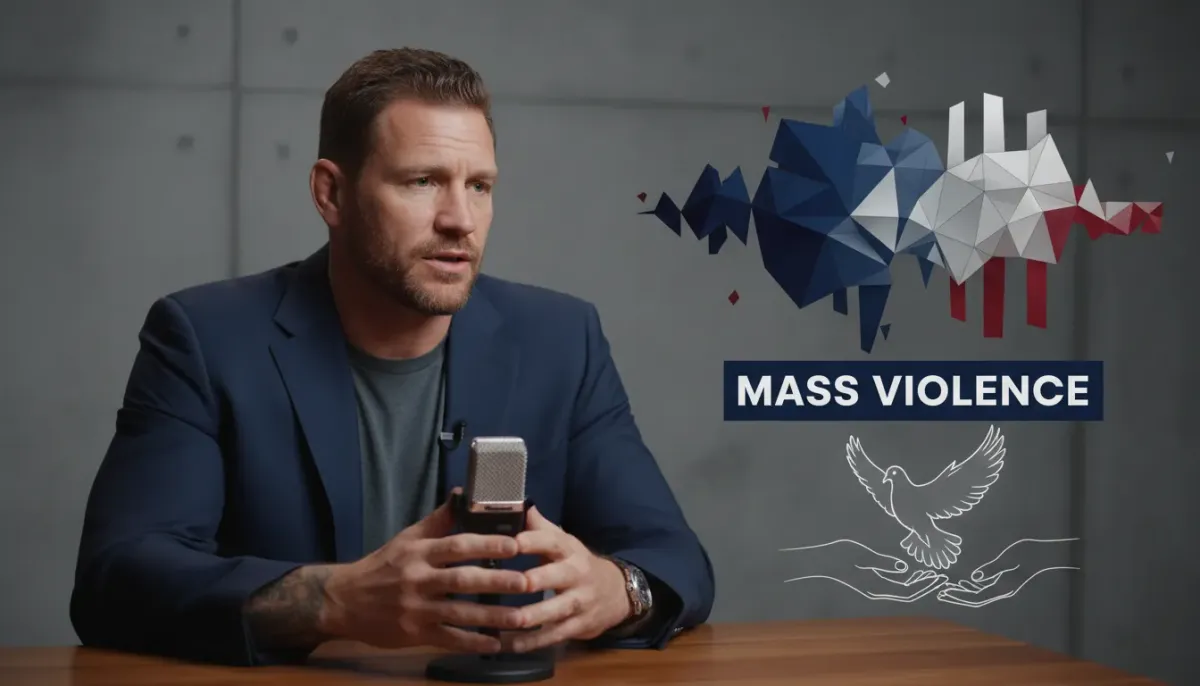
A Fighter's Perspective on Tragedy and Accountability
Combat athletes spend their careers studying violence in controlled environments. Yet when tragedy strikes in the real world, fighters like Matt Brown understand something most observers don't: the profound difference between choreographed combat and the chaos of active threats. Brown's recent commentary about a high-profile incident highlights why voices from those with direct experience matter when discussing mass shooting events. His message cuts through superficial reactions and demands a more thoughtful conversation about how public figures communicate in moments of crisis.
Understanding the White House Correspondents' Dinner Incident
The Security Breach and Emergency Response
A significant security failure occurred when an individual breached protective measures at a major political event in Washington, D.C. The intruder managed to penetrate a security checkpoint before opening fire inside the venue. The response was immediate and chaotic, with attendees forced to seek shelter while Secret Service agents and local law enforcement responded to the active threat. One police officer sustained a gunshot wound but survived due to protective equipment. The suspect was apprehended and faced serious federal charges related to the incident. The event's immediate cancellation left guests traumatized and raised critical questions about venue security protocols.
Controversial Words in the Aftermath
Dana White, present during the incident, was interviewed shortly after being escorted to safety. His characterization of the experience as something remarkable and exciting drew sharp criticism from multiple quarters. Survivors and those with experience in mass casualty events recognized his language as tone-deaf and fundamentally disrespectful to victims and witnesses. The disconnect between White's descriptive language and the genuine threat present at the event sparked broader conversations about how influential figures should address traumatic incidents.
Matt Brown's Voice: A Survivor Speaks Out
A Witness to Unthinkable Violence
The retired UFC welterweight brings particular credibility to this conversation because he has lived through a mass shooting. In 2004, Brown attended a concert at a venue in Columbus, Ohio, where a band performance turned into a horrific tragedy. An individual rushed the stage and began firing, ultimately killing four people including a renowned guitarist. Brown stood near the stage when the violence erupted and witnessed the entire sequence of events, including the moment law enforcement confronted and shot the shooter. This wasn't abstract knowledge for Brown—it was sensory, immediate, and permanently etched into his memory.
Why His Criticism Carries Weight
Brown's perspective deserves attention because he has experienced exactly what White was describing. When someone with genuine exposure to active shooter situations criticizes the language used to characterize such events, their opinion reflects hard-earned understanding. Brown doesn't speak theoretically about trauma or the psychological aftermath—he speaks from memory and lived experience. His frustration with White's comments stems from knowing intimately that mass violence creates nothing remotely resembling entertainment value or excitement.
The Broader Impact of Mass Violence on Everyone Present
The Psychological Cost for First Responders
Brown thoughtfully acknowledged another dimension often overlooked: the lasting trauma experienced by law enforcement officers who must make split-second decisions during active threats. The Columbus police officer who confronted the shooter faced an agonizing choice with mere seconds to decide whether to use lethal force. Such decisions haunt first responders for years afterward, creating psychological wounds that rival those of direct victims. Brown expressed deep respect for the officer's heroism while recognizing the personal cost of that bravery.
Widespread Community Trauma
Mass shooting events create ripples of trauma extending far beyond those directly fired upon. Every person in the vicinity experiences psychological impact. People who escape, people who witness others injured, people who heard gunshots—all carry the experience forward. Brown emphasized that the trauma affects even those who didn't see anything directly but felt the terror of proximity to danger. Recognition of this broader impact contradicts any suggestion that such events contain anything positive or entertaining.
Public Figures and the Responsibility of Language
The Weight of Words from High-Profile Individuals
When someone in White's position makes public statements, millions hear them. His words carry disproportionate influence because of his prominence in sports entertainment. This creates a responsibility that doesn't apply to private citizens expressing reactions in everyday contexts. Public statements about violence should reflect awareness of their reach and their potential impact on survivors, victims' families, and communities still processing trauma.
The Line Between Personality and Appropriateness
Brown demonstrated nuanced thinking by acknowledging that White operates in a space where bold, attention-grabbing comments form part of his brand. Yet Brown drew a clear distinction: certain boundaries exist even for controversial public figures. There are, he noted, countless appropriate ways to describe experiencing a security incident without using language that trivializes violence. The line between generating conversation and generating offense has clear markers.
Combat Sports Culture and Understanding Real Violence
Combat athletes occupy unique positions in discussions about violence. They dedicate careers to controlled physical competition, studying violence systematically. Yet this professional familiarity with combat gives them perspective that pure promotion sometimes obscures. Fighting athletes understand viscerally that real violence differs fundamentally from spectacle. The distinction matters when addressing tragic events. Brown's willingness to speak up reflects a commitment to that understanding, acknowledging that his sport celebrates competition while tragedy demands respect and sensitivity.