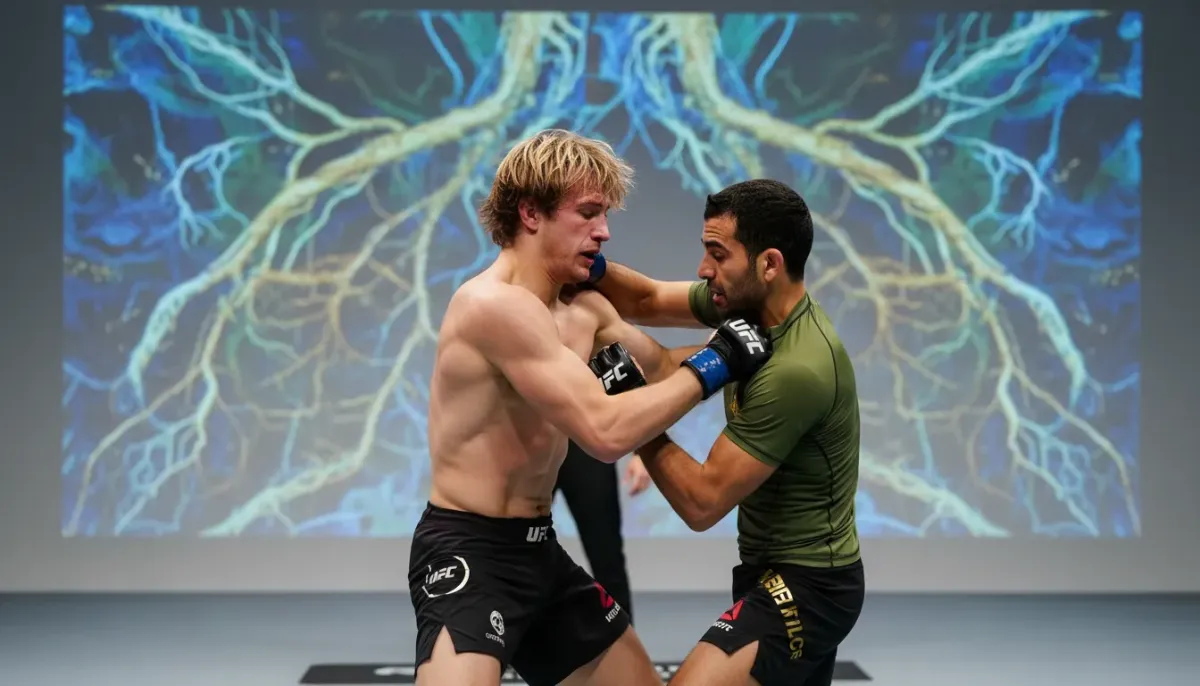
Breaking Down the UFC 326 Performance
Charles Oliveira recently showcased his dominance at UFC 326, capturing the BMF title through a commanding victory over Max Holloway. The contest displayed Oliveira's control-based grappling strategy, which proved decisive throughout the five-round battle. The former lightweight champion systematically used wrestling to neutralize Holloway's striking advantages, maintaining top control and dictating the pace of exchanges.
The Debate Around "Safe" Fighting
Oliveira's conservative approach generated mixed reactions from the MMA community. While his technical execution was flawless, some observers questioned whether his control-heavy gameplan truly captured the spirit of a BMF title fight, which traditionally emphasizes aggressive striking and entertainment value. This stylistic debate highlights the ongoing tension in MMA between tactical efficiency and fan expectations for dramatic performances.
Pimblett's Take on Grappling Hierarchy
Paddy Pimblett has stepped into the conversation with a bold statement regarding his own submission capabilities. The British fighter believes that perceptions of the grappling gap between himself and Oliveira are inflated. Rather than accepting the narrative that Oliveira operates on a fundamentally different level, Pimblett suggests that stylistic matchups matter more than raw credentials alone.
Confidence in His Own Submission Skills
Pimblett's argument centers on the idea that fighting styles don't always align perfectly on paper. He maintains that if the two competitors were to share the octagon, the encounter would likely shift toward striking exchanges where both fighters possess legitimate threat levels. This perspective challenges the assumption that Oliveira's grappling prowess automatically translates to dominance against every opponent. Pimblett respects Oliveira's achievements while maintaining confidence in his own ability to compete at the highest level.
A Potential Lightweight Showdown
The prospect of a Pimblett versus Oliveira matchup intrigues fans and analysts alike. Such a contest would pit Pimblett's versatile striking against Oliveira's submission expertise. Pimblett acknowledges Oliveira's impressive resume but doesn't view a potential fight as a foregone conclusion. The stylistic contrast between these competitors suggests a compelling competitive dynamic rather than a mismatch.
Holloway's Struggle at Lightweight: A Cautionary Tale
Max Holloway's performance at UFC 326 raises important questions about his future at the 155-pound weight class. The featherweight standout faced a grappler of Oliveira's caliber at lightweight for the first time, exposing a potential vulnerability in his skillset. Holloway's dominance as a striker didn't shield him from Oliveira's wrestling-based approach.
The Grappling Problem for Strikers
Holloway's limited experience against grapplers at lightweight proved problematic. His previous lightweight opponents, such as Dustin Poirier and Justin Gaethje, relied on striking exchanges where Holloway's superior volume and combinations provided advantages. However, Oliveira's willingness to control the fight from top position neutralized these strengths entirely, raising questions about whether Holloway can maintain competitive relevance at a weight class populated by larger, more submission-oriented fighters.
Oliveira's Finishing Record Against Elite Opposition
The former UFC lightweight champion has built an impressive resume through high-quality finishes. Notable victories against Justin Gaethje, Dustin Poirier, and Mateusz Gamrot demonstrate Oliveira's ability to dispatch elite contenders. His technical mastery translates across different fight scenarios, whether through submissions, ground control, or striking exchanges. This versatility explains the reputation that precedes him into every competition.
Despite criticism regarding his conservative approach at UFC 326, Oliveira's track record justifies his strategic choices. When you possess elite grappling credentials and a catalog of high-level victories, the pressure to perform excessively diminishes. Pimblett understands this dynamic, which is why he respects Oliveira's decision to prioritize victory through control rather than risk everything for entertainment value.
What Pimblett Could Have Done Differently
Pimblett offered a candid reflection on his own title opportunity at UFC 324, where he competed for an interim lightweight championship against Justin Gaethje. The British fighter suggested he might have benefited from adopting a more control-oriented gameplan, similar to the one Oliveira executed against Holloway. This admission reveals how elite fighters increasingly recognize the value of tactical wrestling and positional dominance in high-stakes competition.
The contrast between fighting for entertainment and fighting to win becomes increasingly relevant at championship levels. While fans appreciate aggressive performances, fighters understand that securing victory through any legitimate means remains the primary objective. Pimblett's perspective suggests he has evolved in his understanding of elite-level MMA strategy.
The Lightweight Title Picture and Future Matchups
Pimblett's position within the lightweight hierarchy continues to develop. His willingness to challenge prevailing narratives about fighter capabilities demonstrates the competitive mindset necessary to advance toward championship opportunities. The lightweight division remains one of MMA's most competitive weight classes, with multiple contenders possessing legitimate claims to title consideration.
As emerging fighters develop their skills, addressing grappling vulnerabilities becomes increasingly essential. Oliveira's dominance at 155 pounds has established the template for lightweight success, proving that wrestlers with submission expertise can neutralize even elite strikers. The evolution of lightweight competition will likely feature more fighters adopting mixed martial arts approaches that balance striking with functional wrestling.