Introduction – More Than Just a Golf Outing
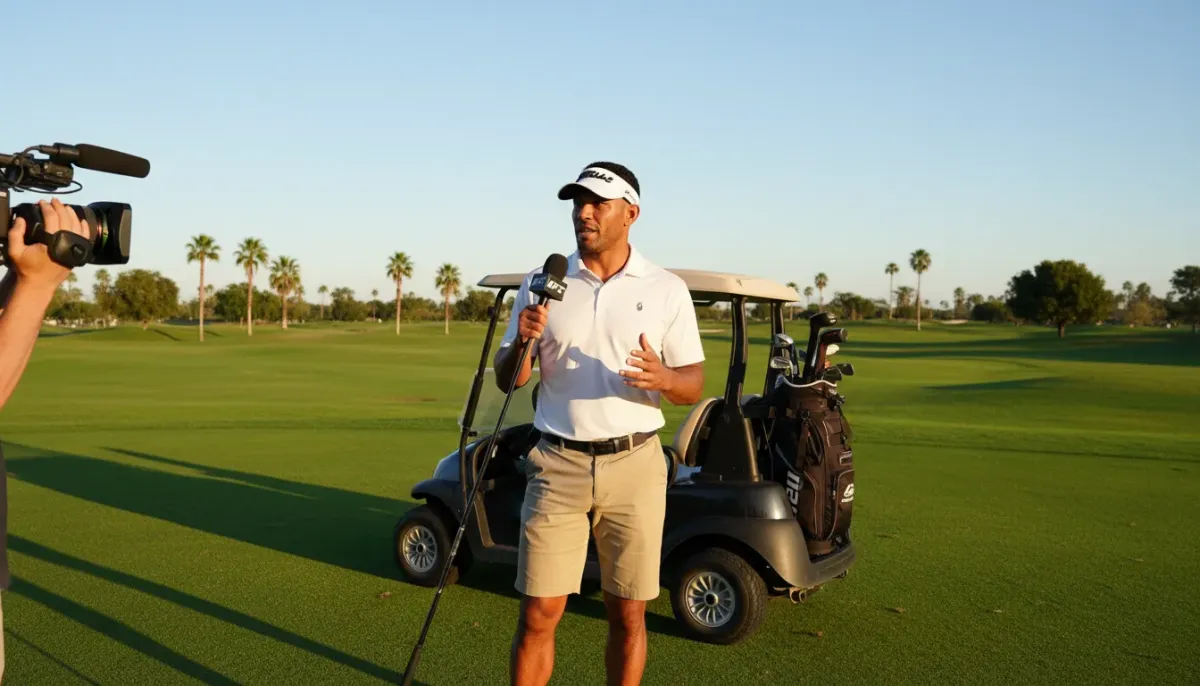
In a refreshing departure from traditional media settings, UFC fighter Colby Covington sat down for an in-depth conversation at Crescent Oaks Golf Club in Tarpon Springs, Florida. What started as a casual nine-hole scramble with MMA Fighting's Mike Heck quickly evolved into a revealing session where the outspoken fighter addressed his mounting frustrations with the organization and his current standing within the sport. The relaxed atmosphere of the golf course appeared to provide the perfect backdrop for Covington to discuss sensitive topics with unusual candor, offering fans a rare glimpse into his mindset during a challenging period in his career.
The White House Card Snub – What Really Happened
Being Left Off the Historic Event
One of the most pressing topics during their conversation centered on Covington's exclusion from the UFC's prestigious White House card. The fighter expressed significant disappointment about being overlooked for an event of such historical magnitude and visibility. Rather than merely accepting the decision, Covington used this moment to articulate his broader frustrations with how the promotion manages fighter opportunities and career progression. The exclusion carried symbolic weight beyond the individual event, highlighting what he perceives as inconsistent treatment compared to other competitors in the organization.
The Bo Nickal Controversy
A contentious claim emerged when Bo Nickal suggested that Covington had declined a potential matchup on the White House card. During the golf interview, Covington directly addressed these allegations, providing his perspective on the situation. He disputed the narrative while discussing the complex factors involved in fight negotiations, including timing considerations and whether the proposed opponent represented a suitable next step in his career trajectory. This exchange underscored the murky world of fight booking, where competing narratives often emerge depending on which party controls the public narrative.
Doubts About the Lineup's Success
Covington didn't stop at addressing his personal exclusion. He also offered critical commentary on the overall composition of the White House card, expressing reservations about whether the promotion had assembled a lineup capable of delivering a compelling event. His concerns extended to predictions about potential execution problems and broader organizational missteps that, in his view, could undermine the event's significance and success.
The UFC Sidelines – Frustration and Idle Time
Sidelined by the Promotion
A recurring theme throughout the interview was Covington's frustration with prolonged inactivity. Being kept on the sidelines of a major promotion carries serious consequences for any fighter's momentum, relevance, and earning potential. Covington articulated how extended periods without competition erode the competitive edge that fighters spend years developing. The emotional toll of watching the sport move forward without him weighed heavily on the conversation, revealing a fighter at a crossroads regarding his future trajectory within an organization that appears to have relegated him to a lower priority status.
Staying Active Outside the UFC
Rather than sitting idle, Covington has channeled his competitive energy into alternative ventures, particularly through Real American Freestyle. This involvement has kept him engaged and maintained his competitive instincts even during UFC downtime. By diversifying his activities and pursuing opportunities outside the organization, Covington has found ways to remain relevant and maintain his mental state. These external projects represent more than mere distractions—they serve as practical examples of how modern fighters must adapt when traditional pathways become constrained.
The Fight That Got Away – Regrets and Missed Opportunities
The One That Didn't Happen
During the interview, Covington reflected on a significant matchup that never materialized—what he characterized as the fight that got away. This unscheduled bout carried implications far beyond a single event, potentially representing a crucial moment for his legacy and career positioning. The fighter discussed what the matchup could have meant for his standing within the division and his long-term trajectory. Whether due to promotion decisions, injury, or other circumstances, this missed opportunity clearly remains a point of reflection and regret that continues to influence how Covington views his current situation.
Does He Have Regrets?
When pressed directly about whether he would alter past decisions, Covington provided honest reflections on the nature of regret in professional fighting. He acknowledged that missed opportunities shape a fighter's perspective and career arc, but he also discussed the importance of moving forward despite what-if scenarios. This balanced approach revealed maturity alongside the obvious frustration, demonstrating that while Covington remains upset about recent developments, he maintains awareness of factors beyond his complete control.
The Welterweight Title Picture – Who Should Face Makhachev Next?
The conversation naturally shifted to competitive analysis of the welterweight division under Islam Makhachev's championship reign. Covington offered his assessment of the current state of the division and identified candidates he believes deserve legitimate consideration for a title shot. His evaluation of potential contenders reflected the analytical perspective of someone who has competed at the highest levels and understands the nuances of divisional ranking. Covington's commentary on legitimate threats to the current champion carried the weight of insider knowledge about what makes a competitor truly dangerous at welterweight, rather than merely capitalizing on hype or favorable matchmaking.
MVP MMA and the Broader Landscape
Covington expressed a positive outlook regarding the MVP MMA card scheduled for May 16, viewing the promotion's activities as beneficial for the overall competitive landscape. He discussed how alternative organizations are reshaping the sport's competitive hierarchy and creating genuine pressure on the UFC to reconsider its practices. The existence of competing promotional options fundamentally changes fighter leverage and organizational dynamics, forcing the establishment to maintain higher standards for fighter treatment and booking decisions. Covington's endorsement of these alternative platforms reflected not just business analysis but also recognition that diversified opportunities benefit fighters across the sport.
A Golfer in the Making – Finding Balance Off the Canvas
Beyond the serious discussions about his career, the golf outing revealed another side of Covington. His competitive instincts extended seamlessly to the fairways, demonstrating how elite athletes carry their drive to excel across different competitive arenas. Golf provided not merely a recreational outlet but a genuine competitive challenge that taps the same psychological wells as combat sports. Whether jokingly or seriously, speculation arose about whether golf might represent a viable alternative career path should the combat sports world disappoint him further. The reality, however, centered on golf's more practical benefit: offering mental respite and psychological balance during turbulent periods in MMA, allowing him to channel competitive energy in a healthier context outside the sport's constant drama.
Raw Honesty in an Unexpected Setting
The golf course setting appeared instrumental in loosening Covington's typically guarded media approach. Without the formal structure of traditional interviews, surrounded by the relaxed atmosphere of Florida golf, he delivered candid remarks about promoters, opponents, and the sport's direction with unusual directness. This departure from conventional media environments highlighted how environment profoundly influences athlete communication and transparency. His willingness to address controversial topics with honesty revealed a fighter processing genuine frustration and seeking to set the record straight on multiple fronts simultaneously, offering audiences an unfiltered window into the mindset of a competitor at a critical juncture in his career.