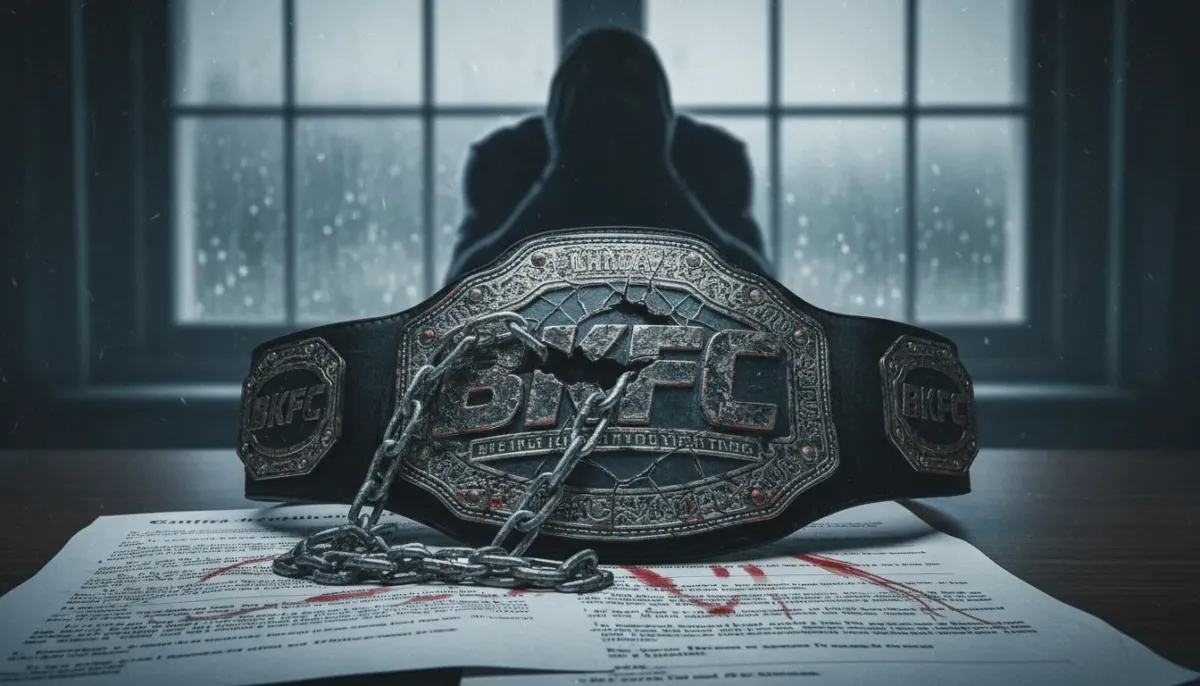
A Champion Without Opponents: The Current Situation
John Dodson finds himself in an unusual predicament that highlights deeper issues within promotional management in combat sports. The UFC veteran turned bare-knuckle fighter holds the BKFC flyweight title, yet has been unable to secure a fight for over a year. His most recent competition took place in March 2024, leaving him in an extended period of inactivity that becomes increasingly problematic as he approaches his early forties.
This situation represents more than just a scheduling inconvenience. At 41 years old, Dodson understands that every month away from competition matters significantly in combat sports. The window for remaining competitive years is finite, and extended periods without action can erode both physical sharpness and career momentum. Despite feeling prepared and eager to compete, the fighter remains trapped in a waiting pattern with no clear resolution in sight.
The irony cuts deep: Dodson holds one of the promotion's most prestigious belts yet struggles to exercise the fundamental responsibility of a champion—defending that title. This contradiction between title status and actual opportunity has become the central source of his frustration with BKFC management.
From Success to Stagnation: Dodson's BKFC Journey
The Strong Start in Bare-Knuckle
Dodson's transition to bare-knuckle fighting began with considerable promise. His initial record in BKFC stood at an impressive 4-0-1, a remarkable start that culminated in capturing the promotion's flyweight championship. This early success established Dodson as a legitimate force within the bare-knuckle division and suggested he would become a cornerstone athlete for the promotion going forward.
The Champion's Summit Turning Point
Everything shifted when BKFC invited Dodson to attend a champions summit in Florida during July. This gathering of the promotion's elite fighters, which notably featured prominent figures in the sport, served as the backdrop for a critical contractual decision. BKFC presented Dodson with an exclusive deal that would bind him exclusively to the promotion, ending his previous arrangement where he split time between bare-knuckle competition and fights in RIZIN Japan.
At that same summit, Dodson was forced to watch an interim flyweight championship fight take place—a matchup he had explicitly requested to participate in. When told that neither fighter was deemed ready to face him, Dodson believed the winner would eventually become his opponent. However, complications emerged when Andrew Strode vacated the title and Gee Perez began fighting extensively elsewhere, leaving Dodson without a clear path to competition.
The Exclusivity Trap: Understanding Contract Restrictions
What the Contract Actually Prevents
The exclusive BKFC agreement imposed sweeping restrictions on Dodson's professional activities. The contract prohibits any participation in combat sports disciplines outside BKFC, extending far beyond traditional bare-knuckle boxing restrictions. Mixed martial arts competition became off-limits, as did jiu-jitsu tournaments and professional wrestling. The agreement even threatens title vacation should Dodson pursue any unauthorized combat activity.
The Irony of Promotion Requests
Despite these restrictions, Dodson received multiple lucrative opportunities. RIZIN expressed serious interest in bringing him back for MMA competition. Boxing promotions sought his participation. Various other combat sports organizations made inquiries about his availability. Yet Dodson remained unable to pursue any of these opportunities, effectively held hostage by contractual language he signed expecting it would lead to increased activity rather than prolonged inactivity.
The Waiting Game: Excuses Without Action
Since signing the exclusive agreement, Dodson claims BKFC has provided only excuses regarding fight scheduling. He has communicated repeatedly with management seeking concrete dates and opponents, but no firm commitments have materialized. The interim championship creation appears to have solved internal organizational challenges while simultaneously leaving the sitting champion in limbo.
Dodson questions whether BKFC's ambitious tournament announcements and event planning have simply overshadowed individual championship scheduling. The promotion announced major tournaments and spectacular events, yet the current flyweight champion remains sidelined. This disconnect between promotional priorities and champion opportunities represents a fundamental failure in fighter management and organizational planning.
A Champion's Legitimate Grievances
The Promotion Imbalance
Dodson argues that holding the title comes with inherent promotional responsibilities that should be reciprocated with guaranteed opportunities. He actively participates in public appearances and events, effectively promoting BKFC's flyweight division to the broader combat sports community. Champions serve crucial functions in building promotion credibility and fan interest, yet he finds himself denied the basic right to defend his title.
The Risk of Career Wasted Time
At 41, Dodson cannot afford extended layoffs. Extended periods away from competition during the final years of a combat sports career represent lost opportunities that cannot be recovered. Each month brings him closer to a point where returning to elite-level competition becomes increasingly difficult. The frustration stems not from entitlement but from recognition that promotional failure is directly consuming his remaining competitive window.
What This Reveals About BKFC's Operations
Dodson's situation exposes structural issues within BKFC's championship management and fighter relations. The promotion's inability to maintain an active champion raises questions about operational capacity and organizational priorities. These concerns extend beyond one fighter's grievance to suggest broader patterns that may discourage quality talent from accepting exclusive agreements with the promotion.
The fundamental question becomes whether exclusive contracts genuinely benefit fighters or primarily serve promotional interests at fighter expense. When signing an exclusive deal results in reduced rather than increased activity, the value proposition becomes questionable. This situation creates potential precedent that could influence how future fighters approach negotiations with BKFC and other bare-knuckle promotions.