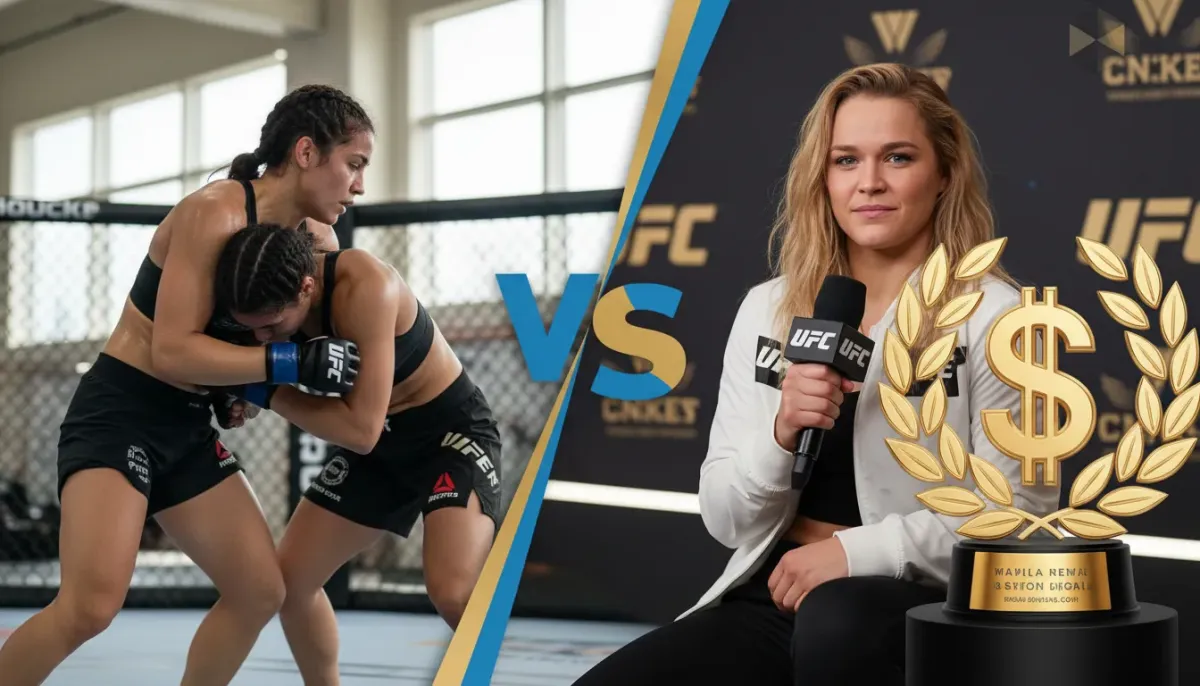
The rivalry between Kayla Harrison and Ronda Rousey has evolved into a compelling debate about what truly defines greatness in mixed martial arts. Once united by their shared background in competitive judo, these two athletes have publicly clashed over fundamental differences in how they view combat sports success and legacy.
A Fractured Friendship Rooted in Judo
Harrison and Rousey's relationship traces back to their days as competitors in the Olympic judo circuit, where they trained together and shared professional respect. Their connection, however, has deteriorated significantly in recent times. A notable point of contention emerged when Harrison disputed Rousey's account of a specific training session, calling into question the accuracy of Rousey's narrative. This initial disagreement spiraled into a broader public dispute, with Rousey responding by dismissing Harrison's comments while simultaneously promoting her upcoming competitive return. The transformation from allies to public adversaries reflects deeper philosophical divisions about how each fighter approaches their career in professional fighting.
The Netflix Spectacle: Rousey's Comeback Against Carano
Unprecedented Reach and Platform Scale
Rousey's return to professional competition features a matchup against Gina Carano scheduled for May, with the bout streaming on Netflix to over 325 million subscribers worldwide. This unprecedented platform creates genuine potential for record-breaking viewership numbers. Rousey has consistently emphasized the magnitude of this event, framing it as potentially historic based on its global reach and commercial scale. The streaming platform's vast audience fundamentally changes how the fight industry measures significance, moving beyond traditional metrics like cable buys and arena attendance.
Financial Incentives and Compensation Concerns
Rousey has publicly addressed her earnings concerns, noting that despite the grandeur of her comeback event, her current compensation falls short of what she earned during her previous peak in professional fighting over a decade ago. This financial reality shapes how she perceives the importance of the Carano matchup. For Rousey, securing a substantial payday through mainstream visibility becomes intertwined with validating her return to the sport after an extended absence.
Harrison's Contrasting Philosophy on Athletic Excellence
Redefining What Constitutes Greatness
Harrison presents a fundamentally different perspective on what constitutes true achievement in mixed martial arts. She argues that genuine athletic greatness stems from pursuing excellence through meaningful competition, not from accumulating viewership numbers or commercial success. In her view, the Netflix audience size, while impressive, does not automatically elevate a bout to historic status. Harrison's criticism focuses on the specifics of Rousey's opponent situation: facing an athlete who has not competed professionally in seventeen years and is in her forties, against an opponent with two consecutive knockout losses and a ten-year absence from competition. These factors, Harrison contends, diminish claims of historic significance regardless of platform visibility.
The Championship Path to Legitimacy
Harrison's own competitive vision contrasts sharply with Rousey's approach. She is pursuing a championship bout against Amanda Nunes, a matchup she positions as the legitimate test of historical significance. This fight would potentially crown the greatest women's fighter in the sport's history, Harrison argues, representing authentic athletic competition at the highest level. Her focus remains on earning legitimacy through facing elite contemporary competition rather than generating attention through celebrity-driven matchups with returning legends.
Analyzing the Core Athletic Argument
The substance of Harrison's criticism rests on factual observations about fight experience and competitive viability. When assessing whether a bout qualifies as historically great, multiple factors merit consideration beyond viewership projections. The time both competitors have spent away from professional action, their recent competitive records, and the quality of opposition all factor into evaluating a fight's ultimate sporting significance. Harrison's position suggests that Netflix's impressive subscriber base, while commercially valuable, cannot substitute for the competitive factors that traditionally define legendary bouts in combat sports history.
Personal Dynamics and Emotional Undertones
Beyond the technical debate, Harrison has offered psychological insight into what drives Rousey's public statements. She suggests that jealousy and envy may fuel Rousey's apparent frustration with Harrison's emergence as a dominant force in contemporary women's MMA. Harrison's measured response—describing her peaceful life while Rousey broadcasts her anger—highlights the emotional gap between these former teammates. This contrast underscores how differently each athlete has chosen to pursue their post-Olympic career in fighting, with Harrison seemingly unbothered by competitive comparisons while Rousey appears invested in defending her historical positioning.
Acknowledging Pioneering Contributions
Despite their rivalry, Harrison has publicly recognized Rousey's undeniable impact on women's mixed martial arts. She acknowledges that Rousey's pioneering work directly enabled opportunities for the next generation of female fighters, including herself. This balanced perspective reveals that Harrison's criticism targets specific claims about the Carano fight's historical significance rather than dismissing Rousey's overall contributions to the sport. The disagreement centers on current positioning and future claims rather than historical assessment.
Harrison's Current Status and Recovery
Harrison's trajectory has been momentarily delayed by necessary medical intervention. Following neck surgery, her previously scheduled championship bout against Amanda Nunes, originally set for UFC 324 in January, was postponed. Reports indicate that her recovery is progressing positively, with expectations for her return to competition within the coming year. This medical pause provides context for why Harrison maintains focus on legitimate championship-level opportunities rather than pursuing high-profile comeback narratives centered on commercial appeal and global platform visibility.