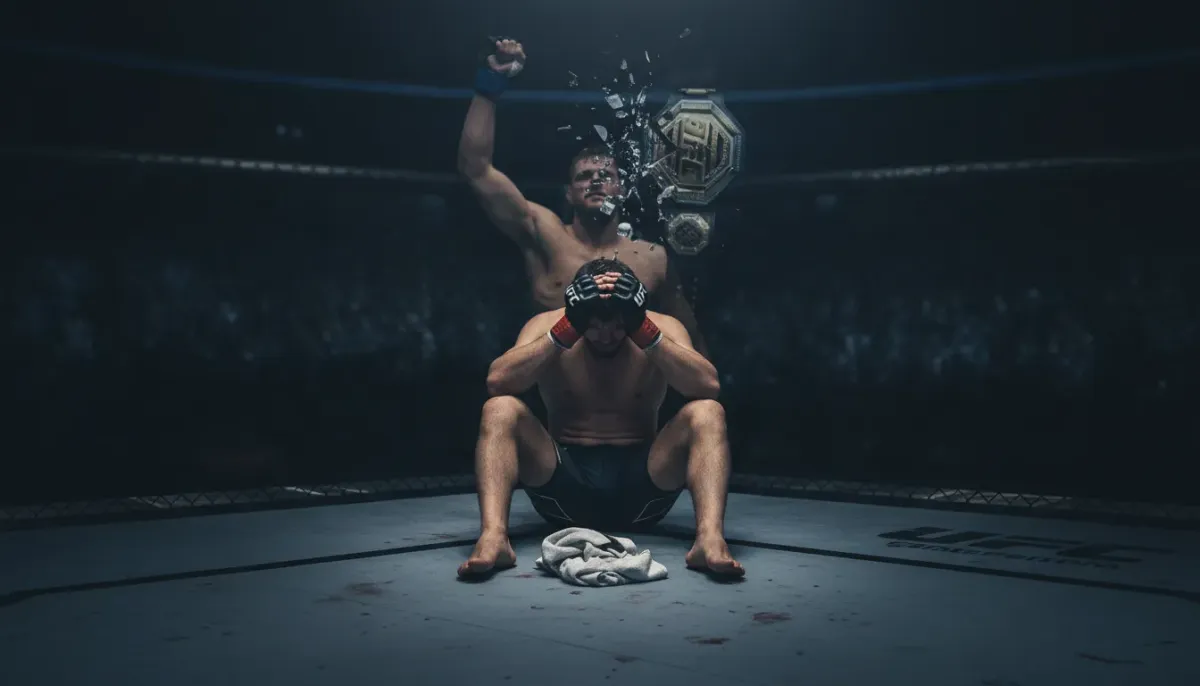
The shockwave from Jiri Prochazka's stunning knockout loss at UFC 327 continues to reverberate through the MMA community. What began as a dominant performance unraveled dramatically when his opponent Carlos Ulberg suffered a severe knee injury mid-fight, yet still managed to land the finishing blow. In the weeks following this unexpected turn of events, Prochazka has finally offered a candid reassessment of what truly transpired inside the octagon, addressing the mounting criticism from fellow fighters and dismissing claims he showed mercy to his injured rival.
Reframing the Narrative: From Mercy to Mental Lapse
The Initial Controversy
Immediately after his loss, Prochazka suggested he had exercised restraint and compassion toward Ulberg following the leg injury. This characterization drew swift and harsh rebuttals, with Ulberg directly calling out what he viewed as an excuse-making narrative. The fighter's post-fight commentary sparked considerable debate across social media platforms and MMA analysis circles, with critics questioning the validity of showing mercy in a championship bout.
The Actual Story
Upon reflection, Prochazka has clarified that his account was fundamentally misleading. Rather than consciously choosing mercy, he lost critical focus the moment Ulberg's injury occurred. This mental shift proved catastrophic. Prochazka acknowledged that witnessing a serious injury triggered a psychological response that fundamentally altered his approach to the fight. He drew parallels to his own experience with leg injuries sustained during a previous bout in Japan, allowing him to recognize the severity of Ulberg's condition and inadvertently losing the killer instinct required to capitalize on the moment.
Operating in the Shadows: A Performance Collapse
Diminished Capacity
Perhaps most revealing was Prochazka's admission regarding his actual fighting performance following the injury. The fighter stated unequivocally that he was operating at only 40 to 50 percent of his normal capability. This dramatic reduction in performance level explains the sudden vulnerability that led to his defeat. Rather than maintaining the intensity and focus required to finish an injured opponent, Prochazka transitioned into what he described as a sparring mindset—essentially waiting passively for the referee to intervene.
A Strategic Failure
This mental shift represented one of his biggest tactical mistakes in professional competition. By assuming the fight was already decided, Prochazka created the exact opening Ulberg needed. Despite operating with a compromised leg and severe pain, Ulberg remained mentally sharp. He landed a perfectly timed hook that caught the supposedly dominant fighter off-guard and sent him to the canvas before the opening round concluded. The championship slipped away because Prochazka had mentally surrendered before his opponent had.
Ulberg's Heroic Performance Against the Odds
Resilience Under Pressure
What deserves recognition is Ulberg's extraordinary composure and determination. Rather than retreating to his corner after suffering the injury—a decision that would have likely resulted in a corner stoppage due to the severity of the damage—Ulberg maintained his fighting spirit. Medical personnel would have almost certainly prevented his continuation between rounds given the serious nature of the knee injury. Instead, Ulberg pressed forward despite the pain and capitalized on Prochazka's mental lapse.
Seizing Victory
This victory exemplifies the unpredictable nature of combat sports. Ulberg demonstrated that physical damage, while significant, need not determine the outcome when a fighter maintains mental fortitude. He claimed the vacant light heavyweight title through sheer willingness to fight through adversity while his opponent psychologically checked out.
Dismissing External Noise and Critics
Prochazka has addressed the growing chorus of criticism from various fighters and analysts. Notable figures like Paulo Costa and Magomed Ankalaev have questioned his performance and approach. Rather than engaging in a prolonged public dispute, Prochazka dismissed these detractors with indifference, symbolically blowing them a kiss and refusing to dignify their commentary with substantive response.
He even questioned whether Ankalaev was personally managing his own social media presence, suggesting the criticism lacked authenticity. Prochazka's approach reflects a measured strategy: avoid becoming entangled in public feuds with fighters offering commentary from the sidelines.
Family Focus and the Road Ahead
Beyond the octagon drama, Prochazka's priorities have shifted dramatically. Upon returning home from Miami, he welcomed the birth of his first daughter, and fatherhood has become his primary focus. He emphasized that while the fight generates intense emotions that continue to battle within him, being present for his growing family takes precedence.
Regarding future competition, Prochazka indicated he would begin discussing comeback negotiations within approximately one month. This timeline allows him to establish stability at home while the emotional weight of the loss settles. Despite the setback, he maintains championship ambitions and has boldly predicted that he will secure another title opportunity before Ulberg returns to competition following knee surgery. The defeat, rather than diminishing his resolve, appears to have reignited his competitive fire and determination to reclaim championship glory.