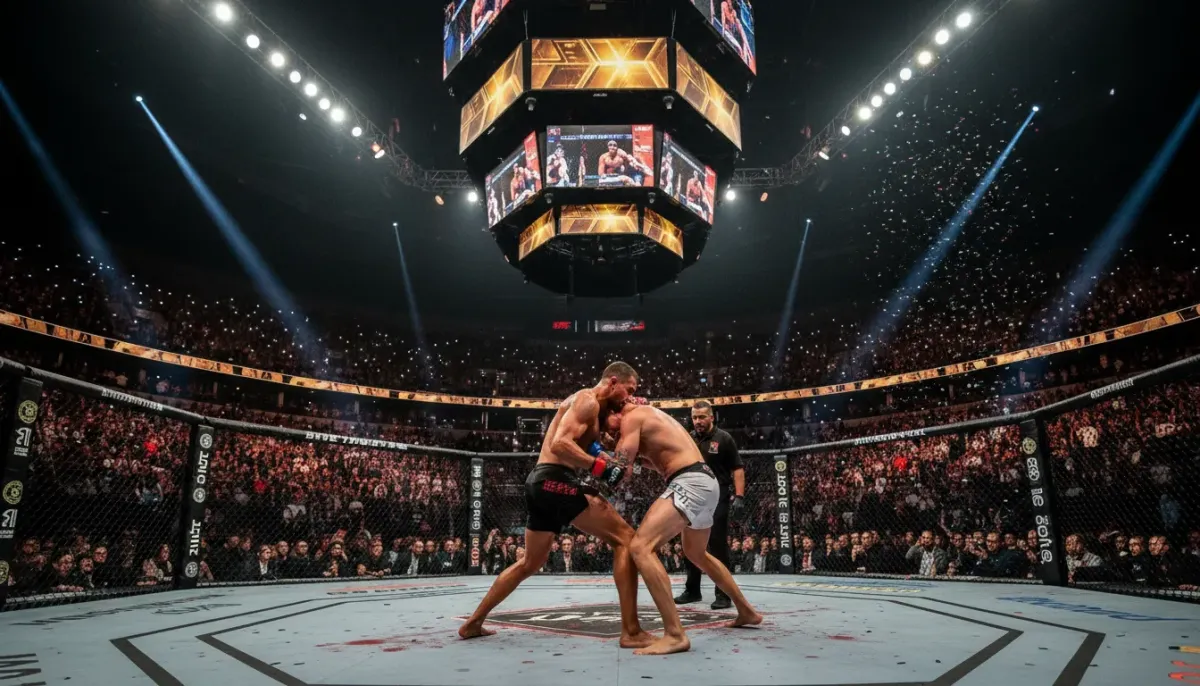
The Return of UFC to Broadcast Television
Mixed martial arts achieved a significant milestone when UFC 326 aired on network television, marking a triumphant return to primetime broadcasting. The event showcased why combat sports continue to captivate audiences nationwide, drawing substantial viewership numbers that reflect growing interest in MMA. This broadcast represented the inaugural event under a groundbreaking partnership between the UFC and major television networks, signaling a new era for the sport's accessibility to mainstream audiences.
The agreement between the UFC and its broadcast partners brings professional fighting back to traditional television after several years of streaming and cable dominance. For longtime fans and casual viewers alike, this transition means that premier MMA matchups will once again be available through conventional television broadcasts. The strategic importance of this move cannot be overstated, as it expands the sport's reach beyond digital platforms and reintroduces combat sports to households that may not subscribe to streaming services.
UFC 326 featured an exceptional main card headlined by Max Holloway and Charles Oliveira, two elite fighters known for their technical prowess and fan-friendly fighting styles. The supporting card demonstrated the depth of talent within the organization, with multiple fighters delivering memorable performances that captured viewer attention throughout the broadcast window.
Breaking Down the Numbers: What the Ratings Tell Us
Peak Viewership and Average Performance
The broadcast delivered impressive metrics that exceeded industry expectations for combat sports programming. The event peaked at 3.1 million viewers on the network broadcast portion, demonstrating strong audience engagement during prime hours. Throughout the two-hour window dedicated to network television, the card maintained an average audience of 2.47 million viewers, indicating consistent viewer retention from start to finish.
When analyzing the main card performance specifically, which commenced at 9 p.m. ET, the numbers grew even more impressive. The main event portion averaged approximately 2.8 million viewers, showcasing how the marquee matchups successfully retained and even grew the audience as the evening progressed. These figures suggest that viewers remained invested throughout the broadcast, with the highest-profile competitors drawing the largest audience share.
Notable performances contributed to these strong numbers, particularly Gregory Rodrigues' spectacular knockout victory over Brunno Ferreira. The dramatic conclusion of that bout likely contributed to audience peaks during the televised portion, demonstrating how compelling finishes directly impact viewership metrics.
A Decade-Long Achievement
These ratings represent the most successful linear television broadcast for the UFC in over ten years. The promotion's previous network television partnership with FOX established the benchmark against which current performance is measured. The current numbers signal that audiences remain hungry for professional MMA when presented through traditional broadcast channels.
This achievement carries substantial significance for the sport's long-term visibility strategy. Returning to broadcast television after an extended period demonstrates the continued commercial viability of MMA programming in primetime slots, validating the investment by both the promotion and the network in this comprehensive broadcast agreement.
A Landmark Partnership Takes Shape
The Seven-Year Deal Explained
The partnership between the UFC and its broadcast partners represents a seven-year agreement valued at $7.7 billion, making it one of the most substantial media deals in combat sports history. This arrangement fundamentally restructures how UFC content reaches audiences, creating a hybrid distribution model that accommodates both traditional television viewers and digital streaming audiences.
Under this agreement, the broadcasting strategy employs a strategic window approach. Specifically, two hours of each selected event air on network television during primetime slots, allowing free access to mainstream audiences. Simultaneously, the complete event card airs on the dedicated streaming platform, ensuring subscribers receive comprehensive coverage of all preliminary and main card fights. This dual-approach strategy maximizes total viewership across multiple platforms while maintaining the value proposition for streaming subscribers who enjoy extended coverage.
UFC 326 demonstrated how this model operates in practice, with the network portion airing from 8 p.m. to 10 p.m., capturing viewers during peak television hours while the full card remained available through digital channels for those seeking complete coverage of every bout.
Notable Moments from the Broadcast
The televised portion featured several compelling moments that maintained audience interest throughout the window. Gregory Rodrigues' dominant performance and explosive finish served as a highlight that demonstrated the quality of athleticism on display. The main event clash between Holloway and Oliveira promised technical excellence and competitive intensity, characteristics that appeal to both dedicated MMA enthusiasts and casual observers encountering the sport through network television.
Historical Context: CBS and Combat Sports
A Storied Past with MMA
The current broadcaster has a rich history with combat sports programming, having previously aired events featuring other MMA organizations. Past partnerships included associations with Elite XC, Strikeforce, and Bellator MMA, establishing the network as an experienced platform for professional fighting content. These relationships demonstrate long-term network confidence in the commercial appeal of mixed martial arts.
A notable precedent occurred in 2008, when the network broadcast a Kimbo Slice versus James Thompson matchup that achieved approximately 4.3 million viewers at peak times. That event established expectations for what elite combat sports programming could achieve on network television. The current UFC broadcast, while achieving slightly lower peaks, demonstrates sustained audience interest and validates the strategic importance of maintaining network television presence for the sport.
The Streaming Factor
While network viewership data receives public attention through established ratings systems, the complete picture of audience engagement must account for streaming consumption. The dedicated streaming platform carries the entire event card, allowing comprehensive viewing for subscribers who prefer digital access. However, streaming viewership metrics remain proprietary information, not disclosed publicly, making total audience calculations impossible to determine with precision.
This strategic distinction between public and private viewership data highlights the evolving media landscape where total consumption spans multiple platforms, yet comprehensive metrics remain fragmented across different measurement systems and private corporate data repositories.
What's Next for UFC on CBS
Upcoming Broadcast Plans
Following the successful UFC 326 broadcast, speculation surrounds which events will receive network television treatment during the agreement period. The promotion has indicated that multiple events annually will air across broadcast and streaming platforms, though specific schedules have not been finalized. The forthcoming UFC Freedom 250 event, scheduled for the White House venue in June, represents a candidate for network broadcast consideration given its historical significance and promotional importance.
The organization maintains strategic flexibility in determining which events receive television placement, allowing for deliberate selection of marquee matchups and significant venues that justify investment in primetime broadcast coverage.
Building Momentum in Long-Term Growth
Consistent presence on network television establishes cumulative benefits for the sport's mainstream profile. Regular primetime exposure increases fighter recognition among casual audiences, enhances sponsorship value, and creates new entry points for potential fans discovering MMA through traditional media rather than digital platforms. The success of UFC 326 provides momentum for continuing this strategic broadcasting approach throughout the agreement period and beyond.