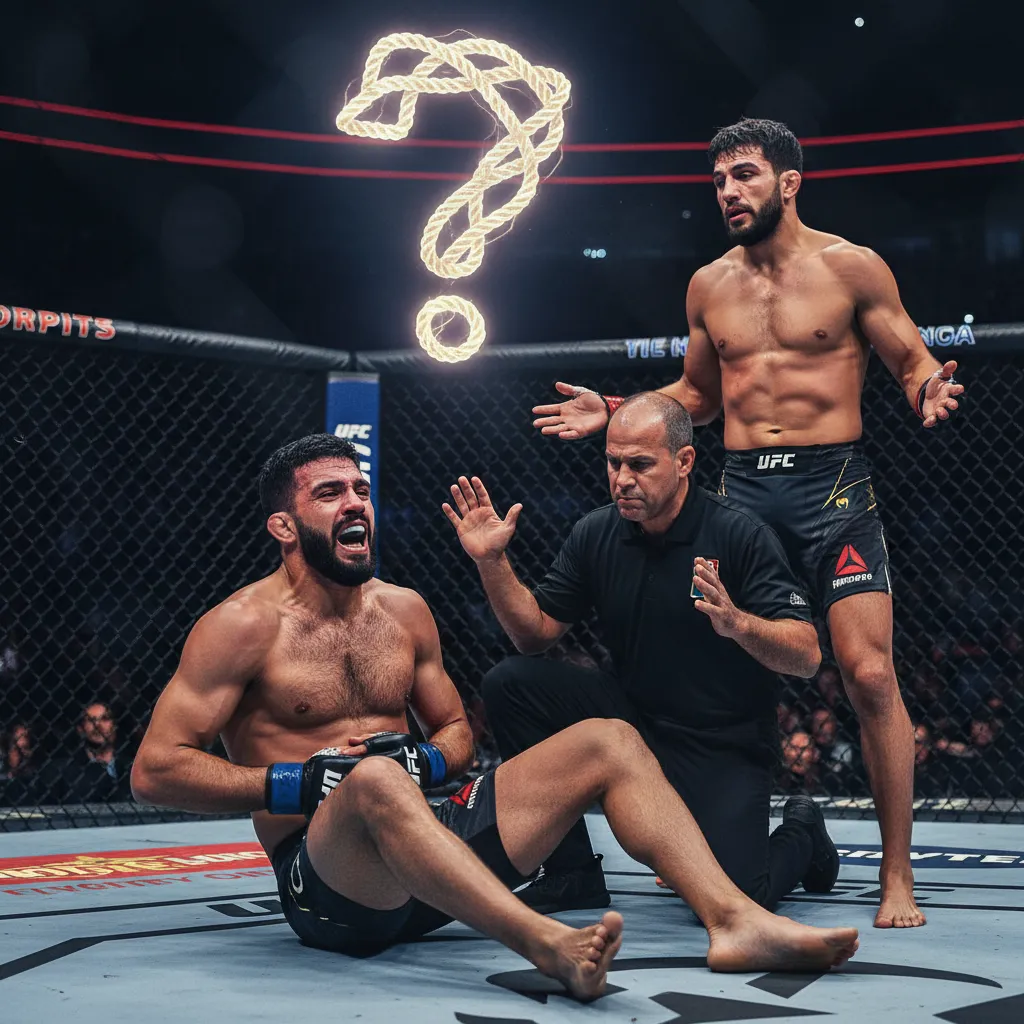
The main card opener at UFC Houston delivered more than just competitive fighting—it sparked a heated debate about sportsmanship and legitimacy. Michel Pereira's split decision victory over Zachary Reese ended a concerning three-fight losing streak, but the manner in which he secured the win has left fans and fellow competitors questioning his tactics in the octagon.
A Victory That Divided the Arena at Toyota Center
When Michel Pereira's hand was raised at the end of his bout against Zachary Reese, the reaction from the crowd at Toyota Center told a clear story. Rather than celebrating a decisive performance, the arena erupted in boos and skepticism. The fight itself had been entertaining and technically engaging, yet it was consistently interrupted by controversial moments that made many spectators uncomfortable.
Pereira's split decision triumph marked an important turning point in his UFC career following three consecutive losses. However, this comeback victory would come with significant asterisks due to three separate instances where the fighter complained of illegal strikes. The bout became less about dominant striking exchanges and more about controversial stoppages that left observers questioning whether the complaints were entirely legitimate.
The pacing of the fight suffered considerably as a result, with momentum repeatedly disrupted by these disputes. What could have been a showcase of Pereira's skills instead became a showcase of something entirely different—a pattern that would quickly dominate social media conversations and fighter commentary long after the final bell.
Three Pivotal Moments That Sparked Debate
The Opening Low Blow Controversy
Early in the contest, Pereira initiated the first of what would become a recurring complaint. A kick from Reese reportedly traveled below the belt, prompting Pereira to signal to referee John Kavanagh that he had been fouled. The fighter's reaction was immediate and visible, requesting intervention and recovery time as the rules allow.
When the broadcast presented multiple replays from different angles, the footage offered no definitive confirmation that an illegal strike had actually occurred. This pattern of inconclusive evidence would become characteristic of all three incidents that evening. The question hanging in the air was whether Pereira had genuinely been struck illegally or whether he was being overly reactive to contact that fell within the rules.
The Second Low Blow Allegation
As the match progressed, Pereira raised another complaint about a low kick from his opponent. The referee again halted the action, and Pereira was afforded recovery time as permitted under UFC regulations. Once more, Paramount+ broadcast replays of the contested strike, and once more, the footage remained inconclusive about whether a true foul had transpired.
By this point, observers watching at home and in the arena were beginning to form opinions about the legitimacy of these complaints. The pattern of stoppages, recovery time granted, and then inconclusive footage created a narrative that many felt suggested embellishment rather than genuine injury.
The Eye Poke Incident
The third controversial moment involved Reese extending his fingers toward Pereira's face, prompting a visible flinching reaction. Pereira's response was dramatic and immediate, suggesting eye contact rather than an actual eye poke. The referee allowed the action to continue after this incident, and once again, the evidence remained inconclusive about the severity or even the actual occurrence of illegal contact.
The Crowd's Reaction: A Venue Full of Doubt
The atmosphere at Toyota Center grew increasingly skeptical as these moments accumulated. Booing echoed through the venue with increasing intensity, not directed at a clearly losing fighter, but rather at the perceived gamesmanship unfolding before them. The crowd's energy provided a real-time barometer of public sentiment, suggesting that a significant portion of viewers believed Pereira was being theatrical rather than genuinely fouled.
This kind of crowd reaction carries weight in combat sports, as it typically reflects not just entertainment disappointment but also a perception of dishonesty. The fans at the venue could see the action clearly, and their skepticism suggested they were witnessing embellishment rather than legitimate safety infractions. This dynamic made Pereira's victory feel less like a competitive triumph and more like a controversial outcome engineered through questionable tactics.
The Fighter Community Speaks: Harsh Judgments on Social Media
Cody Durden's Blunt Assessment
Following the bout, professional fighters took to social media to share their perspectives. UFC competitor Cody Durden offered a particularly sharp critique, declaring that "Pereira will milk anything you give him." This observation suggested that Durden perceived a pattern where Pereira actively amplified minor contact into major infractions, capitalizing on any opportunity to halt momentum and secure recovery time.
The commentary was unmistakably critical, suggesting that Pereira's approach to the fight went beyond simply reporting legitimate fouls. Instead, Durden implied an active strategy of exaggerating contact to gain tactical advantages during the bout.
Azamat Bekoev's Humorous Criticism
Fellow fighter Azamat Bekoev approached the situation with biting humor, awarding Pereira the "best male actor award" on social media. This tongue-in-cheek reference clearly suggested that Bekoev viewed Pereira's performance in the octagon as theatrical rather than genuine, drawing a direct parallel to acting rather than fighting.
The sarcasm in this comment made the point even more cutting—rather than directly accusing Pereira of lying, Bekoev framed the behavior as a performance, implying that Pereira was engaged in entertainment acting rather than legitimate athletic competition. This kind of public criticism from established fighters carries significant weight in the MMA community.
Broader Professional Sentiment
The criticism from Durden and Bekoev was not isolated outliers. Rather, they represented a broader sentiment within the fighter community who witnessed the bout. Other professionals in the sport publicly questioned the legitimacy of Pereira's complaints, suggesting that his approach to the fight had damaged his credibility and reputation within MMA circles. Such reactions matter because fellow competitors possess the expertise to evaluate authenticity in ways casual viewers might not.
The Delicate Balance: Legitimacy Versus Embellishment in MMA
Understanding this controversy requires acknowledging that fouls in combat sports are genuine safety concerns. Low blows can cause serious injury, and eye pokes represent legitimate threats to fighter health. Referees have a responsibility to protect competitors while also ensuring that rules are applied fairly and consistently.
However, there exists a significant distinction between reporting legitimate infractions and exaggerating contact for tactical advantage. The challenge for referees lies in differentiating between genuine pain and performed pain, between actual illegal strikes and contact that exists in a gray area. When replays prove inconclusive, the credibility of the fighter making the complaint becomes crucial to determining the truth.
In Pereira's case, the pattern of complaints combined with inconclusive evidence and crowd skepticism created a perception that he was operating on the theatrical side of this spectrum rather than the legitimate safety side. This perception, once established, becomes difficult to recover from within the professional community.
The Path Forward for Pereira
The victory itself proves valuable for Pereira's record and standings, yet the manner of winning may prove costly for his standing within the UFC and broader MMA community. Reputation in combat sports is built through consistent demonstration of character and sportsmanship, and incidents like this can cause lasting damage regardless of the technical outcome.
Fighter credibility affects how opponents, referees, and fans perceive future bouts. If Pereira continues to raise similar complaints in subsequent fights, his claims may be met with increased skepticism. Conversely, if he competes cleanly and without controversy going forward, he may eventually rehabilitate his image. The split decision win stops the losing streak, but the questions surrounding how it was achieved linger.
Protecting the Integrity of Professional Combat Sports
This incident highlights broader concerns about maintaining integrity in MMA. The sport relies on trust—trust that fighters compete fairly, that referees make consistent decisions, and that rules are enforced equitably. When public perception suggests these elements are compromised, the legitimacy of competition itself comes into question.
Clear, enforceable rules matter immensely. Referee training and consistency in applying those rules is essential. Perhaps equally important is the need to evaluate fighter credibility when interpreting ambiguous situations. The balance between protecting fighters from genuine injuries and preventing the manipulation of rules for competitive advantage remains an ongoing challenge for the sport.