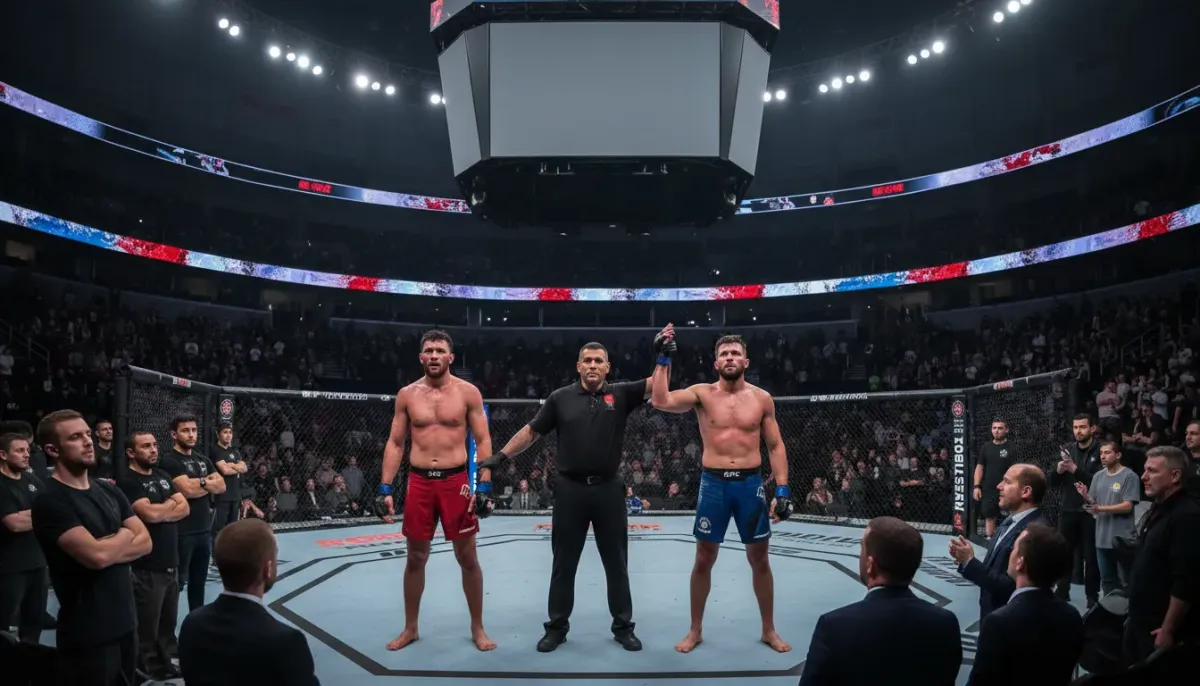
The highly anticipated rematch between two elite strikers at UFC 326 generated significant attention before the event, but the outcome sparked widespread criticism from both fans and established fighters. The main event result left the MMA community divided over what makes a championship-level bout truly compelling. When dominant technical performances clash with entertainment expectations, questions arise about how elite athletes should approach their craft.
The Setup – A Long-Awaited Rematch Finally Happens
More than a decade had passed since Charles Oliveira and Max Holloway first faced each other, making their eventual rematch a significant moment for MMA enthusiasts. The UFC 326 main event carried substantial weight, with both fighters standing among the sport's most accomplished competitors. Holloway, known for his striking prowess and relentless pace, squared off against Oliveira, a fighter renowned for his submission skills and technical grappling credentials.
The context surrounding this clash extended beyond a simple rematch. The BMF Championship, a belt specifically created to honor fighters who embody the spirit of combat entertainment, was prominently featured. Fans anticipated witnessing an all-time classic showdown between two Hall of Fame candidates. Pre-fight hype suggested the bout would deliver the kind of back-and-forth action that defines memorable championship fights. The stage was set for an unforgettable evening of combat sports drama.
However, the reality of what unfolded inside the octagon would prove dramatically different from these expectations. The technical skill sets these fighters possessed would create an entirely unexpected narrative for the event.
What Actually Happened Inside the Octagon
Oliveira showcased absolute command of the grappling exchanges throughout the five-round main event. From the opening bell, the Brazilian fighter established dominance on the canvas, implementing his legendary jiu-jitsu expertise with precision and control. Holloway found himself repeatedly taken down and pinned in difficult positions, unable to mount any significant offensive or defensive resistance against such superior grappling prowess.
The fight quickly became a one-sided technical demonstration. Oliveira controlled the pace and positioning, landing ground strikes while maintaining dominant positioning throughout extended sequences. Holloway, despite his reputation as one of the sport's most durable and competitive warriors, simply lacked the defensive wrestling tools necessary to neutralize his opponent's superior grappling arsenal. Round after round followed a similar pattern, with minimal competitive exchanges or momentum shifts.
The final decision proved unanimous, with judges scoring every round decisively in Oliveira's favor. Yet despite the technical mastery on display, spectators witnessed far less of the exciting spectacle they had anticipated. The bout represented elite technical proficiency rendered in a manner that left fans feeling unsatisfied with the overall viewing experience.
The Social Media Backlash: Fighters Speak Out
Nate Diaz's Blunt Criticism
Nate Diaz, the fighter whose aggressive style and willingness to engage directly inspired the creation of the BMF Championship in 2019, expressed his displeasure directly. Through social media posts, Diaz offered scathing commentary on both competitors' approach to the main event. His criticism carried particular weight given his foundational role in establishing the very championship both fighters were competing for that evening.
Diaz emphasized that the fighters had failed to represent the belt's core principles—celebrating competitors who prioritize fan engagement and entertaining fights. His perspective highlighted an ironic contradiction: fighters competing for a championship named after his philosophy and legacy were, in his view, contradicting everything that belt should represent. The message resonated across the MMA community, validating the broader audience sentiment.
Conor McGregor Joins the Chorus
Conor McGregor, himself no stranger to championship-caliber competition, added his assessment to the growing chorus of criticism. McGregor characterized the bout as a "shockingly bad fight" from an entertainment perspective, emphasizing that Oliveira bore responsibility for the performance quality. His commentary suggested that fighters at the elite level possess not only technical responsibility but also an implicit obligation to entertain the audiences supporting their sport.
McGregor's participation in the criticism amplified the message that top-tier combat athletes are expected to balance technical excellence with spectator engagement. When major figures in the sport publicly question a main event's quality, it signals significant disconnect between performer intent and audience expectations.
Broader Fighter Community Reaction
Beyond these prominent voices, the wider professional MMA community voiced disappointment through various channels. The consensus revealed a fundamental tension within modern combat sports: elite technical mastery can exist entirely independent from entertainment value. Fighters and analysts alike discussed how this gap between technical dominance and fan satisfaction reflects evolving attitudes about championship-level competition.
The Grappling Paradox in Modern MMA
Dominant wrestling and submission expertise create an inherent paradox in mixed martial arts. When one competitor possesses vastly superior grappling skills, the resulting fight often becomes a technical demonstration rather than a competitive exchange. The more skilled grappler controls every variable—positioning, tempo, intensity, and outcome. For fans seeking back-and-forth action, such matchups can feel one-dimensional despite representing the pinnacle of technical mastery.
Holloway's fundamental defensive wrestling limitations became painfully apparent when facing elite-level jiu-jitsu. Without competitive grappling fundamentals, he possessed no tools to create scrambles, escape positions, or initiate counter-attacks. Other fighters have managed to maintain audience interest while using similar dominant grappling, typically by incorporating striking sequences, submission attempts, or positioning transitions that create multiple competitive moments. The absence of these elements contributed to widespread perception of the bout as disappointing.
What This Loss Means for Holloway
The decisive defeat carries significant career implications for Holloway. At this stage of his career, with Hall of Fame credentials already firmly established, losses against legendary competitors create questions about evolution and adaptation. The loss raises important considerations about Holloway's training approach and whether his fighting style remains optimally suited for championship-level competition against certain opponent profiles.
Future promotional decisions regarding Holloway's next opponent and division placement may shift based on this performance. The loss demonstrated specific defensive vulnerabilities that competitors can exploit, potentially influencing how fighters with similar skill sets approach matchmaking and preparation for future bouts against elite grappling specialists.
The BMF Championship's Identity Crisis
The BMF Championship was conceived with a specific philosophical foundation—celebrating fighters willing to engage in entertaining, fan-friendly competition. The belt represented an alternative perspective on what championship honors should prioritize, emphasizing excitement and aggression over purely technical achievements or statistical dominance. Yet the UFC 326 main event created an awkward contradiction with these founding principles.
Oliveira vs. Holloway 2 showcased technical excellence divorced from entertainment value, fundamentally at odds with the belt's original spirit. This disconnect raises important questions about future title matchmaking decisions and how promotional strategists balance technical merit against the BMF Championship's distinctive identity as a celebration of exciting, crowd-pleasing combat sports entertainment.